


Christians and Bogomils in the Balkans: Resilience in Bachkovo
Translated from Polish, summarized and contextualized by DistantNews.
At a glance
In-depth
Sources not specified
Context piece
- The article explores the resilience of Christian tradition and identity in Bulgaria, despite centuries of Turkish rule.
- It highlights the village of Bachkovo in the Rhodope Mountains and its historic monastery, founded in the 11th century by Georgian monks.
- The Bachkovo Monastery served as a bastion of Christianity within the Ottoman Empire, preserving religious texts and traditions.
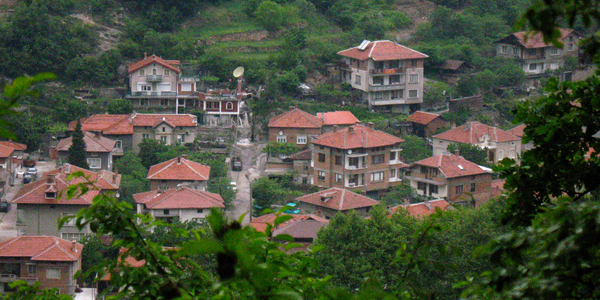
Nestled in the Rhodope Mountains, the small village of Bachkovo presents a picturesque scene with red-tiled roofs amidst lush greenery, fig trees, and walnut saplings. The village, home to about 300 people, is characterized by stone paths and a pervasive, sweet aroma of figs, even before the fruit ripens.
Above the village, rugged peaks pierce the Mediterranean greenery, reaching towards the sky. Ancient stairs lead down to a significant treasure: the Bachkovo Monastery. This, Bulgaria's second most important monastery, traces its origins to the 11th century. It was founded by Georgian monks during the Byzantine era and houses a library with ancient religious books, supplemented over centuries with Greek and Slavic texts.
The monastery endured through Byzantine times and later came under the protection of Bulgarian tsars. It became a crucial stronghold of Christianity during the Ottoman Empire's expansion, particularly after the fall of the Second Bulgarian Empire in the late 14th century. The article suggests that five centuries of Turkish colonization did not extinguish the Christian traditions and identity of the region's inhabitants, posing the question of how this resilience was maintained.
DistantNews Editorial
Originally published by Rzeczpospolita in Polish. Translated, summarized, and contextualized by our editorial team with added local perspective. Read our editorial standards.
More Stories


From Our Blog

What Gets Lost (and Found) When News Is Translated

The Critical Role of Diaspora Media in Global News

What Travellers Should Know About Countries with Restricted Press

A Digital Nomad's Guide to Following Local News

How the Same Story Looks Different in Different Countries
