


Cinema and Medicine Illuminate Tourette Syndrome
Translated from Greek, summarized and contextualized by DistantNews.
TLDR
- A groundbreaking surgery in Barcelona has offered new hope for individuals with Tourette Syndrome, a neurological disorder characterized by involuntary tics.
- The film "Incontrolable" is also bringing attention to the condition, breaking down social stigma through artistic expression.
- Doctors at Sant Pau Hospital successfully implanted electrodes in a 21-year-old patient, significantly improving his quality of life and allowing him to pursue education and travel.
Tourette Syndrome, a condition often misunderstood and stigmatized, is finally receiving the attention it deserves, thanks to a powerful confluence of medical innovation and artistic sensitivity. The recent advancements in neurosurgery, exemplified by a pioneering operation in Barcelona, coupled with the resonance of the film "Incontrolable," are bringing this complex neurological disorder into the spotlight and offering tangible hope to those affected.
The condition, which usually appears before the age of 18, is brought to light through the award-winning film "Incontrolable", while medical science offers new hope through neurosurgery.
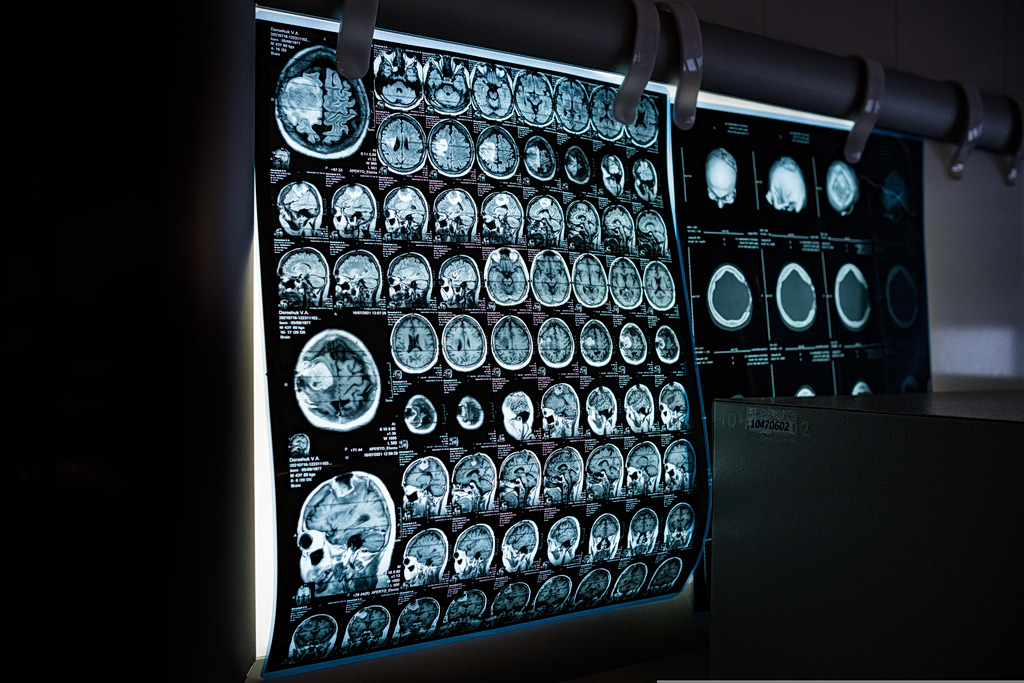
At the heart of this progress is the case of Josep, a 21-year-old who endured years of social isolation due to severe vocal and motor tics, including coprolalia (involuntary swearing) and klazomania (uncontrollable shouting). His life has been transformed by a surgical procedure at Barcelona's Sant Pau Hospital, where neurologists implanted electrodes in his brain. This deep brain stimulation therapy has not only helped control his tics but has also enabled him to resume his studies and travel, reclaiming a normal life free from the burden of stigma.
Complementing these medical breakthroughs, the film "Incontrolable" is playing a crucial role in public awareness. Inspired by the true story of Scottish activist John Davidson, the movie has garnered critical acclaim, including three BAFTA awards. Actor Robert Aramayo's portrayal of the protagonist involved deep engagement with individuals living with Tourette Syndrome, highlighting the diverse and unique manifestations of the condition. By depicting the "uncontrollable" nature of tics as a biological reality rather than a choice, the film aims to foster greater public understanding and empathy.
The surgery, which aimed at both motor control and the behavioral sphere, allowed Josep to study and travel today, enjoying a normal life without the burden of stigma.
From a Greek perspective, this dual approach—medical intervention and cultural representation—is vital. While Western media might focus on the sensational aspects of tics, Greek coverage, as seen in publications like Ta Nea, emphasizes the human element and the potential for recovery and integration. The story of Josep and the impact of "Incontrolable" demonstrate that with appropriate support and understanding, individuals with Tourette Syndrome can lead fulfilling lives. The medical advancements, particularly in a European context, showcase a commitment to improving patient outcomes and reducing the social barriers faced by those with neurological conditions. This narrative is not just about a disorder; it's about resilience, scientific progress, and the power of empathy in overcoming challenges.
The film highlights the "unpredictable" nature of the condition, making the general public understand that tics are not a choice, but a biological reality.
DistantNews Editorial
Originally published by Ta Nea in Greek. Translated, summarized, and contextualized by our editorial team with added local perspective. Read our editorial standards.
More Stories



From Our Blog

What Gets Lost (and Found) When News Is Translated

The Critical Role of Diaspora Media in Global News

What Travellers Should Know About Countries with Restricted Press

A Digital Nomad's Guide to Following Local News

How the Same Story Looks Different in Different Countries
