


Civil Society Urges Consultation on New NPO Law
Translated from English, summarized and contextualized by DistantNews.
TLDR
- Civil society leaders in Jamaica are demanding broad consultation on a new Non-Profit Organisations (NPO) Act, expected in October 2026.
- They warn that without inclusive engagement, the law could undermine the organizations it aims to regulate.
- Concerns include the current dual registration system, lengthy timelines, and the application of international anti-money laundering requirements, which stakeholders argue are burdensome and inefficient.
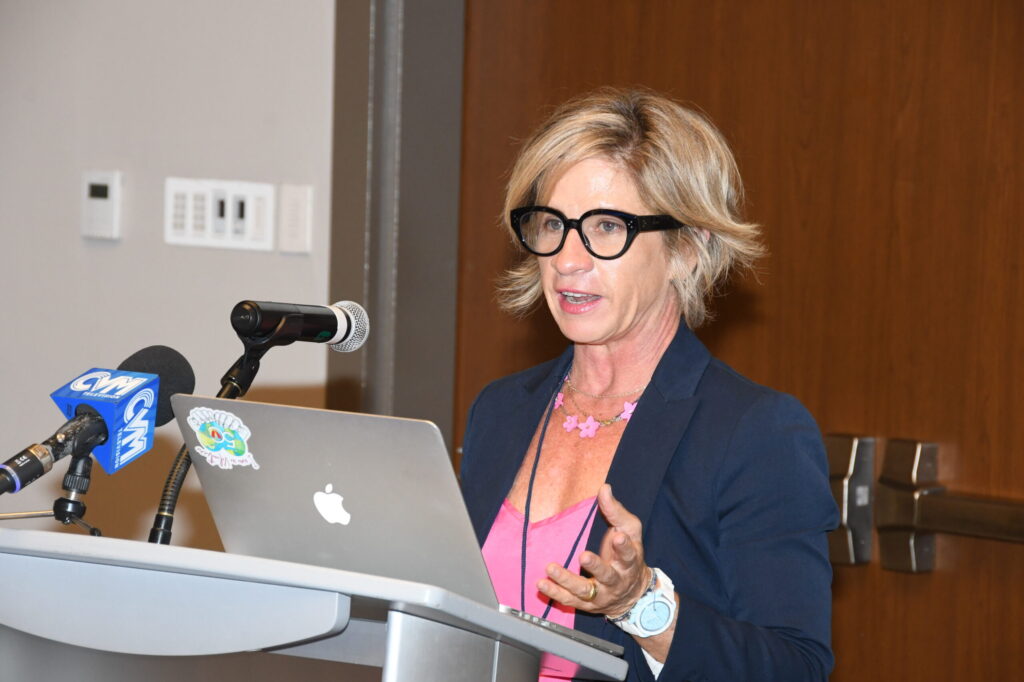
In Jamaica, the impending introduction of a new Non-Profit Organisations (NPO) Act, slated for October 2026, has galvanized civil society leaders who are vociferously calling for comprehensive and meaningful consultation. As reported by the Jamaica Observer, these leaders, including Nancy Pinchas of the Council of Voluntary Social Services (CVSS) and Joy Crawford of EVE for Life, emphasize that 'consultation is not optional, it is essential.' Their argument is rooted in the belief that effective legislation must mirror the on-the-ground realities faced by the thousands of organizations delivering vital services across the island, from disaster response to education and community resilience.
Nonprofits are closest to the communities these laws will affect. Consultation is not optional, it is essential.
The concerns extend beyond mere procedural requests. Stakeholders are flagging potential pitfalls within the proposed legislation, particularly regarding the existing regulatory framework. Tania Chambers, a legal consultant for the CVSS, highlights the inefficiencies of the current dual registration system, where organizations must register both as legal entities and charities. This duplication, she argues, leads to delays and operational inefficiencies, hindering the very organizations that are crucial for national development. The prolonged registration and renewal timelines are not just administrative hurdles; they directly impede access to funding, tax exemptions, and timely program delivery – issues that disproportionately affect smaller, community-based groups.
Effective legislation must reflect the operational realities of organisations working on the ground every day.
Furthermore, the application of international anti-money laundering and counter-terrorism financing (AML/CFT) requirements is a point of contention. While acknowledging the importance of these global standards, stakeholders like Chambers are concerned that without a proportionate, risk-based approach, these measures could inadvertently over-regulate legitimate actors. This risks diverting precious resources away from essential service delivery and community support, a critical concern for organizations operating on tight budgets. The Jamaica Observer's reporting underscores the delicate balance the government must strike: safeguarding the sector's integrity while ensuring it can continue its indispensable work without undue burden.
Meaningful participation strengthens accountability, builds trust and leads to more equitable and effective outcomes.
From a Jamaican perspective, this is not just about bureaucratic reform; it's about ensuring that the backbone of our social fabric – our non-profit sector – can thrive. The international community often focuses on economic indicators, but here, the work of these organizations is fundamental to social cohesion, poverty reduction, and overall national well-being. The CVSS's estimate that donations exceeded $40 billion in 2021 underscores the sector's significant economic contribution, a fact that must be recognized and supported by sensible, enabling legislation. The call for consultation is a call for a partnership, ensuring that the new NPO Act empowers, rather than encumbers, those who are most dedicated to serving Jamaica.
Prolonged registration and renewal timelines are not merely administrative hurdles; they directly undermine organisations’ ability to access funding, secure tax exemptions and deliver programmes in a timely manner.
DistantNews Editorial
Originally published by Jamaica Observer in English. Translated, summarized, and contextualized by our editorial team with added local perspective. Read our editorial standards.
More Stories


From Our Blog

What Gets Lost (and Found) When News Is Translated

The Critical Role of Diaspora Media in Global News

What Travellers Should Know About Countries with Restricted Press

A Digital Nomad's Guide to Following Local News

How the Same Story Looks Different in Different Countries
