


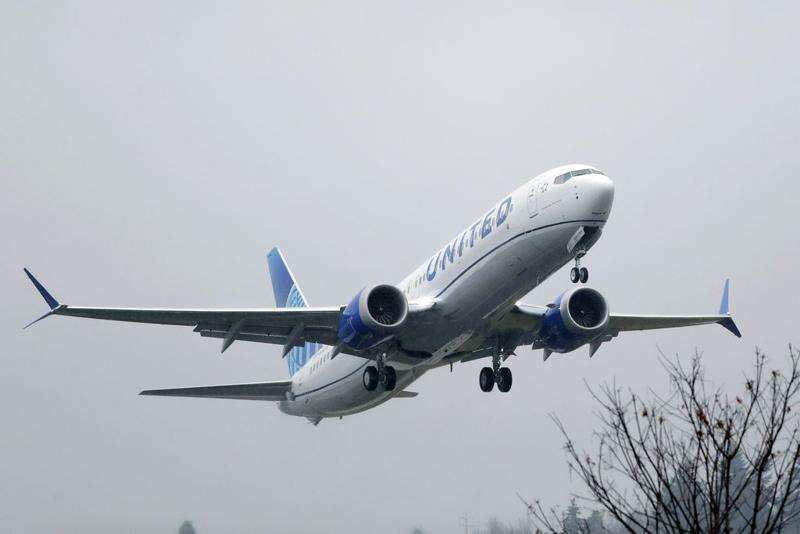
United Airlines hikes fares 15-20% amid jet fuel surge
Translated from English, summarized and contextualized by DistantNews.
TLDR
- United Airlines is increasing fares by 15-20% to counteract rising jet fuel costs driven by the Middle East conflict.
- The airline also plans to reduce its flying capacity by 5% in 2026 to recover these added expenses.
- While fuel prices are volatile, United assumes they will remain elevated, and the airline is monitoring customer demand for potential further flight cutbacks.
United Airlines is taking decisive action to shield its profits from the sharp increase in jet fuel prices, announcing broad-based fare hikes of 15 to 20 percent. This move comes as the airline seeks to fully offset the financial impact of the surge in fuel costs, which have been exacerbated by the ongoing conflict in the Middle East. The decision reflects a strategic effort to maintain financial stability in an increasingly volatile market.
fuel may remain higher for longer
In addition to raising ticket prices, United has also opted to trim its flying capacity by five percent in 2026. This dual approach aims to ensure that the airline can recover 100 percent of the additional costs incurred due to the elevated price of jet fuel. Chief Executive Scott Kirby acknowledged the unpredictable nature of oil prices but stated the company's strategy is predicated on the assumption that fuel costs will likely remain high for an extended period.
While United has not yet observed a significant drop in customer bookings due to the higher fares, the airline remains vigilant. Kirby indicated that further reductions in flight schedules might be implemented in 2027 if demand begins to wane. This cautious outlook underscores the airline's commitment to adapting its operations based on market conditions and customer behavior.
We don’t see a lack of availability being an issue at all in the US. It’s a price issue.
Despite reporting higher profits in the first quarter, United revised its full-year profit forecast downward, citing the escalating jet fuel expenses. The airline anticipates average fuel prices to reach US$4.30 per gallon in the second quarter, a substantial 55 percent increase from the first quarter average. This situation is not unique to United, as other carriers are also implementing fare increases and capacity reductions in response to the oil price spike. The International Air Transport Association has urged authorities to prepare contingency plans for potential jet fuel rationing, although United's CFO noted that fuel availability is less of a concern in the US compared to Asia and Europe, where price, rather than scarcity, remains the primary issue.
However, even in Europe and Asia, as we sit here today, we think it’s a price issue not an availability issue.
DistantNews Editorial
Originally published by Jamaica Observer in English. Translated, summarized, and contextualized by our editorial team with added local perspective. Read our editorial standards.
More Stories

From Our Blog

What Gets Lost (and Found) When News Is Translated

The Critical Role of Diaspora Media in Global News

What Travellers Should Know About Countries with Restricted Press

A Digital Nomad's Guide to Following Local News

How the Same Story Looks Different in Different Countries
