

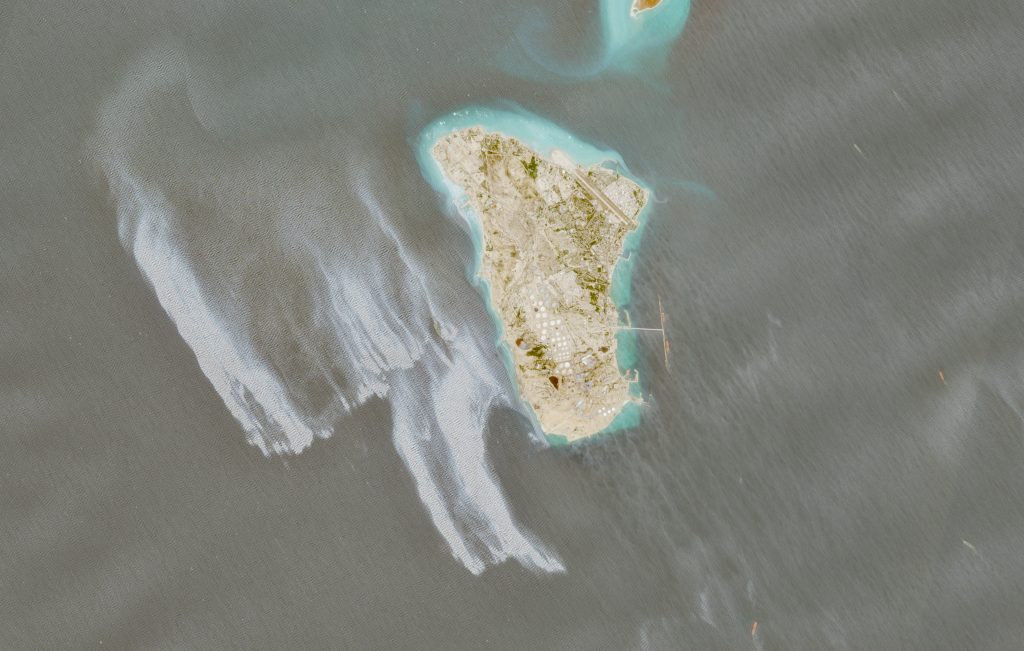

Climate crisis and energy: War 'feeds' malnutrition
Translated from Greek, summarized and contextualized by DistantNews.
TLDR
- War, economic shocks, and extreme weather are the primary drivers of acute food insecurity globally, displacing populations.
- In 2025, conflicts affected 147.4 million people in 19 countries, while extreme weather impacted 87.5 million in 16 countries.
- Europe faces challenges with electricity grid congestion as renewable energy production outpaces management capacity, particularly in Greece.
The confluence of escalating conflicts, economic instability, and the intensifying climate crisis has created a perfect storm for global food insecurity, pushing millions into precarious situations. This research underscores a deeply concerning trend: the reversal of progress made in combating hunger over the past decade, particularly in Africa, where nearly one in three people in Central Africa and one in five across the continent suffer from malnutrition.
The analysis highlights that in 2025, armed conflicts were the predominant cause of acute food insecurity in 19 countries, affecting a staggering 147.4 million individuals. Simultaneously, extreme weather events impacted 87.5 million people across 16 nations, while economic downturns added to the crisis for 29.8 million in 12 countries. This interconnectedness of crises means that populations displaced by conflict are often further vulnerable to climate shocks and economic hardship, creating cyclical patterns of deprivation.
Beyond the immediate humanitarian crisis, the article points to significant challenges in the energy sector, particularly concerning the transition to renewable energy. Several European countries, including Greece, are grappling with electricity grid congestion as the output from solar and wind power frequently exceeds the capacity to manage and distribute it. This infrastructural deficit, where network upgrades lag behind the deployment of renewable energy projects, raises serious questions about the feasibility and timeline of achieving 2030 renewable energy targets.
From a Greek perspective, this dual crisis of food insecurity and energy transition challenges is particularly acute. Greece, despite its potential for renewable energy, faces significant network limitations, as noted in the analysis. This situation not only hinders the country's progress towards climate goals but also exacerbates economic vulnerabilities. The research, originating from academic institutions, provides a critical, data-driven perspective on these global and regional challenges, emphasizing the urgent need for coordinated action to address both humanitarian needs and the structural issues hindering sustainable development.
DistantNews Editorial
Originally published by Kathimerini in Greek. Translated, summarized, and contextualized by our editorial team with added local perspective. Read our editorial standards.
More Stories

From Our Blog

What Gets Lost (and Found) When News Is Translated

The Critical Role of Diaspora Media in Global News

What Travellers Should Know About Countries with Restricted Press

A Digital Nomad's Guide to Following Local News

How the Same Story Looks Different in Different Countries
