


Cocaine in Waters Makes Salmon More Active, Poses Risks, New Study Finds
Translated from Greek, summarized and contextualized by DistantNews.
TLDR
- New research indicates that traces of cocaine in rivers and lakes accumulate in salmon brains, affecting their behavior and raising concerns for fish populations.
- Young Atlantic salmon exposed to cocaine showed increased activity, covering greater distances and dispersing more widely in a lake, suggesting pollutants can alter fish movement and predator vulnerability.
- Scientists warn that pharmaceutical pollution is a growing risk to biodiversity, urging pharmaceutical companies to develop greener drugs that degrade more easily in the environment.
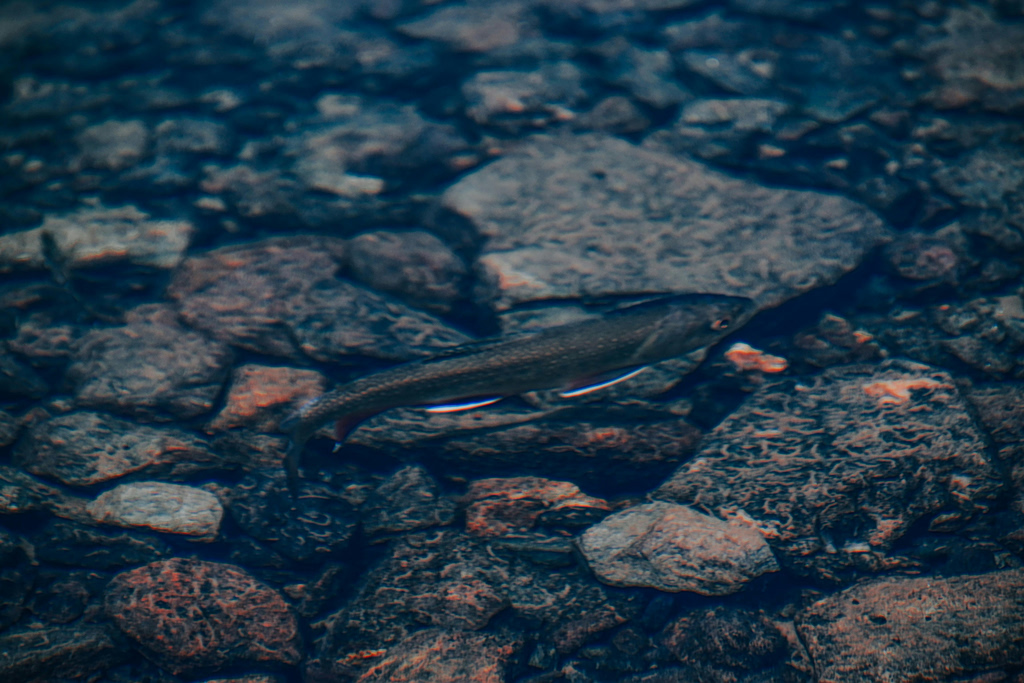
A recent study published in the journal 'Ta Nea' sheds light on the alarming effects of cocaine pollution on salmon populations in Swedish lakes. Researchers from the Swedish University of Agricultural Sciences found that even trace amounts of cocaine can significantly alter the behavior of young Atlantic salmon. The fish exposed to the substance exhibited increased mobility, venturing further and spreading out across larger areas of the lake. This heightened activity, while seemingly a sign of increased energy, could lead to greater exposure to predators and a higher risk of mortality.
Dr. Jack Brandt, a researcher involved in the study, expressed concern over the unknown consequences of such pollution. He noted that while the fish might become more active, this could come at a cost, potentially leading them to expend more energy or increase their vulnerability to predators. The study highlights a broader environmental issue: the growing threat of pharmaceutical pollution to aquatic ecosystems. Previous reports have documented similar effects of other drugs on fish, such as trout becoming 'addicted' to methamphetamine and perch losing their fear of predators due to antidepressants.
To a large extent, we don't know the consequences, but I expect there will be trade-offs.
The research, conducted in Lake Vättern, Sweden's second-largest lake, involved implanting young Atlantic salmon with devices that released realistic levels of cocaine or its metabolite. The movements of these fish were tracked for two months. The findings underscore the urgent need for greater awareness and action regarding pharmaceutical waste entering our waterways. As Swedish scientists continue to investigate these impacts, the study serves as a stark reminder of how human activities can have unforeseen and detrimental consequences on wildlife, even at the molecular level.
They may end up in a worse condition or have to compensate by searching for much more food, which means they will spend more time exposed.
DistantNews Editorial
Originally published by Ta Nea in Greek. Translated, summarized, and contextualized by our editorial team with added local perspective. Read our editorial standards.
More Stories



From Our Blog

What Gets Lost (and Found) When News Is Translated

The Critical Role of Diaspora Media in Global News

What Travellers Should Know About Countries with Restricted Press

A Digital Nomad's Guide to Following Local News

How the Same Story Looks Different in Different Countries
