


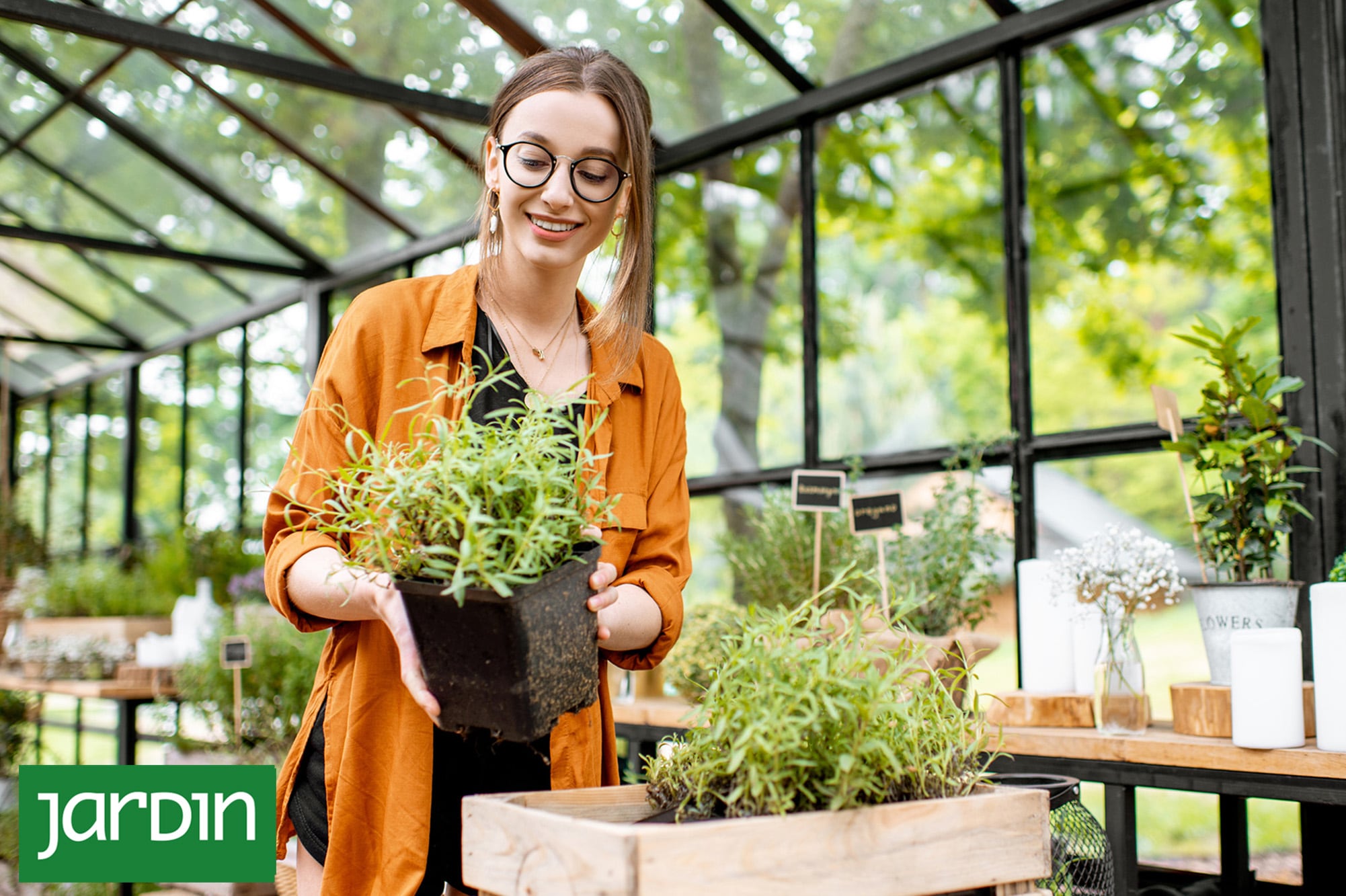
Cold snap: How to protect your aromatics from the first frosts
Translated from Spanish, summarized and contextualized by DistantNews.
TLDR
- Early autumn frosts can damage aromatic plants when they are at their peak oil concentration and fragrance.
- Different plants have varying sensitivities to cold, with basil being particularly fragile and requiring indoor protection.
- Protecting aromatic plants involves methods like mulching, pruning, and bringing them indoors to preserve their quality and ensure they survive winter.
As autumn begins to paint the landscape, a critical moment arrives for our beloved aromatic plants. This is the time when they reach their zenith, concentrating essential oils and intensifying their perfumes, offering us their most potent essence. However, this peak coincides with a deceptive period – early autumn – where the garden may still feel like summer, but the climate is subtly turning against us.
Aunque las heladas intensas son propias del invierno, las primeras heladas pueden ocurrir desde marzo o abril, y antes en algunas regiones de altura
Early frosts, not the harsh winter kind but a sudden dip in temperature, can strike from March or April, even earlier in higher regions. Álvaro Lamas, an expert on aromatics, warns that this initial sharp drop catches plants at their most vulnerable, impacting not just their physical structure but crucially, their quality and aroma – their very reason for being.
Understanding the distinct responses of various aromatics to cold is key to effective care. Basil, for instance, is notoriously sensitive, unable to tolerate temperatures below 10°C. It must be brought indoors or harvested before the first frost. Stevia shares this fragility, requiring shelter in a greenhouse or indoors. In contrast, mint might lose its above-ground foliage after a frost but will regenerate from its roots, showing resilience.
La albahaca es la más sensible, no tolera temperaturas menores a 10° C. Es necesario llevarla adentro o recolectar todas las hojas antes del primer frío
Cedrón presents another case, where the focus shifts from preserving current foliage to preparing the plant for winter dormancy through pruning and ground cover. The impact of frost extends beyond visible damage; it diminishes the concentration of essential oils, leading to a less intense aroma and reduced quality. Therefore, early autumn is the prime time for harvesting and preserving these precious plants, ensuring their fragrant legacy continues.
puede perder la parte aérea, pero rebrota desde la raíz
DistantNews Editorial
Originally published by La Nación in Spanish. Translated, summarized, and contextualized by our editorial team with added local perspective. Read our editorial standards.
More Stories



From Our Blog

What Gets Lost (and Found) When News Is Translated

The Critical Role of Diaspora Media in Global News

What Travellers Should Know About Countries with Restricted Press

A Digital Nomad's Guide to Following Local News

How the Same Story Looks Different in Different Countries
