


Colombia Pursues Energy Transition, Leveraging Wind Power and Eyeing Green Hydrogen Exports
Translated from German, summarized and contextualized by DistantNews.
TLDR
- Colombia is transitioning away from fossil fuels, with a focus on renewable energy sources like wind power in the La Guajira region.
- The country aims to produce green hydrogen for export, particularly to Germany, in partnership with German companies.
- This shift is part of a broader energy transition strategy, leveraging the region's favorable conditions for wind energy generation.
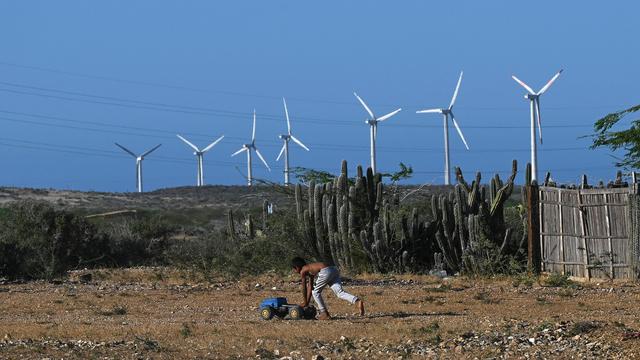
In the sun-drenched La Guajira region and along Colombia's Caribbean coast, the nation's energy transition is visibly taking shape. This area, blessed with intense sunshine and strong winds, is a prime location for renewable energy development. For over two decades, wind power has been generated here, with the initial 15 wind turbines imported from Germany. Now, Colombia is looking to the future, aiming to become a producer of green hydrogen, with Germany identified as a key export market and partner in this ambitious venture. This strategic pivot away from fossil fuels, while promising, is not without its challenges, as the country begins to feel the side effects of this significant shift.
The focus on La Guajira is strategic. The region's natural advantages for wind power are undeniable, and the planned production of green hydrogen signifies Colombia's commitment to embracing cutting-edge sustainable technologies. The collaboration with German partners underscores an international dimension to this transition, positioning Colombia as a player in the global green energy market. This move is not just about environmental responsibility; it's about economic diversification and securing a sustainable energy future for the nation. The potential for export revenue from green hydrogen could significantly boost the Colombian economy, offering an alternative to traditional fossil fuel exports.
However, the article hints at 'side effects' as Colombia begins its 'withdrawal' from fossil energy. This transition, while necessary and forward-looking, will undoubtedly impact existing industries and communities reliant on fossil fuels. Managing this transition equitably and effectively will be crucial. The development of renewable energy infrastructure, like wind farms and hydrogen production facilities, requires significant investment and careful planning to ensure it benefits the nation as a whole. For Colombia, this is a complex balancing act: harnessing its natural resources for a sustainable future while mitigating the economic and social disruptions that accompany such a profound energy transformation. The success of this venture will depend on robust policy, international cooperation, and a clear vision for a post-fossil fuel era.
DistantNews Editorial
Originally published by Die Zeit in German. Translated, summarized, and contextualized by our editorial team with added local perspective. Read our editorial standards.
More Stories



From Our Blog

What Gets Lost (and Found) When News Is Translated

How the Same Story Looks Different in Different Countries

The Critical Role of Diaspora Media in Global News

What Travellers Should Know About Countries with Restricted Press

A Digital Nomad's Guide to Following Local News
