


Constitutional Amendment Bid Fails Again as Opposition Filibusters
Translated from Korean, summarized and contextualized by DistantNews.
TLDR
- A bid to amend the South Korean constitution for the first time in 39 years failed again after the main opposition People Power Party (PPP) announced a filibuster.
- National Assembly Speaker Woo Won-shik expressed deep regret, criticizing the PPP for rejecting an opportunity for constitutional reform that had broad consensus.
- The PPP cited the Speaker's unilateral scheduling of the session as the reason for their filibuster, while also accusing the ruling party of attempting to use the amendment for electoral gain.
South Korea's long-standing aspiration to amend its constitution has once again been thwarted, this time by the opposition's procedural tactics. The failure to even bring the proposed constitutional amendment to a vote, let alone pass it, marks a significant setback for those seeking to modernize the nation's foundational law after nearly four decades.
The People Power Party has not only kicked away the hard-won opportunity for constitutional reform but also, as a political party, kicked away the responsibility to fulfill promises made to the people.
National Assembly Speaker Woo Won-shik voiced his profound disappointment, directly accusing the People Power Party of 'kicking away' a rare opportunity for reform. His emotional reaction, visibly moved to tears, underscores the perceived importance of this moment and the frustration felt by proponents of the amendment, which included a broad coalition of parties and had reportedly garnered significant consensus on key issues.
The PPP, however, defended its actions, framing the filibuster as a necessary response to what they deemed a unilateral move by the Speaker. They questioned the ruling party's true intentions, suggesting the amendment process might have been rushed to gain an advantage in upcoming local elections, particularly by associating opponents with controversial historical events.
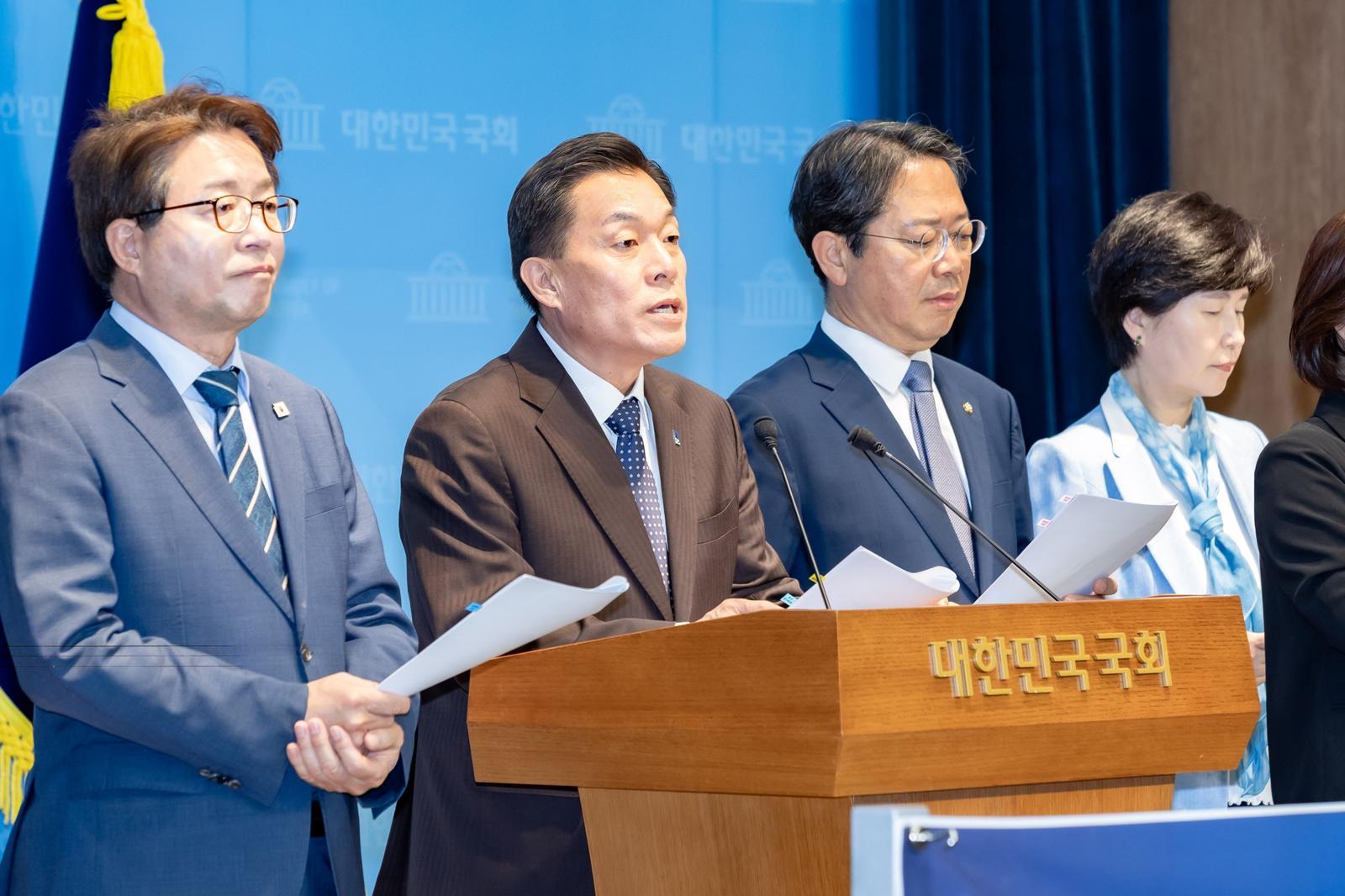
The Speaker unilaterally convened the plenary session without agreement between the negotiation bodies, so our party had no choice but to respond with a filibuster.
This deadlock highlights the deep partisan divisions that continue to plague South Korean politics. While the proposed amendment included provisions such as enshrining democratic movements and strengthening parliamentary oversight, the inability to find common ground means these potential changes will remain unrealized, leaving the 1987 constitution intact for the foreseeable future.
Is it that frightening to engrave the severance from the Dec. 3 rebellion into the constitution? We will definitely achieve constitutional amendment. We urge the People Power Party's cooperation.
DistantNews Editorial
Originally published by Hankyoreh in Korean. Translated, summarized, and contextualized by our editorial team with added local perspective. Read our editorial standards.
More Stories


From Our Blog

What Gets Lost (and Found) When News Is Translated

The Critical Role of Diaspora Media in Global News

What Travellers Should Know About Countries with Restricted Press

A Digital Nomad's Guide to Following Local News

How the Same Story Looks Different in Different Countries
