


Corruption in Indonesian Universities and Pesantren Threatens National Morale
Translated from Indonesian and summarized by DistantNews. Read the original for the full story.
At a glance
Analysis
Sources not specified
Under investigation
- Recent corruption cases at Indonesian universities, like Unsoed and Unila, highlight systemic issues beyond individual misconduct.
- The article argues that corruption in higher education undermines national integrity and disadvantages bright students from less affluent backgrounds.
- Similar concerns about abuse of power and misconduct are also raised regarding pesantren (Islamic boarding schools), emphasizing the need for stronger oversight.
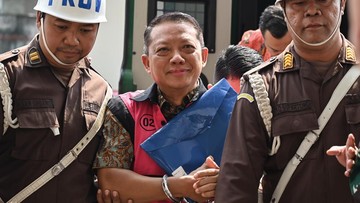
Indonesian universities, intended as bastions of integrity where knowledge is cultivated and future leaders are shaped, are increasingly becoming hotbeds for corruption. Recent events, such as the bribery and extortion case at Universitas Jenderal Soedirman (Unsoed) during new student admissions, and a similar scandal at Universitas Lampung (Unila) in 2022, underscore a disturbing trend.
These incidents, involving high-ranking officials, suggest that corruption is not merely the act of isolated individuals but may be facilitated by systemic weaknesses. Drawing on Klitgaard's theory, the article posits that corruption thrives where there is a combination of concentrated power, discretionary authority, and inadequate accountability. University rectors, deans, and academic officials wield significant influence over admissions, finances, and academic processes, creating opportunities for abuse if oversight is insufficient.
When educational opportunities become commodities, the system fails deserving students. Corruption in admissions means that capable students lacking financial means are overlooked in favor of those who can afford to pay, regardless of merit. This not only undermines the principle of meritocracy but also deprives the nation of its brightest minds.
The article extends this critique to pesantren, or Islamic boarding schools, which play a vital role in Indonesian education, imparting religious knowledge, discipline, and social values. Cases of alleged sexual violence and abuse of power within pesantren have deeply affected the community. In response, the Ministry of Religious Affairs has pushed for enhanced prevention, monitoring, and reporting mechanisms within these institutions, even revoking operational licenses in severe cases.
When educational opportunities become commodities, education becomes a commodity. Children with ability but no money are defeated by those with money even if their capacity is low.
About this summary
Originally published by Republika in Indonesian. Translated, summarized, and contextualized automatically by DistantNews, with a note on how the source frames the story. Not individually reviewed before publishing. How this works.
More Stories


From Our Blog

What Gets Lost (and Found) When News Is Translated

The Critical Role of Diaspora Media in Global News

What Travellers Should Know About Countries with Restricted Press

A Digital Nomad's Guide to Following Local News

How the Same Story Looks Different in Different Countries
