


Crime and punishment: Lahore traffic police accused of prioritizing fines over safety
Translated from English, summarized and contextualized by DistantNews.
At a glance
Opinion
Sources not specified
Context piece
- Traffic police in Lahore are reportedly prioritizing fining motorcyclists and commercial vehicles over managing traffic flow at intersections with malfunctioning lights.
- The article questions whether the primary duty of traffic police is revenue generation through fines or ensuring public safety via organized traffic management.
- This approach, focusing on punitive measures and quotas, is seen as a broader trend in Pakistani government departments, potentially leading to unintended long-term consequences.
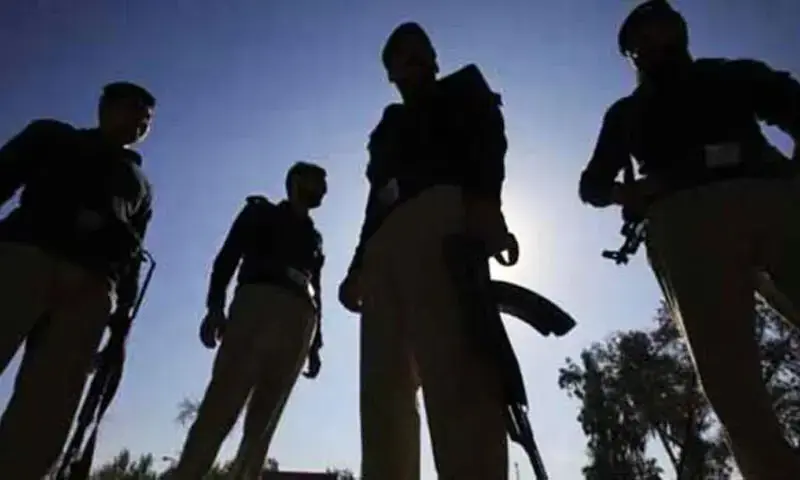
At a busy crossroads in Lahore, the traffic lights are out, yet traffic police officers stand by, seemingly uninterested in directing the chaotic flow. Instead, their focus appears to be solely on stopping and fining motorcyclists and drivers of commercial vehicles. This raises a critical question: is the primary responsibility of traffic police to ensure smooth traffic and public safety, or to generate revenue through fines?
Is ensuring a smooth traffic flow not part of traffic policemen’s responsibility? Is making money for the state (or themselves) their primary function, or is ensuring safety for all through implementing a rules-based traffic flow their primary duty?
The article suggests that traffic police are responding to incentives set by the state, which seem to prioritize meeting challan quotas over efficient and safe traffic management. This focus on punitive measures, rather than facilitating orderly movement, appears to be the prevailing message from the traffic department. The author questions whether this strategy will lead to better compliance or improved traffic flow in the long run, suggesting fines have become an end in themselves.
people respond to incentives
This punitive approach is not isolated to traffic management; it reflects a broader trend across various government departments in Pakistan. Officials seem to increasingly rely on severe measures to ensure compliance, creating a cycle where short-term adherence is prioritized over systemic improvements. The article warns that the consistent use of "the stick" may have unintended consequences.
Challans and fines were meant to help ensure safety and smooth traffic on the roads, but they seem to have become an end unto themselves!
For instance, increasing fines for speeding on motorways, when found ineffective, led to the registration of First Information Reports (FIRs) and even arrests. The author questions if these severe punishments, like FIRs that can entangle individuals in the legal system for years, fit the crime, especially for minor offenses like exceeding the speed limit. This is particularly concerning for young individuals, such as motorcyclists without proper documentation, who face ruined futures due to FIRs and arrests for relatively minor infractions.
The use of the stick over the long term will have some unintended consequences.
DistantNews Editorial
Originally published by Dawn in English. Translated, summarized, and contextualized by our editorial team with added local perspective. Read our editorial standards.
More Stories


From Our Blog

What Gets Lost (and Found) When News Is Translated

The Critical Role of Diaspora Media in Global News

What Travellers Should Know About Countries with Restricted Press

A Digital Nomad's Guide to Following Local News

How the Same Story Looks Different in Different Countries
