

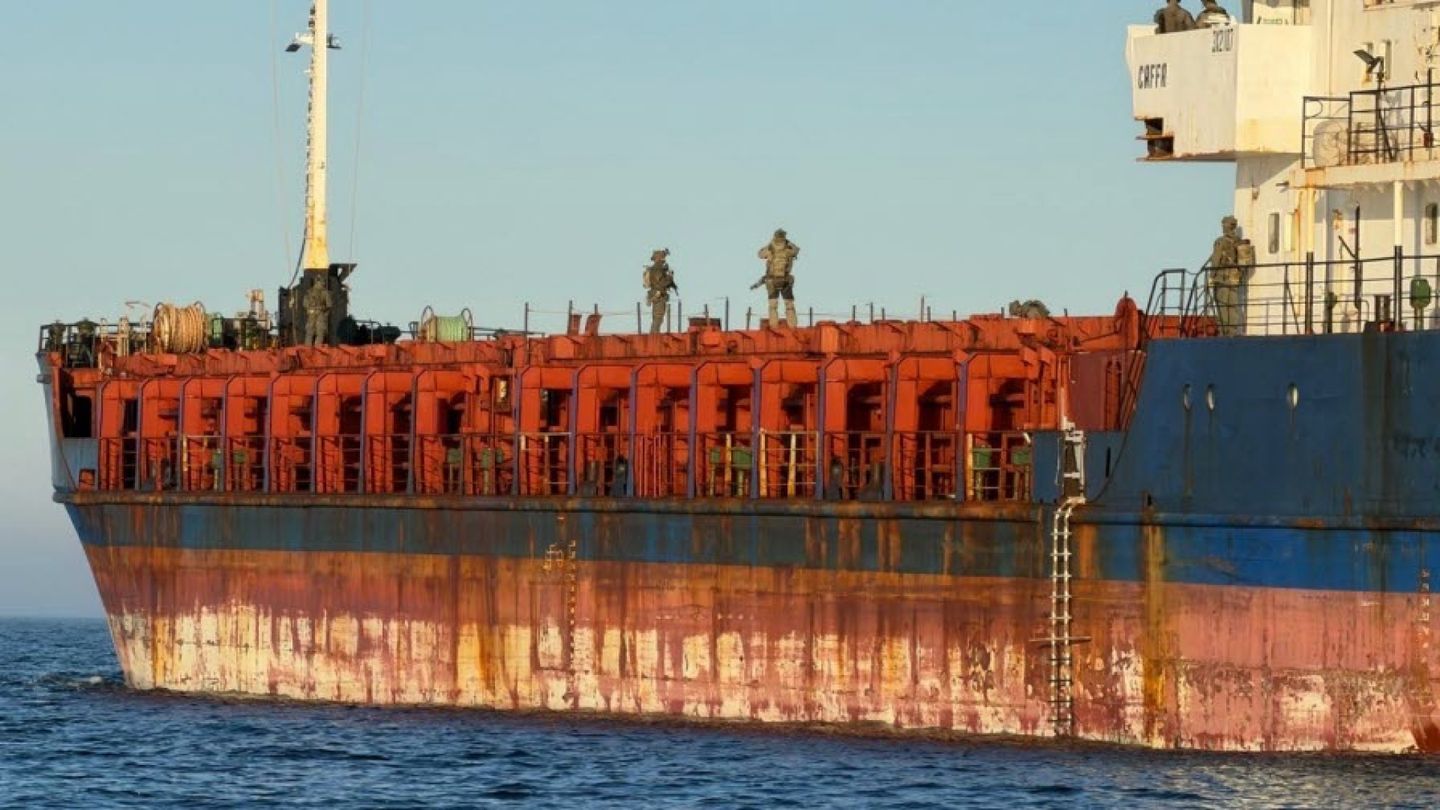

Crisis Preparedness Evolves: Open Discussion on War Becomes Routine
Translated from Finnish, summarized and contextualized by DistantNews.
TLDR
- Finland's crisis preparedness is evolving to address interconnected, rapidly spreading crises, moving beyond traditional responses.
- The focus is shifting from physical stockpiles to digital systems and data, recognizing new vulnerabilities in critical infrastructure and services.
- Geopolitical shifts, particularly concerning dependencies on Russia, China, and the US for energy, goods, and technology, are forcing a re-evaluation of national security and economic resilience.
Helsingin Sanomat's editorial board emphasizes a critical shift in Finland's approach to crisis preparedness. The traditional pride in a system where private companies ensure societal functions is now tempered by the stark realities of modern, interconnected crises. The lessons from Russia's energy leverage, China's supply chain disruptions during the pandemic, and now the United States' technological influence highlight a new era of vulnerability.
Our analysis underscores that while Finland has historically been adept at managing discrete disruptions, the current landscape demands a more sophisticated strategy. The focus has rightly moved from merely stockpiling essential goods to safeguarding critical digital infrastructure and data flows. This transition acknowledges that energy, logistics, and finance are now inextricably linked to digital systems, making them prime targets in any prolonged conflict or severe disruption.
The editorial board points out that the initial months of a crisis might be manageable due to existing business continuity plans. However, the true test lies in prolonged scenarios, exceeding six months, where stockpiles deplete and new production, repair, and distribution solutions become paramount. The increasing reliance on international digital services, particularly from US tech giants, presents a complex challenge. While these services offer efficiency, they also introduce dependencies that could be exploited, as demonstrated by past US political actions.
This evolving understanding of 'huoltovarmuus' (national security/resilience) is crucial for Finland. It's not just about physical security but also about digital sovereignty and resilience in the face of global power dynamics. The article serves as a vital call to action for Finnish businesses and policymakers to proactively assess their vulnerabilities in this new, complex environment, ensuring that Finland can navigate the challenges posed by state-level technological dependencies and potential geopolitical disruptions.
DistantNews Editorial
Originally published by Helsingin Sanomat in Finnish. Translated, summarized, and contextualized by our editorial team with added local perspective. Read our editorial standards.
More Stories

From Our Blog

What Gets Lost (and Found) When News Is Translated

The Critical Role of Diaspora Media in Global News

What Travellers Should Know About Countries with Restricted Press

A Digital Nomad's Guide to Following Local News

How the Same Story Looks Different in Different Countries
