


Danube hits historic low, revealing WWII wrecks amid drought
Translated from Romanian, summarized and contextualized by DistantNews.
At a glance
News
Sources not specified
Context piece
- The Danube River has reached historically low levels across Romania, Serbia, and Croatia due to severe drought and extreme temperatures.
- The receding waters have exposed World War II shipwrecks and blocked numerous vessels, disrupting river transport, fishing, and tourism.
- Serbia faces significant economic consequences, with fuel imports hampered and potential long-term damage to ecosystems.
The Danube River, a vital artery for Eastern Europe, has plummeted to historic lows across Romania, Serbia, and Croatia, triggering a cascade of problems. Severe drought and extreme heat have caused the river's water levels to drop dramatically, impacting multiple nations.
In Romania, Serbia, and Croatia, the river has receded hundreds of meters from its banks in some areas. This has left many boats stranded, making navigation nearly impossible. The situation is dire for river transport, fishing, and the tourism industry, which rely heavily on the Danube's navigability.
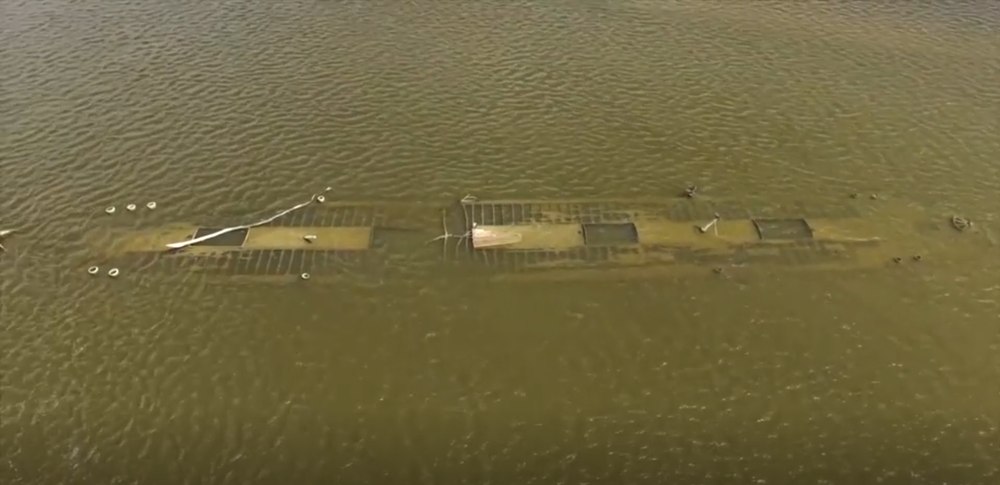
Beyond the immediate economic disruptions, the low water levels have unearthed historical relics. In eastern Serbia, the rusted hulks of German river vessels, sunk in 1944 during the Nazi retreat from the Red Army, have reappeared. Croatian authorities have also noted the re-emergence of a cargo ship that sank in 1937 and normally lies beneath the water's surface.
Serbia's Energy Minister, Dubravka Djedovic Handanovic, highlighted the severe economic toll, stating that fuel imports for July are only at 25% of planned levels because barges can only carry 30-40% of their usual capacity. Experts warn of potential long-term damage to river ecosystems, exacerbated by the low levels of the Tisa and Sava rivers as well. Specialists attribute the phenomenon to climate change, citing reduced rainfall and increased evaporation.
Due to the lack of precipitation and rising temperatures as a result of climate change, we have more evaporation and are recording extremely low water levels.
DistantNews Editorial
Originally published by Adevărul in Romanian. Translated, summarized, and contextualized by our editorial team with added local perspective. Read our editorial standards.
More Stories

From Our Blog

What Gets Lost (and Found) When News Is Translated

The Critical Role of Diaspora Media in Global News

What Travellers Should Know About Countries with Restricted Press

A Digital Nomad's Guide to Following Local News

How the Same Story Looks Different in Different Countries
