


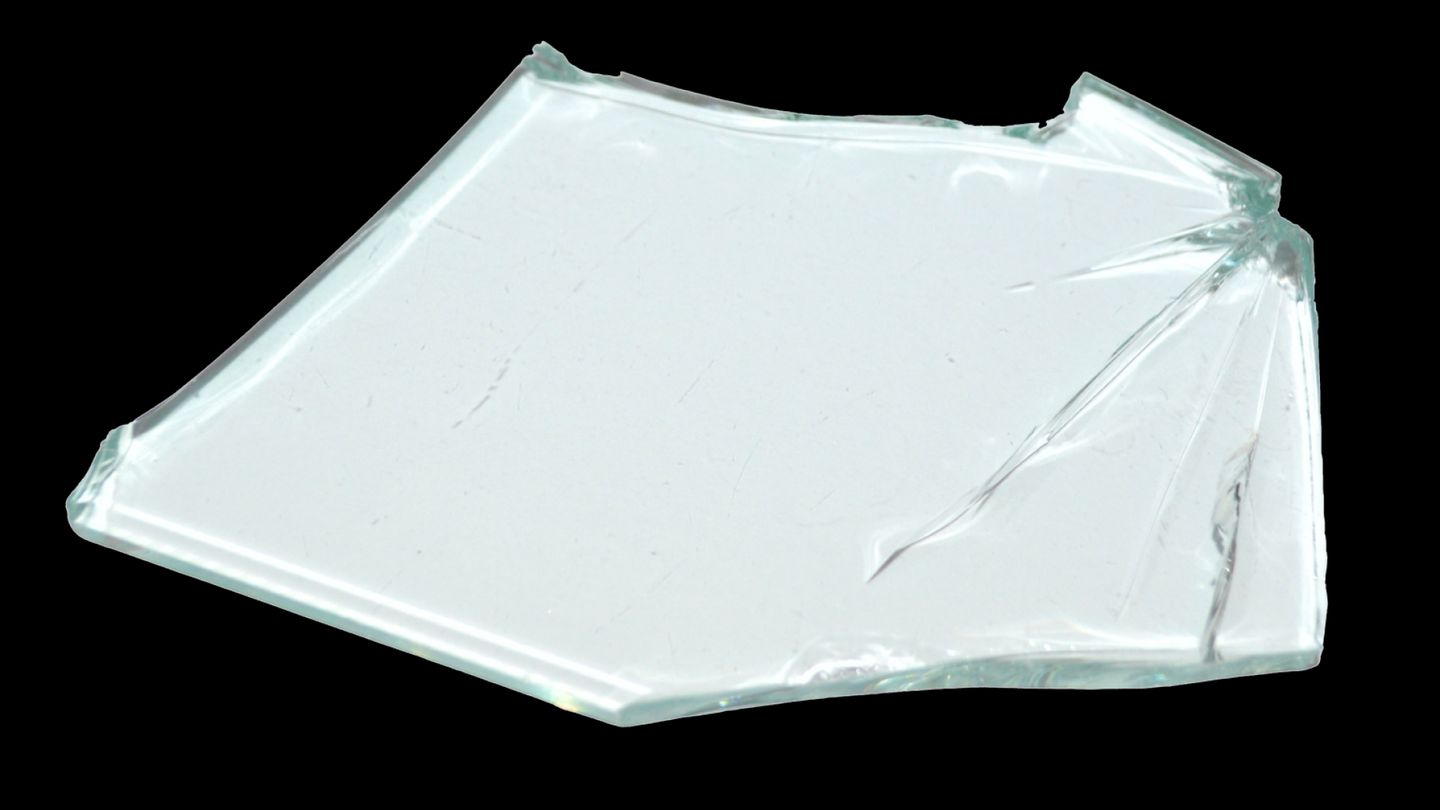
Data storage: USBs and hard drives fail, but data in glass endures
Translated from Finnish, summarized and contextualized by DistantNews.
TLDR
- Researchers are developing a new data storage method using glass, which is significantly more durable than current technologies like USB drives and hard drives.
- Data is written to the glass using lasers and read with light, offering a long-lasting and stable storage solution.
- While the technology is promising for preserving data over extended periods, the cost of the storage technology remains a factor.
In a world increasingly driven by data, the challenge of long-term storage has become paramount. Traditional methods like memory sticks, magnetic tapes, and hard drives have a limited lifespan, often degrading within a few years. This impermanence poses a significant risk to the preservation of valuable information, from personal memories to critical scientific research.
Finnish researchers are now at the forefront of a potential revolution in data storage, exploring the use of glass as a remarkably durable medium. This innovative approach involves encoding data into glass using lasers and then retrieving it with light. The inherent properties of glass—its resistance to heat, moisture, and magnetic fields—make it an ideal candidate for archiving information for centuries, if not millennia.
While the scientific breakthrough is significant, the practical application hinges on the development of cost-effective technology. The prospect of data surviving for such extended periods is tantalizing, but the expense associated with the laser-writing and light-reading mechanisms currently presents a barrier to widespread adoption. Nevertheless, this advancement offers a hopeful glimpse into a future where our digital legacy can be preserved with unprecedented permanence.
DistantNews Editorial
Originally published by Helsingin Sanomat in Finnish. Translated, summarized, and contextualized by our editorial team with added local perspective. Read our editorial standards.
More Stories



From Our Blog

What Gets Lost (and Found) When News Is Translated

The Critical Role of Diaspora Media in Global News

What Travellers Should Know About Countries with Restricted Press

A Digital Nomad's Guide to Following Local News

How the Same Story Looks Different in Different Countries
