

Denmark: Frederiksen fails to form government after weeks of talks
Translated from Finnish, summarized and contextualized by DistantNews.
TLDR
- Mette Frederiksen failed to form a new government in Denmark after weeks of negotiations following her party's poor election results.
- The mandate to form a government has now passed to Troels Lund Poulsen of the center-right Venstre party.
- The failure to form a government highlights the difficulties in bridging political divides in Denmark, with the centrist Moderates party playing a key role.
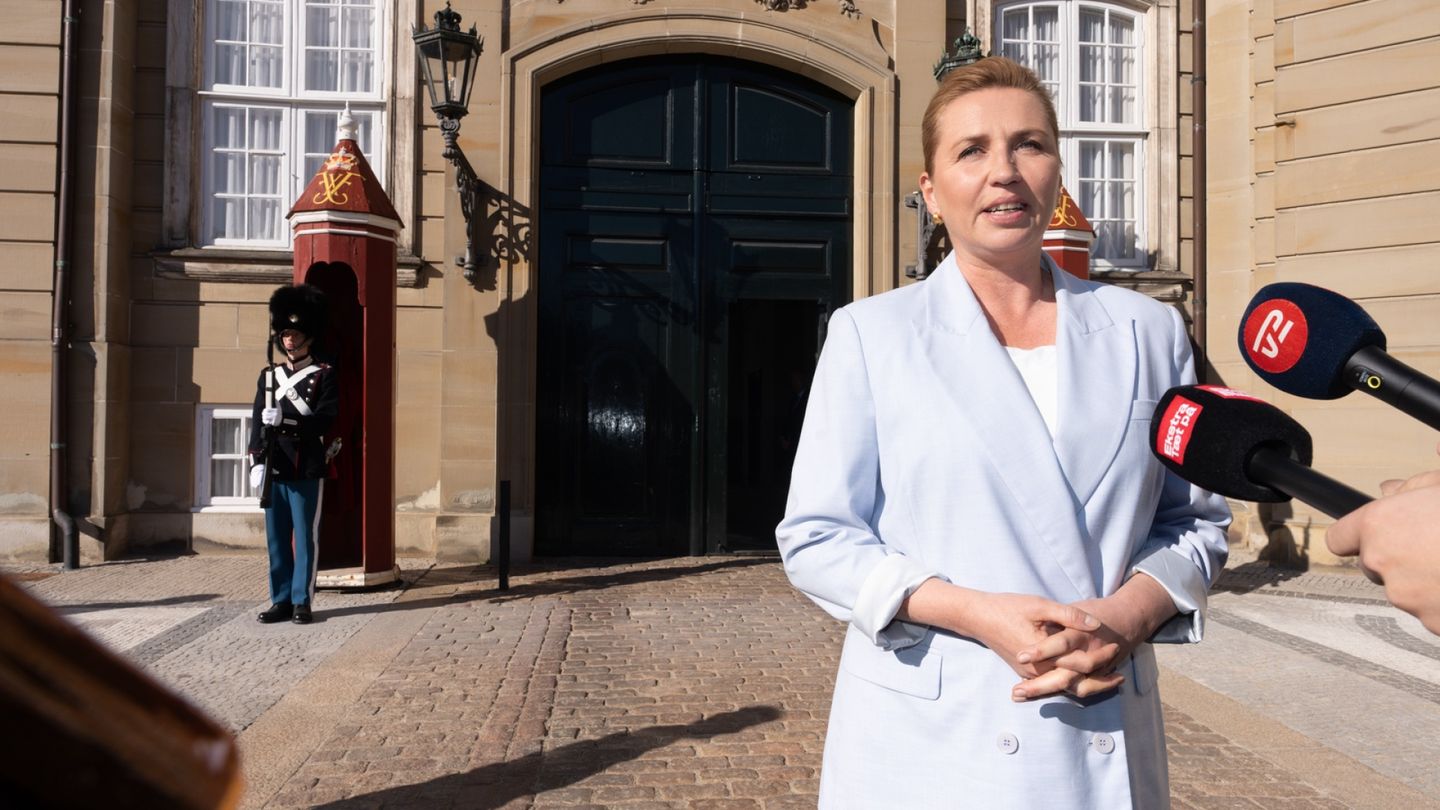
Denmark's political landscape is in flux as Prime Minister Mette Frederiksen's attempts to form a new government have stalled. After weeks of historically long negotiations, Frederiksen, leader of the Social Democrats, could not bridge the gap between left-leaning and center parties. This outcome follows a significant electoral setback for her party in March, their worst performance since 1903, and a similarly poor result for their coalition partner, Venstre.
The baton has now passed to Troels Lund Poulsen of Venstre, who will attempt to form a government, potentially without the Social Democrats or the centrist Moderates. The Moderates, led by Lars Løkke Rasmussen, were in a kingmaker position but ultimately withdrew from negotiations, backing Poulsen instead. This move underscores the complex balancing act required in Danish politics, where no single bloc commands a majority.
The mandate to form a government has now passed to Venstre's Troels Lund Poulsen: it is his turn to try to form a government.
Frederiksen herself acknowledged the possibility of not continuing as Prime Minister, suggesting a center-right government might emerge. Her decision to call early elections was seen by some as an attempt to capitalize on her popularity, particularly her strong stance against former U.S. President Donald Trump's interest in Greenland. However, her domestic policies, especially on immigration and taxation, have been less popular.
From a Danish perspective, this period of negotiation is a testament to our political system's deliberative nature, even when it leads to prolonged uncertainty. While international observers might focus on the instability, we see it as a necessary process to ensure a stable and representative government. The role of the Moderates, seeking a middle ground, is crucial in a fragmented parliament, reflecting a broader societal desire for consensus. The outcome will shape Denmark's direction on key domestic issues, and how Frederiksen navigates this challenge will be closely watched.
It seems possible that a center-right government will be formed in the country.
DistantNews Editorial
Originally published by Helsingin Sanomat in Finnish. Translated, summarized, and contextualized by our editorial team with added local perspective. Read our editorial standards.
More Stories
From Our Blog

What Gets Lost (and Found) When News Is Translated

The Critical Role of Diaspora Media in Global News

What Travellers Should Know About Countries with Restricted Press

A Digital Nomad's Guide to Following Local News

How the Same Story Looks Different in Different Countries
