

Do not tire before the wukuf
Translated from Malay, summarized and contextualized by DistantNews.
TLDR
- Hajj pilgrims are advised to prioritize the quality of their worship over performing numerous voluntary Umrah rituals, especially during the intense heat and crowds in Mecca.
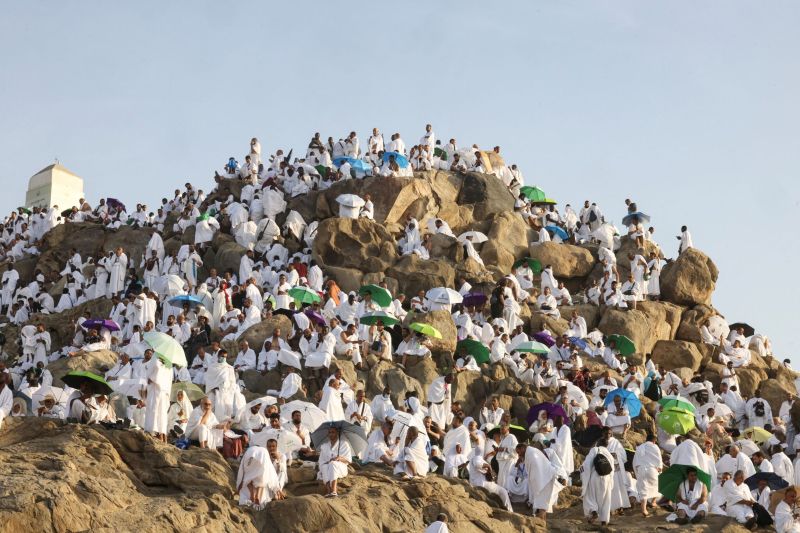
- Overexertion from repeated Umrah trips can lead to physical fatigue, potentially compromising the performance of essential Hajj rites like the wukuf (standing at Arafat).
- The focus should remain on fulfilling the obligatory Hajj rituals with sincerity and concentration, ensuring adequate rest and health management for the pilgrimage's peak moments.
As the Hajj pilgrimage unfolds under the scorching Saudi sun, a crucial reminder emerges from Utusan Malaysia: the paramount importance of prioritizing the quality of worship over the quantity of voluntary acts. In the face of extreme heat and dense crowds within the Grand Mosque, pilgrims are urged to conserve their energy for the core tenets of Hajj.
This advice stems from a fundamental understanding of Islamic jurisprudence, emphasizing that the obligatory rites – wukuf, mabit, and the symbolic stoning of the devil (ramy) – form the bedrock of the Hajj. Voluntary Umrah, while spiritually rewarding, should not detract from the successful completion of these essential duties. The article highlights the potential for physical exhaustion from repeated Umrah visits, which can jeopardize a pilgrim's ability to fully engage in the profound spiritual experience of the wukuf at Arafat.
From a Malaysian perspective, the Hajj is a deeply significant spiritual journey, and ensuring its proper execution is of utmost importance. The emphasis on quality over quantity aligns with the Islamic value of ikhlas (sincerity) and penghayatan (deep appreciation). The article implicitly cautions against a performative approach to worship, advocating instead for a more mindful and focused spiritual engagement. This perspective is particularly relevant in Malaysia, where religious observance is a cornerstone of cultural identity.
The challenges of navigating the Hajj, including the physical demands and the sheer scale of the gathering, are well understood. This guidance from Utusan Malaysia serves as a timely reminder, rooted in local understanding and religious scholarship, that true fulfillment in Hajj comes not from accumulating the most rituals, but from performing the essential ones with the deepest devotion and concentration. It’s about maximizing the spiritual benefit of each moment, especially the critical ones at Arafat, Muzdalifah, and during the stoning rituals.
DistantNews Editorial
Originally published by Utusan Malaysia in Malay. Translated, summarized, and contextualized by our editorial team with added local perspective. Read our editorial standards.
More Stories



From Our Blog

What Gets Lost (and Found) When News Is Translated

The Critical Role of Diaspora Media in Global News

What Travellers Should Know About Countries with Restricted Press

A Digital Nomad's Guide to Following Local News

How the Same Story Looks Different in Different Countries
