

Dollar Rates Unchanged for May 1st Holiday in Argentina
Translated from Spanish, summarized and contextualized by DistantNews.
TLDR
- Due to the May 1st holiday, there was no financial market activity, with official and blue-dollar rates based on the previous business day's closing values.
- The official dollar closed at 1365 pesos for buying and 1415 for selling, while the blue dollar traded at 1380 for buying and 1400 for selling.
- The article also explains various types of dollars in Argentina, including official, blue, card, and wholesale rates.
As Argentina observes the May 1st holiday, a commemoration of Worker's Day, financial markets remain closed. Consequently, the exchange rates for both the official dollar and the "dólar blue" are reflecting the closing values from the last business day. This pause in trading provides a moment to reflect on the currency's complex landscape within the Argentine economy.
Por el feriado de este viernes 1° de mayo, correspondiente a la conmemoración del Día del Trabajador, no hay actividad en el mercado financiero y, tanto para el dólar oficial como para el dólar blue se toman como referencia los valores de cierre del último día hábil de la semana.
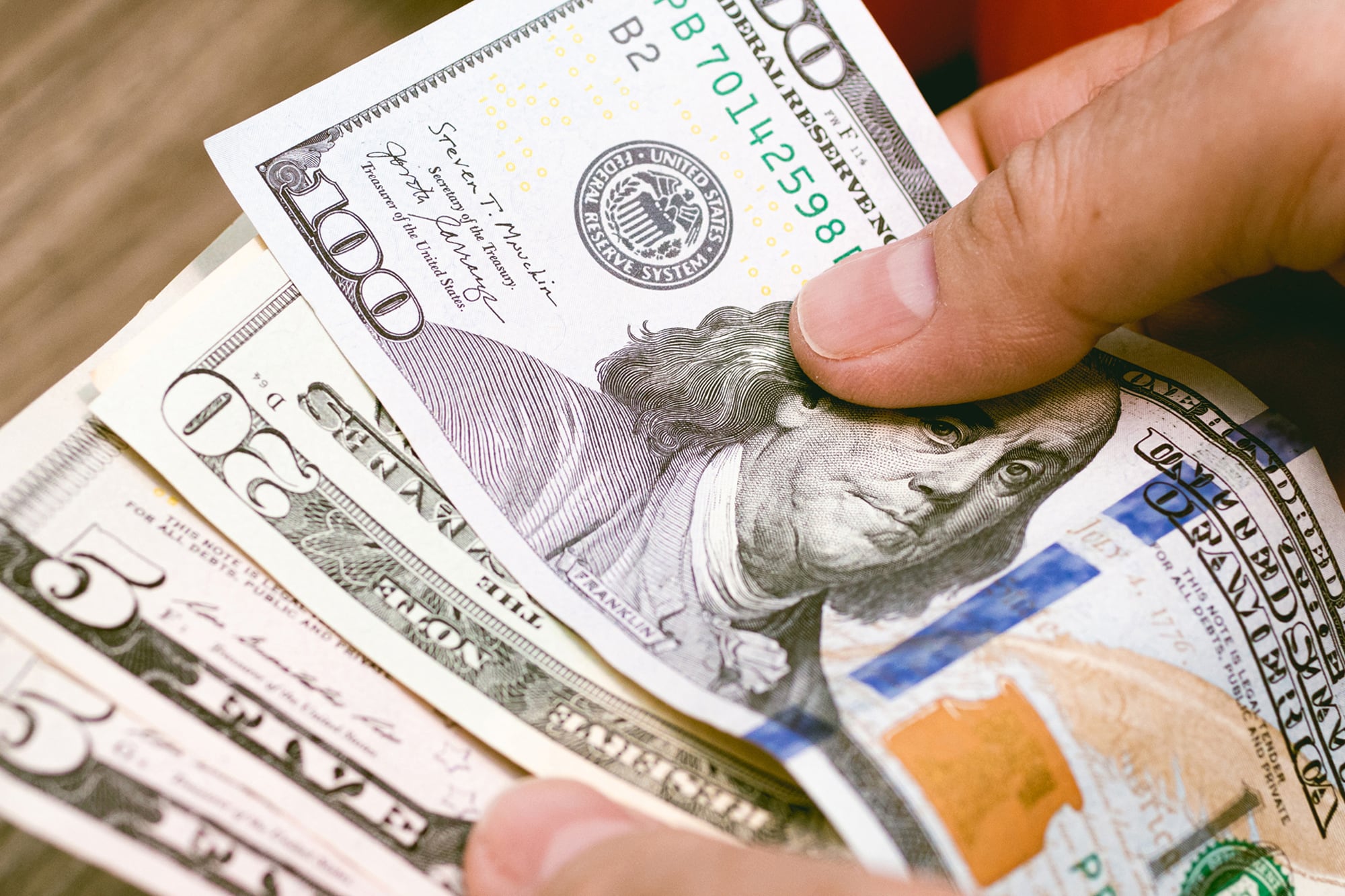
On the most recent trading day, the official dollar was quoted at 1365 pesos for buying and 1415 pesos for selling at the Banco Nación. Meanwhile, the "dólar blue," which operates in the informal market, was trading slightly lower, at 1380 pesos for buying and 1400 pesos for selling. These figures, while static for the holiday, represent the ongoing fluctuations and the significant gap that often exists between the official and parallel markets.
The article further elaborates on the different types of dollars circulating in Argentina. The "Dólar Oficial" is controlled by the Central Bank (BCRA) and exists in both retail and wholesale forms, serving as the benchmark for other market rates. The "Dólar Blue," or parallel dollar, is the most accessible currency for many Argentines, operating outside government controls. Additionally, the "Dólar Tarjeta" is used for foreign currency purchases and services abroad, calculated with a 30% tax perception. Finally, the "Dólar Mayorista" is specifically for international trade transactions managed by the BCRA.
En la última jornada hábil, el dólar oficial, en las pizarras del Banco Nación, cotizó a $1365 para la compra y $1415 para la venta.
Understanding these distinctions is crucial for navigating Argentina's financial environment. The existence of multiple exchange rates reflects the country's ongoing efforts to manage its economy, control inflation, and influence international trade. While the holiday brings a temporary halt to trading, the underlying dynamics of these different dollar values continue to shape economic activity and influence the daily lives of Argentines.
En tanto, el dólar blue, que se comercializa en el mercado informal de cambios, en el último día hábil operaba a $1380 para la compra y $1400 para la venta.
DistantNews Editorial
Originally published by La Nación in Spanish. Translated, summarized, and contextualized by our editorial team with added local perspective. Read our editorial standards.
More Stories



From Our Blog

What Gets Lost (and Found) When News Is Translated

The Critical Role of Diaspora Media in Global News

What Travellers Should Know About Countries with Restricted Press

A Digital Nomad's Guide to Following Local News

How the Same Story Looks Different in Different Countries
