


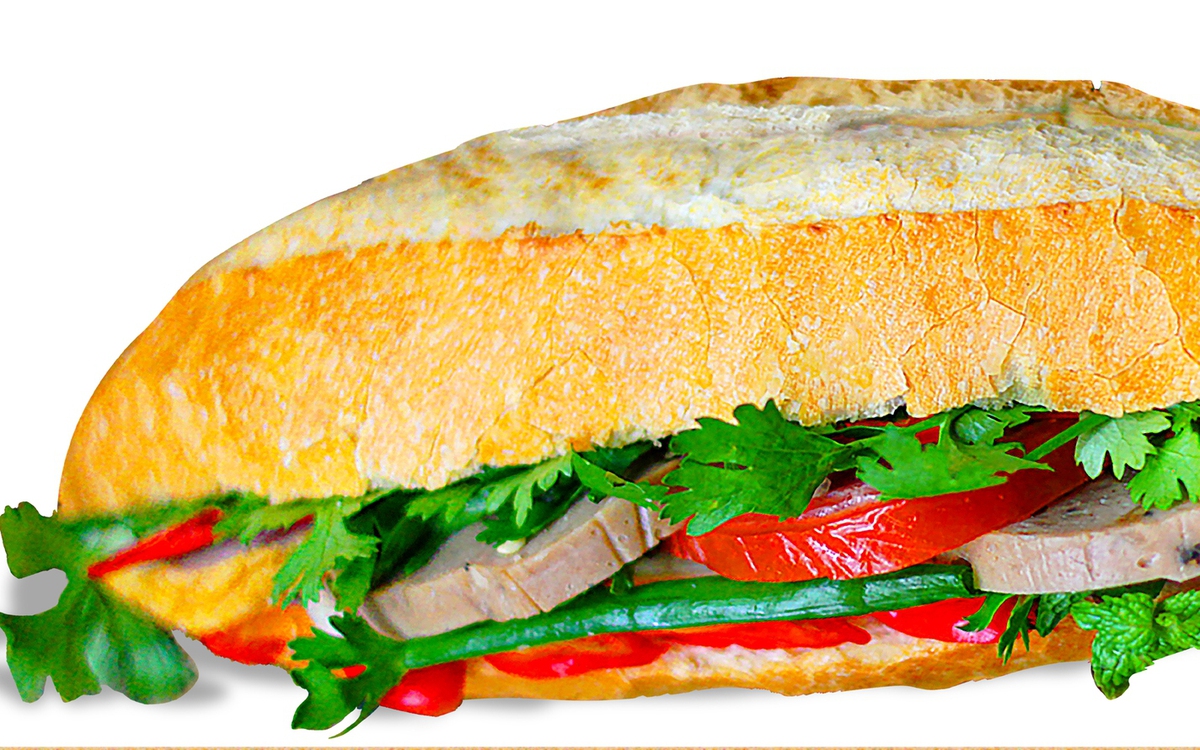
Don't Let Banh Mi - A Vietnamese Brand - Become a Cause for Food Poisoning
Translated from Vietnamese, summarized and contextualized by DistantNews.
TLDR
- Banh mi, a source of Vietnamese culinary pride, is now causing concern due to food poisoning risks.
- Salmonella and Staphylococcus aureus bacteria, often found in egg yolk sauce and pâté, are identified as the main culprits.
- The article urges a joint effort from the state, vendors, and consumers to ensure food safety and preserve the integrity of this beloved dish.
Banh mi is a culinary treasure, a source of immense pride for Vietnam that has been a staple for generations, enjoyed by people from all walks of life. It's disheartening, therefore, to see this beloved street food now associated with worries of food poisoning. This isn't just about a sandwich; it's about safeguarding a vital part of our cultural heritage.
Scientific analysis points to Salmonella and Staphylococcus aureus as the primary bacteria responsible for foodborne illnesses linked to banh mi. These pathogens thrive particularly in the egg yolk sauce and pâté, common ingredients that, if not prepared or stored correctly, become breeding grounds. The heat from toasting the bread, while making it crispy, is insufficient to eliminate the toxins produced by Staphylococcus aureus once they have formed within the filling.
Compounding the issue is Vietnam's tropical climate, with temperatures frequently exceeding 30-35°C, creating an ideal environment for bacterial growth. Street vendors' banh mi, exposed to sun and heat throughout the day, can quickly become unsafe. Furthermore, unhygienic practices, such as handling food with bare hands after handling money, accelerate the spread of contamination.
To ensure banh mi remains a symbol of Vietnamese culinary excellence, a collaborative approach is essential. The government must implement stricter controls, extending beyond small vendors to the large-scale producers of pâté and charcuterie. Vendors themselves must prioritize hygiene, separating raw and cooked ingredients, avoiding bare-hand contact with food, and investing in refrigeration for perishable components like pâté and sauces. Consumers, too, play a role by being more discerning. By making small changes in our habits, we can collectively protect the health of our people and preserve the reputation of banh mi, both at home and abroad.
DistantNews Editorial
Originally published by Tuổi Trẻ in Vietnamese. Translated, summarized, and contextualized by our editorial team with added local perspective. Read our editorial standards.
More Stories


From Our Blog

What Gets Lost (and Found) When News Is Translated

The Critical Role of Diaspora Media in Global News

What Travellers Should Know About Countries with Restricted Press

A Digital Nomad's Guide to Following Local News

How the Same Story Looks Different in Different Countries
