

Vietnamese Youth Disconnect from Social Media Pressures by Disabling Online Status
Translated from Vietnamese, summarized and contextualized by DistantNews.
TLDR
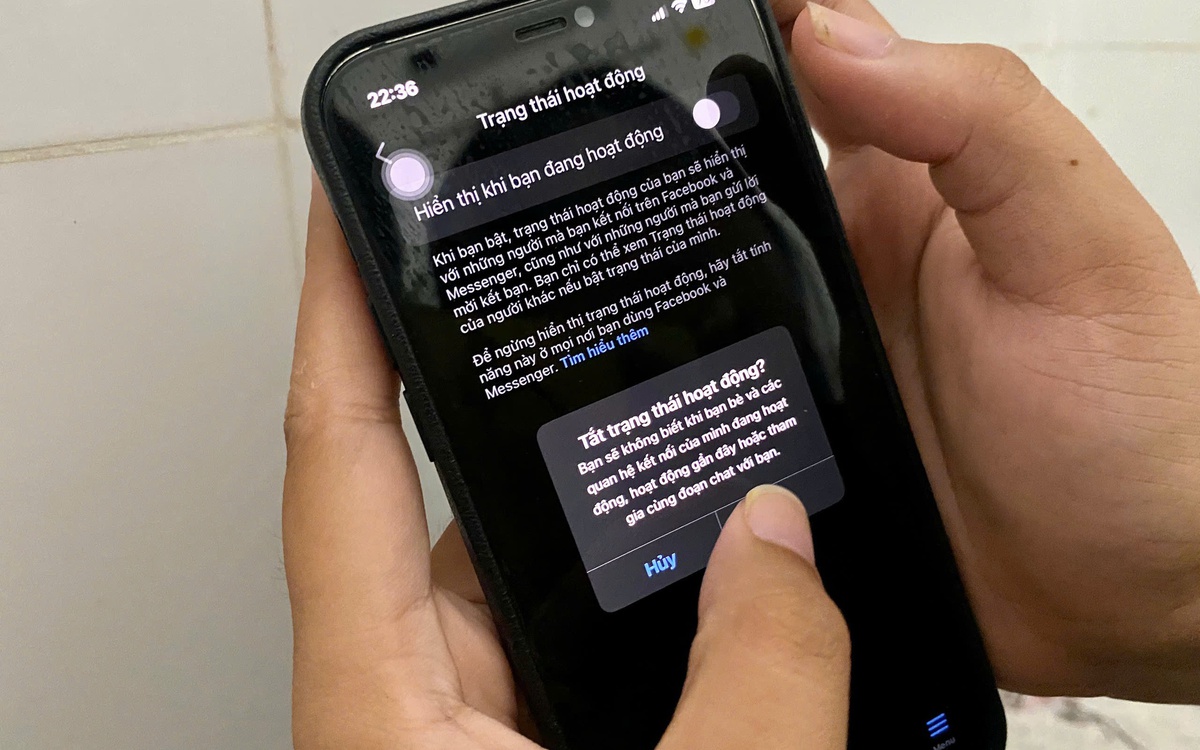
- Many young Vietnamese people are opting to disable social media features like 'active status' and 'read receipts' to avoid pressure and overthinking.
- Users report feeling less anxious about immediate responses and avoiding scenarios where they are perceived as ignoring messages.
- This trend reflects a desire for reduced social pressure and a more private online experience, with some users maintaining these settings for years.
In Vietnam's increasingly digital social landscape, a growing number of young people are choosing to retreat from the constant connectivity of social media by disabling features like 'active status' and 'read receipts.' This trend, observed across platforms like Facebook, Messenger, and Zalo, stems from a desire to escape the perceived pressure of immediate responses and the anxiety associated with being constantly available. For many, turning off these indicators is a way to reclaim a sense of personal space and reduce the mental burden of online social interactions.
There are many times when people message me and I don't want to reply immediately. If I have 'active status' on and don't respond right away, and they see I've read it, I feel anxious because I'm afraid they'll think this or that.
Personal accounts reveal a common theme of 'overthinking' and the fear of misinterpretation. Users like Lê Bảo Ngọc and Trà My express relief from not having to worry about whether their messages have been seen or why a response is delayed. This deliberate act of 'going offline' allows them to manage their communication on their own terms, avoiding situations where they might feel pressured to reply instantly or be questioned about their responsiveness. For some, like Anh Duy, disabling these features is also a practical measure, allowing them to separate work-related communications from personal time without the expectation of constant availability.
I myself overthink quite a bit, so if I see someone is active on social media but hasn't read my message, or has read it but hasn't replied, I'll imagine many scenarios.
The phenomenon highlights a generational shift in how social media is perceived and utilized. While previous generations might have embraced the constant sharing and interaction, younger Vietnamese users are increasingly prioritizing mental well-being and personal boundaries. This move towards a more private and less demanding online presence is not necessarily a rejection of social media itself, but rather a strategic adaptation to manage its impact on daily life. It reflects a broader cultural conversation about digital etiquette and the evolving nature of social connection in the modern era, where 'being online' no longer equates to constant engagement.
I turn off my status on all platforms used to connect with others. I also don't want to be in a situation where I'm asked why I'm online but not replying, or why I've seen a message but haven't responded.
DistantNews Editorial
Originally published by Tuổi Trẻ in Vietnamese. Translated, summarized, and contextualized by our editorial team with added local perspective. Read our editorial standards.
More Stories

From Our Blog

What Gets Lost (and Found) When News Is Translated

The Critical Role of Diaspora Media in Global News

What Travellers Should Know About Countries with Restricted Press

A Digital Nomad's Guide to Following Local News

How the Same Story Looks Different in Different Countries
