


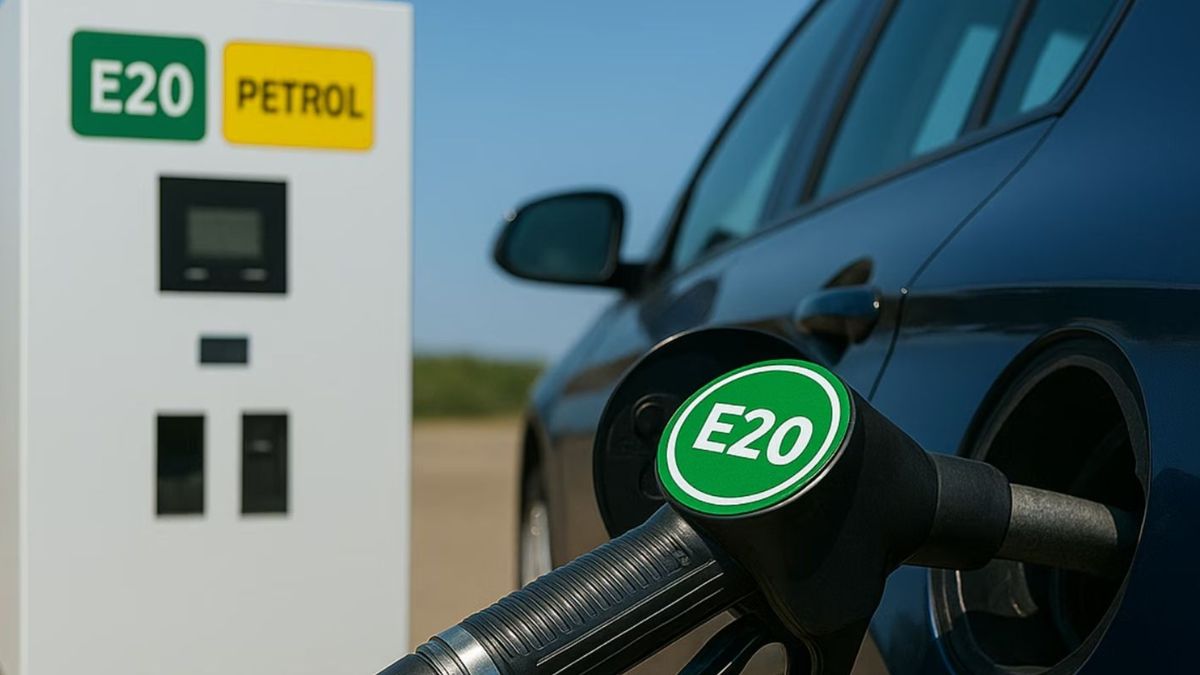
E20 Gasoline: Premium Fuels May Offer a Way Out for Owners of Older Cars
Translated from Hungarian, summarized and contextualized by DistantNews.
TLDR
- The transition of standard gasoline to E20 presents a potential solution for owners of older or more sensitive vehicles, with premium fuels like E5 or E10 remaining available.
- This shift could benefit automakers and premium fuel producers by catering to drivers willing to pay more for specialized fuel, while maintaining options for high-performance engines.
- The future use of synthetic components like ETBE in premium fuels is likely due to refining challenges and stricter environmental regulations, appealing to quality-conscious consumers.
Magyar Nemzet addresses a crucial development in Hungary's fuel market: the potential shift towards E20 gasoline. This move, while seemingly technical, carries significant implications for consumers, the automotive industry, and environmental goals. The article explores the logical progression where standard 95-octane fuel could transition to E20, while premium fuels (98/100 octane) would maintain lower ethanol blends like E5 or E10.
This strategy offers a pragmatic solution for owners of older or more sensitive vehicles, ensuring they have access to suitable fuel. Simultaneously, it presents a viable business model for manufacturers and premium fuel providers. By segmenting the market, they can cater to drivers willing to invest more in higher-quality fuel for their performance or sensitive vehicles. The article highlights the role of synthetic components, such as ETBE used by Orlen, which behave more like traditional gasoline and are less problematic for older fuel systems, suggesting their increased use in premium blends.
The wider use of synthetic components is therefore more than likely in the case of 100 premium gasoline. It is becoming increasingly difficult to produce high octane numbers by conventional refining, while environmental regulations are tightening.
Looking ahead, the discussion touches upon the feasibility of returning to E85, a previously popular option due to its cost-effectiveness. However, the article cautions about E85's aggressive nature, which can damage fuel systems not designed for it, leading to issues like cold-start problems and corrosion. Ultimately, the piece underscores the need for clear EU policy regarding internal combustion engines post-2035, a decision that will shape the future of fuels like E20 and influence Hungary's energy landscape. From a Hungarian viewpoint, navigating these fuel transitions requires balancing economic interests, consumer needs, and environmental commitments.
However, as he pointed out, the most important thing regarding E20 is that the EU should take a stand on what it plans for internal combustion engines after 2035.
DistantNews Editorial
Originally published by Magyar Nemzet in Hungarian. Translated, summarized, and contextualized by our editorial team with added local perspective. Read our editorial standards.
More Stories



From Our Blog

Countries Without a Free Press: What You Need to Know

What Press Freedom Means for the News You Read

What Gets Lost (and Found) When News Is Translated

The Critical Role of Diaspora Media in Global News

What Travellers Should Know About Countries with Restricted Press
