


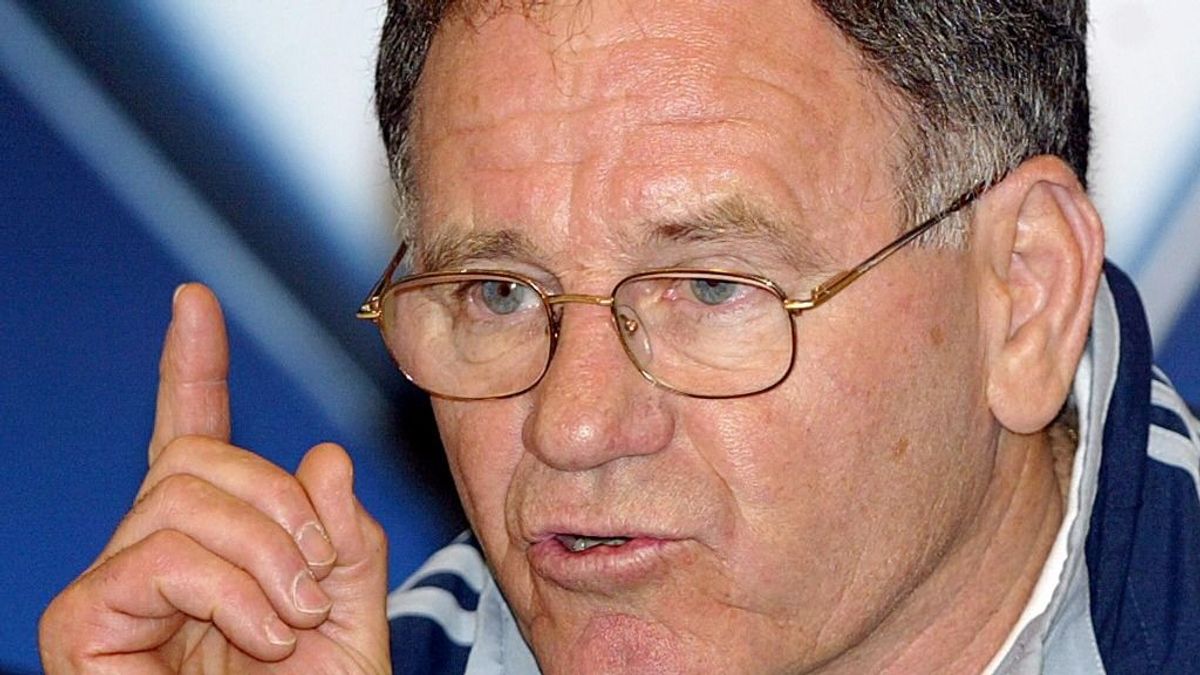
József Szabó's Drama Still Memorable in Football World Cup Semi-Final
Translated from Hungarian, summarized and contextualized by DistantNews.
TLDR
- The 1974 World Cup semi-final match between West Germany and the Soviet Union is remembered for its physical intensity and controversial moments.
- Key events included the sending off of the Soviet player Viktor Tsarev and an injury to József Szabó, which significantly impacted the Soviet team.
- Despite the Soviet Union's efforts, West Germany secured a 2-1 victory, advancing to the final while the Soviets competed for third place.
The 1974 FIFA World Cup semi-final between West Germany and the Soviet Union remains a legendary, albeit controversial, fixture in football history, etched in the memories of Hungarian sports enthusiasts.
As Magyar Nemzet recalls, the match was a brutal display of 'power football,' a style that dominated the era but drew criticism for its lack of aesthetic appeal. While West Germany, led by Franz Beckenbauer, ultimately triumphed 2-1, the game was far from a one-sided affair. The Soviet team, despite playing with ten men after Viktor Tsarev's sending off and losing József Szabó to injury, mounted a fierce challenge.
The international press, while acknowledging the high stakes and the intensity, lamented the absence of 'beautiful play.' The focus was on the physical dominance, a stark contrast to the nuanced, skillful football many fans desired. However, from a Hungarian perspective, the narrative often centers on the sheer grit and determination shown by the Soviet side, particularly their legendary goalkeeper Lev Yashin, who, despite the loss, put in a heroic performance.
The controversial nature of the match, including the fact that four out of five players sent off in the tournament were against Germany, fueled debate. The injury to Szabó, described as 'unprecedented bad luck,' and Tsarev's red card were pivotal moments. Yet, the Soviet team's ability to keep the Germans on edge until the final whistle, even with nine men, speaks to their resilience. This match serves as a potent reminder of a bygone era in football, where physicality often trumped finesse, and the emotional narratives surrounding the game were as compelling as the action on the pitch.
Csiszlenkót kiállították, Szabó József megsérült, mégis pánikban tartották a németeket az oroszok. A németek kilenc orosz játékost sem tudtak megtörni, nemhogy kapusukat, Jasint. Az oroszok a mérkőzés utolsó perceiben megváltoztathatták volna az események menetét. De nem tették, mert nem csak az utolsó percekben kellett volna így játszaniuk
DistantNews Editorial
Originally published by Magyar Nemzet in Hungarian. Translated, summarized, and contextualized by our editorial team with added local perspective. Read our editorial standards.
More Stories
From Our Blog

Countries Without a Free Press: What You Need to Know

What Press Freedom Means for the News You Read

What Gets Lost (and Found) When News Is Translated

The Critical Role of Diaspora Media in Global News

What Travellers Should Know About Countries with Restricted Press
