

Ebola: WHO's Tedros visits Uganda, bordering DRC epicentre
Summarized and contextualized by DistantNews.
At a glance
News
Sources not specified
Ongoing story
- The WHO director-general visited Uganda, which borders the Democratic Republic of Congo's Ebola outbreak epicenter.
- Uganda has reported 19 confirmed Ebola cases, with 14 linked to travelers from the DRC and five Ugandan nationals, resulting in two deaths.
- The WHO and Africa CDC have launched a $518 million plan to combat the outbreak, which involves a rare ebolavirus species with a lower fatality rate than some past outbreaks.
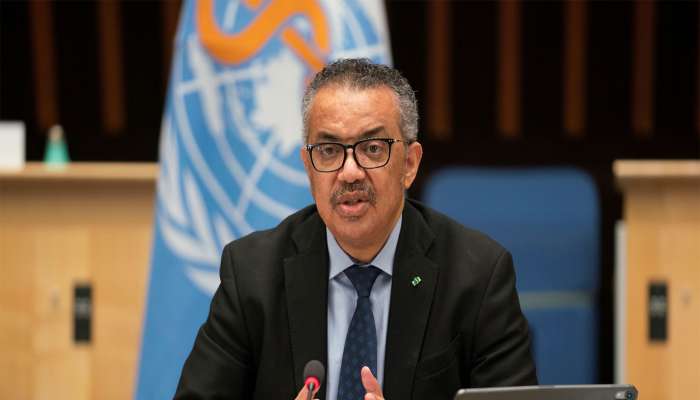
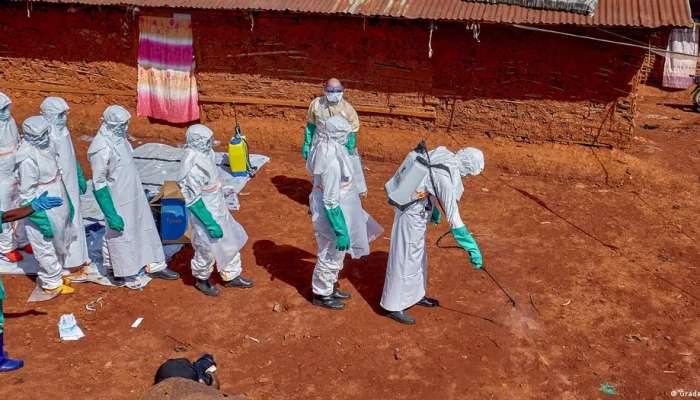
The director-general of the World Health Organization (WHO), Tedros Adhanom Ghebreyesus, visited Uganda, a country bordering the epicenter of the latest Ebola outbreak in the eastern Democratic Republic of Congo (DRC). The WHO has declared a public health emergency over the current outbreak, which was announced on May 15 in the northeastern DRC.
I am in Uganda, where the government has mounted a prompt and capable response to the outbreak of Ebola.
Tedros praised Uganda's prompt and capable response to the outbreak. "Screening at the borders helped detect cases arriving from neighboring DRC, and the country's surveillance, testing and case management systems are doing steady work," he stated. Uganda has reported 19 confirmed Ebola cases, including 14 individuals who entered from the DRC and five Ugandan nationals. Two deaths have been recorded.
Tedros urged Uganda to reconsider its decision in late May to close its border with the DRC, noting that "blanket travel restrictions do not work." Dr. Diana Atwine, a permanent secretary at Uganda's Ministry of Health, confirmed that Tedros's visit aimed to assess Uganda's readiness and support efforts to strengthen cross-border coordination to prevent further spread and end the outbreak.
Screening at the borders helped detect cases arriving from neighbouring DRC, and the country's surveillance, testing and case management systems are doing steady work.
Meanwhile, the Africa Centres for Disease Control (Africa CDC) reported a total of 544 confirmed Ebola cases and 88 deaths across the region. The majority of these cases, 515, are from the DRC's Ituri province. These figures may be lower than actual totals due to challenges in testing and confirmation in the remote, war-torn region.
blanket travel restrictions do not work, so I hope they [Ugandan authorities] reconsider.
The current outbreak, the 17th in the DRC since 1976, involves the comparatively rare Bundibugyo species of ebolavirus, for which no vaccine is recognized. While this complicates treatment, the current case and death numbers suggest it is not among the most lethal forms of Ebola, with a fatality rate of less than 20% among confirmed cases, compared to rates often exceeding 50% in past outbreaks. Improved treatment, containment, and detection methods likely contribute to these figures. The WHO and Africa CDC launched a $518 million plan on Friday to combat the outbreak.
He is in the country to assess Uganda's readiness to respond to the ongoing Ebola outbreak and to support efforts aimed at strengthening cross-border coordination to prevent further exportation of Ebola cases from Congo and to bring the outbreak to an end.
DistantNews Editorial
Originally published by Times of Oman. Summarized and contextualized by our editorial team with added local perspective. Read our editorial standards.
More Stories
From Our Blog

What Gets Lost (and Found) When News Is Translated

The Critical Role of Diaspora Media in Global News

What Travellers Should Know About Countries with Restricted Press

A Digital Nomad's Guide to Following Local News

How the Same Story Looks Different in Different Countries
