

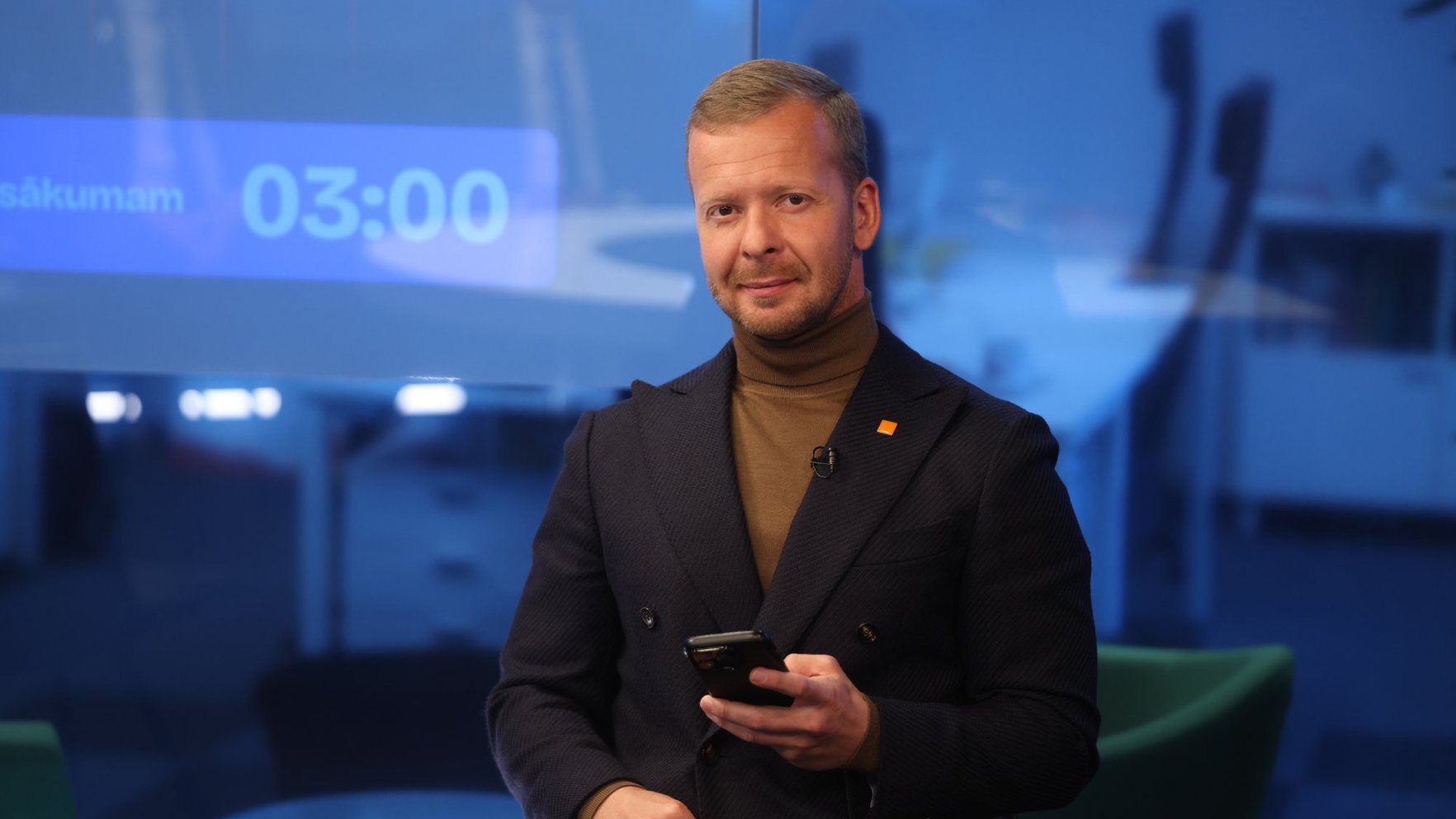

Edvards Lūkass: NATO Faces Existential Crisis Ahead of July Summit Amid 'Ongoing Disintegration'
Translated from Latvian, summarized and contextualized by DistantNews.
TLDR
- The upcoming NATO summit in July is crucial for the alliance's survival, with concerns about its "ongoing disintegration."
- Internal political weaknesses in major European powers and a slow decision-making process within NATO institutions are exacerbating the situation.
- The article suggests that Russia's actions are progressing rapidly while NATO's response remains sluggish.
The looming NATO summit in July is not merely a routine meeting but a critical juncture for the very survival of the alliance. As Polish Prime Minister Donald Tusk has openly stated, NATO is facing "ongoing disintegration." This stark assessment is amplified by the perceived wavering commitment from key allies, particularly the United States under Donald Trump's potential future leadership. The article highlights a growing strategic vulnerability in Europe, questioning whether any leader truly believes Trump would engage in conflict with Russia for the sake of European security.
The departure of Viktor Orbán from the European political scene, while seemingly unrelated, has further illuminated the deep-seated caution and timidity among major European governments like Great Britain, France, and Germany. Their internal political struggles are seen as directly contributing to this paralysis. Compounding these issues are the inefficiencies within NATO's own institutions. Their decision-making processes, already slow during peacetime, are described as "suicidally sluggish" in the current volatile geopolitical climate. This internal inertia stands in stark contrast to the perceived acceleration of Russia's strategic clock.
From a Latvian perspective, as represented by Delfi, these developments are particularly concerning. The article implicitly critiques the West's handling of the situation, suggesting a disconnect between the urgency of the threat and the response from NATO members. The piece calls into question the reliability of collective security guarantees when faced with internal divisions and external aggression. The underlying message is one of alarm, urging a re-evaluation of NATO's purpose and effectiveness in an era where its foundational principles appear to be under severe strain. The author, Edvards Lūkass, frames this as a moment of reckoning for the transatlantic alliance.
DistantNews Editorial
Originally published by Delfi Latvia in Latvian. Translated, summarized, and contextualized by our editorial team with added local perspective. Read our editorial standards.
More Stories
From Our Blog

What Gets Lost (and Found) When News Is Translated

The Critical Role of Diaspora Media in Global News

What Travellers Should Know About Countries with Restricted Press

A Digital Nomad's Guide to Following Local News

How the Same Story Looks Different in Different Countries
