


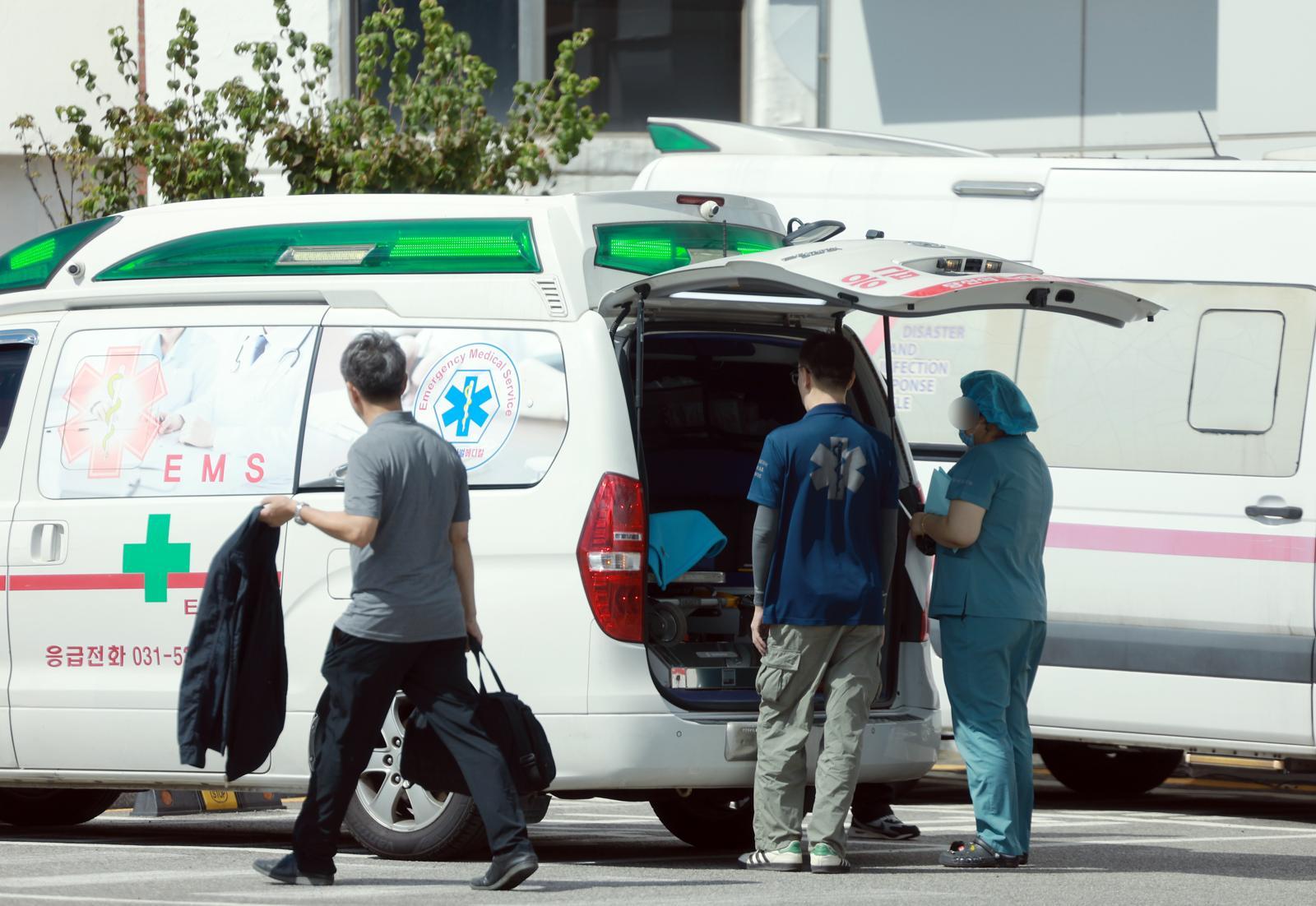
Emergency Transport for Pregnant Women in South Korea Fails, With Longer Wait Times Despite Fewer Cases
Translated from Korean, summarized and contextualized by DistantNews.
TLDR
- The emergency transport system for pregnant women in South Korea is showing signs of regression, with fewer transport cases but longer average transport times over the last three years.
- This indicates a growing inability within local regions to accommodate high-risk pregnant patients promptly, leading to increased transfers to other provinces.
- Lawmaker Kim Ye-ji criticizes the system's ineffectiveness and calls for a complete overhaul to ensure a functional emergency transport network.
South Korea's emergency medical transport system for pregnant women is facing a critical crisis, revealing a disturbing trend of declining efficiency. Despite a decrease in the number of pregnant women requiring emergency transport over the past three years, the average time taken for these critical transfers has inexplicably increased. This alarming development, coupled with a rise in inter-provincial transfers, points to a systemic failure in providing timely and adequate care for high-risk expectant mothers within their local regions.
The data, obtained by lawmaker Kim Ye-ji from the Fire Department, paints a grim picture. The average transport time has crept up from 20 minutes to 23 minutes, while inter-provincial transfers have risen from 674 to 753 cases. This suggests that regional hospitals are increasingly unable to handle high-risk pregnancies, forcing longer and more complex transfers. The lack of real-time information sharing regarding hospital bed availability and specialized medical personnel is a significant bottleneck, hindering the seamless connection of patients to appropriate medical facilities.
This incident shows that the system has not functioned properly throughout the entire process, from hospital selection to transport.
A recent case in Daegu starkly illustrates these systemic flaws. A high-risk pregnant woman faced a desperate 40-minute search for a hospital, with seven regional facilities unable to accommodate her. Reasons cited included a lack of obstetric specialists, insufficient neonatal intensive care unit (NICU) capacity, and general staffing shortages. This harrowing experience, which ultimately led the family to seek care in distant cities, underscores the urgent need for a robust and responsive emergency transport system. The current framework, despite established protocols like regional maternal health centers and dedicated transfer teams, is clearly not functioning effectively on the ground. The widening disparities between metropolitan and non-metropolitan areas, with regions like Chungbuk and Chungnam experiencing significant delays, further highlight the urgent need for comprehensive reform.
Lawmaker Kim Ye-ji has rightly pointed out that this situation demands more than just procedural adjustments. The incident serves as a stark warning that the system is failing. She emphasizes the necessity of a complete overhaul, moving beyond mere designation of centers to implementing real-time information sharing, strengthening inter-regional coordination, and bolstering on-site response capabilities. The current system, which is supposed to be a lifeline, is instead proving to be a source of anxiety and delay for the most vulnerable patients. This is not merely an issue of logistics; it is a matter of life and death, and the current state of affairs is unacceptable for a nation that prides itself on its advanced healthcare system.
We need to completely reorganize it into an emergency transport system that actually works, not just designating regional maternal health centers.
DistantNews Editorial
Originally published by Dong-A Ilbo in Korean. Translated, summarized, and contextualized by our editorial team with added local perspective. Read our editorial standards.
More Stories



From Our Blog

What Gets Lost (and Found) When News Is Translated

The Critical Role of Diaspora Media in Global News

What Travellers Should Know About Countries with Restricted Press

A Digital Nomad's Guide to Following Local News

How the Same Story Looks Different in Different Countries
