

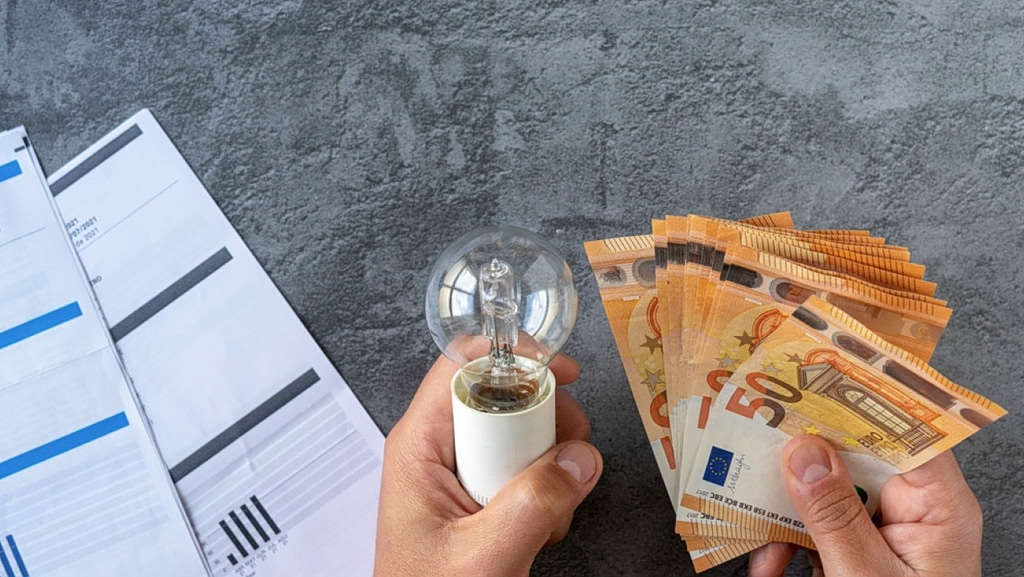
EU Approves Up To 70% Subsidy on Fuel and Electricity for Member States
Translated from Greek, summarized and contextualized by DistantNews.
TLDR
- The European Commission has approved a temporary state aid framework allowing member states to support sectors hit by rising energy and fuel costs.
- The aid, valid until December 31, 2026, can take various forms, including direct consumption-based subsidies and simplified grants for smaller amounts.
- Energy-intensive industries can receive up to 70% aid for electricity costs, covering up to 50% of their total consumption without additional decarbonization commitments.
As a leading Greek news outlet, Ta Nea reports on significant developments impacting our economy and citizens. The European Commission's recent approval of a temporary state aid framework is a crucial development, offering much-needed relief to key sectors grappling with the escalating costs of fuel and energy. This initiative, extending until the end of 2026, demonstrates Brussels' recognition of the economic pressures facing member states, particularly in the wake of geopolitical instability and its ripple effects on energy markets.
The flexibility of this framework is noteworthy. It allows Greece, and other member states, to tailor support to the specific needs of affected industries. Whether through direct subsidies tied to actual consumption or simplified grants for smaller businesses, the aim is to provide tangible assistance. This is particularly vital for sectors like agriculture, fishing, and transportation, which are often the first to feel the pinch of rising operational costs. The ability to provide aid based on real-time consumption helps ensure that support is targeted and effective, reaching those who need it most.
Of particular importance is the provision for energy-intensive industries. The potential for up to 70% aid on electricity costs, covering a significant portion of their consumption, could be a lifeline. In a global economy where energy prices are volatile, such support can prevent disruptions, maintain competitiveness, and safeguard jobs. The fact that this aid does not require immediate decarbonization commitments acknowledges the immediate challenges these industries face, allowing them to stabilize before undertaking potentially costly environmental transitions.
From a Greek perspective, this EU-level intervention is welcome. It provides a crucial backstop, enabling national governments to mitigate the worst effects of the energy crisis. While domestic measures are essential, the coordinated approach at the European level amplifies the impact and signals a unified commitment to economic stability. Ta Nea will continue to closely monitor how these funds are allocated and utilized to ensure they effectively support our industries and protect the livelihoods of Greek citizens.
DistantNews Editorial
Originally published by Ta Nea in Greek. Translated, summarized, and contextualized by our editorial team with added local perspective. Read our editorial standards.
More Stories

From Our Blog

What Gets Lost (and Found) When News Is Translated

The Critical Role of Diaspora Media in Global News

What Travellers Should Know About Countries with Restricted Press

A Digital Nomad's Guide to Following Local News

How the Same Story Looks Different in Different Countries
