


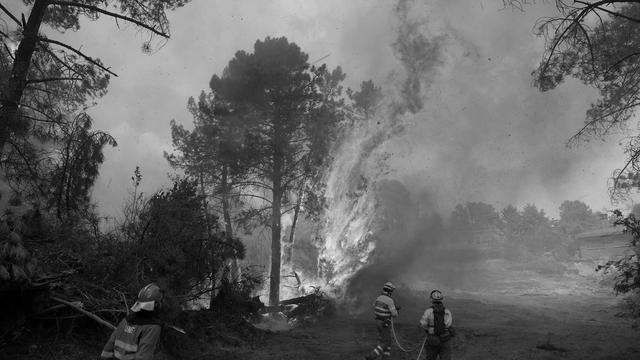
Europe Burns Amid Extreme Heat, But Climate Crisis Fades From View
Translated from German, summarized and contextualized by DistantNews.
At a glance
News
Sources not specified
Context piece
- Extreme heat and wildfires are affecting Europe, making climate change consequences visible.
- Critics warn that attention to climate disasters fades quickly, delaying necessary protective measures.
- Germany's Deutsche Bahn reported its first profit in seven years, but punctuality and quality issues persist for passengers.
Europe is experiencing a summer marked by extreme heatwaves and severe wildfires, starkly illustrating the consequences of climate change. However, critics are sounding the alarm that the urgency surrounding these environmental disasters often dissipates quickly, leaving crucial measures for climate and nature protection unaddressed.
In Germany alone, nearly 10,000 heat-related deaths have been recorded this summer, according to the Robert Koch Institute. This raises critical questions about why the climate crisis, despite its visible and devastating impacts, frequently recedes from public and political attention. The role of both politics and society in this phenomenon is a subject of ongoing discussion.
Meanwhile, in a separate development, Deutsche Bahn, Germany's national railway company, has achieved its first profit in seven years during the first half of 2026, with a net profit of 147 million euros. Passenger numbers have also increased. Despite this financial turnaround, the company continues to invest billions in network renovations. However, passengers still face significant issues with frequent train delays and quality that falls short of the company's own standards. This raises questions about the true state of Deutsche Bahn and whether a state-owned enterprise must prioritize profit.
In other news, a Russian cruise missile was suspected to have crashed in eastern Poland, violating the airspace of the NATO member state during Russian airstrikes on Ukraine. Polish Prime Minister Donald Tusk stated there were no indications of a targeted attack on Poland. Additionally, Montenegro has introduced menstrual leave.
DistantNews Editorial
Originally published by Die Zeit in German. Translated, summarized, and contextualized by our editorial team with added local perspective. Read our editorial standards.
More Stories


From Our Blog

What Gets Lost (and Found) When News Is Translated

How the Same Story Looks Different in Different Countries

The Critical Role of Diaspora Media in Global News

What Travellers Should Know About Countries with Restricted Press

A Digital Nomad's Guide to Following Local News
