

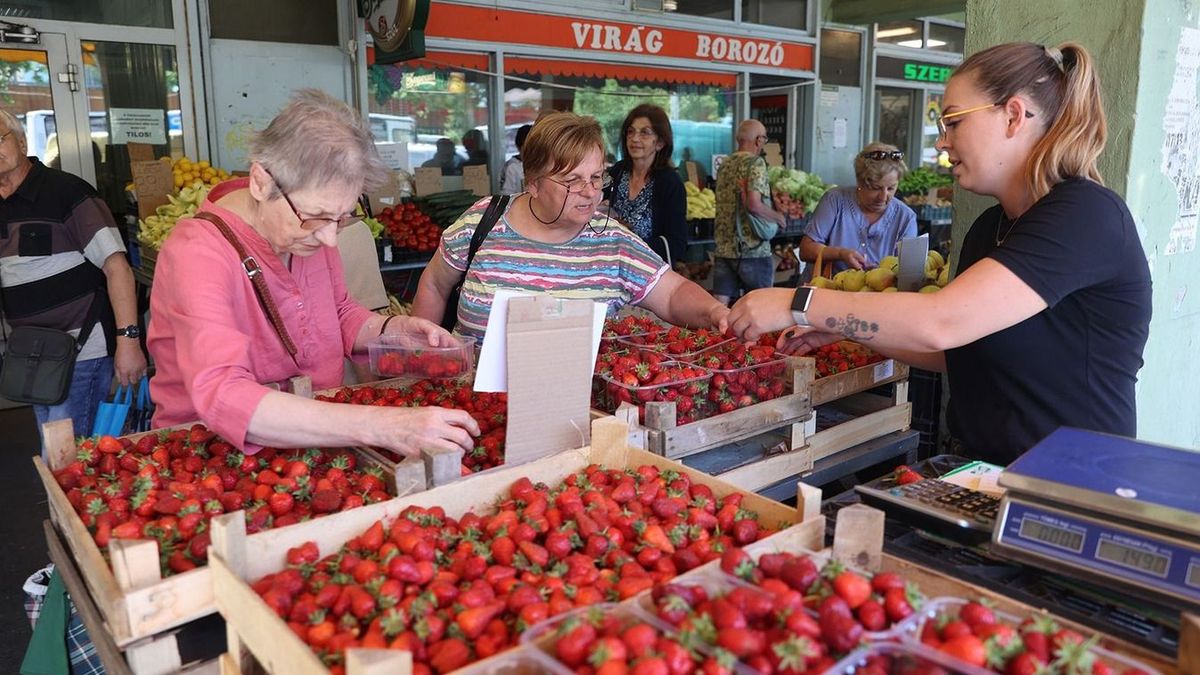

Europe Isn't Spared: Inflation Is Rising in Almost Every EU Country
Translated from Hungarian, summarized and contextualized by DistantNews.
TLDR
- Inflation is rising across the European Union, with 23 out of 27 member states experiencing an increase in their annual inflation rate in March compared to February.
- This widespread inflationary pressure is reminiscent of the energy crisis experienced in 2022-2023.
- The global inflationary shock is attributed to the energy crisis that emerged as a consequence of the conflict in Iran.
Europe is grappling with a significant inflationary surge, a phenomenon that echoes the severe energy crisis of 2022-2023. Magyar Nemzet reports that in March, a striking 23 out of the 27 European Union member states witnessed an uptick in their year-on-year inflation rates compared to the previous month. This broad-based increase suggests that the economic repercussions of the energy crisis, exacerbated by the conflict in Iran, are casting a long shadow across the continent.
The current situation highlights the vulnerability of the European economy to global energy shocks. The interconnectedness of energy markets means that disruptions in one region can quickly translate into widespread price increases for consumers and businesses alike. The fact that nearly all EU countries are experiencing this inflationary pressure simultaneously underscores the systemic nature of the challenge.
From a Hungarian perspective, this trend is particularly concerning. As a nation heavily reliant on energy imports, Hungary is acutely sensitive to fluctuations in global energy prices. The resurgence of high inflation across the EU poses a direct threat to the economic stability and purchasing power of Hungarian citizens. The government will undoubtedly be closely monitoring these developments and considering measures to mitigate the impact of rising prices, particularly on vulnerable households and key industries. The shared experience across the EU, however, also presents an opportunity for coordinated action and solidarity in navigating this complex economic landscape.
DistantNews Editorial
Originally published by Magyar Nemzet in Hungarian. Translated, summarized, and contextualized by our editorial team with added local perspective. Read our editorial standards.
More Stories

From Our Blog

Countries Without a Free Press: What You Need to Know

What Press Freedom Means for the News You Read

What Gets Lost (and Found) When News Is Translated

The Critical Role of Diaspora Media in Global News

What Travellers Should Know About Countries with Restricted Press
