


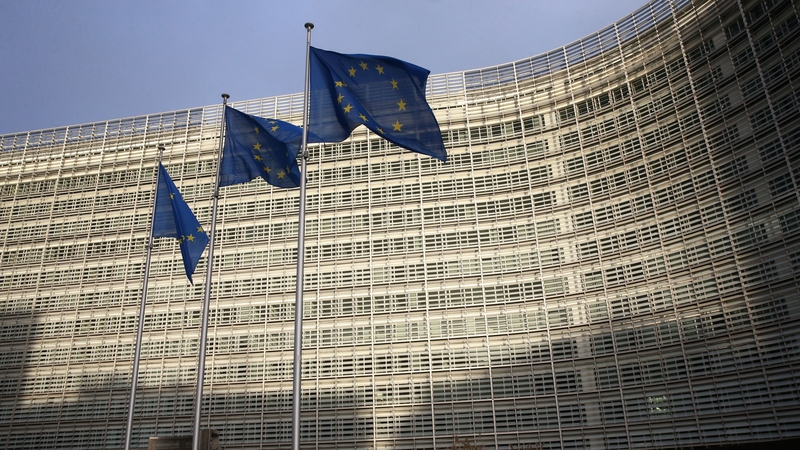
Europe readies response to energy crisis from Iran war
Summarized and contextualized by DistantNews.
TLDR
- The EU is preparing measures to mitigate the energy crisis caused by the war with Iran and the closure of the Strait of Hormuz.
- Plans include reducing electricity taxes and coordinating gas storage refills, avoiding major market interventions like price caps.
- While Europe relies heavily on imports, the crisis has not yet caused fuel shortages, though airlines warn of potential jet fuel issues.
Europe is once again bracing for an energy crisis, this time triggered by the escalating conflict with Iran and the effective closure of the vital Strait of Hormuz shipping route. The European Commission is set to unveil a strategy focused on cushioning the blow, prioritizing measures like coordinating gas storage refills and reducing electricity taxes. Notably, the EU appears to be steering clear of the more drastic interventions, such as price caps or windfall taxes on energy companies, that were employed during the 2022 crisis stemming from Russia's supply cuts.
This measured approach reflects a complex energy landscape. While Europe's dependence on oil and gas imports leaves it vulnerable, key suppliers like the US and Norway are not directly impacted by the Middle East conflict. The immediate crisis has not yet led to widespread fuel shortages, though airlines are sounding the alarm about potential jet fuel scarcity in the coming weeks. The EU's strategy acknowledges that national governments retain significant control over crisis management tools, including subsidies and tax adjustments.
Draft proposals suggest a focus on non-binding guidance for governments to provide "immediate relief," potentially including encouraging businesses to minimize air travel. Some officials indicate that this cautious response also stems from an assessment that the current energy shock might be prolonged, making it prudent to conserve more extreme measures for later. The situation highlights Europe's ongoing challenge in balancing its energy needs with geopolitical instability.
Experts like Elisabetta Cornago from the Centre for European Reform suggest that the oil shock could potentially rival that of 2022, while the gas shock might be similar, and electricity prices could see a smaller impact. This is partly attributed to the significant expansion of renewable electricity sources across the EU since 2022, which now accounts for a substantial portion of the bloc's energy mix. This diversification offers a degree of resilience not present in previous crises, though the overall vulnerability remains a significant concern for the continent's economic stability.
may lead us to a worse shock regarding oil than in 2022, a similar gas shock, but I think a smaller shock on electricity prices
DistantNews Editorial
Originally published by RTÉ News. Summarized and contextualized by our editorial team with added local perspective. Read our editorial standards.
More Stories


From Our Blog

What Gets Lost (and Found) When News Is Translated

The Critical Role of Diaspora Media in Global News

What Travellers Should Know About Countries with Restricted Press

A Digital Nomad's Guide to Following Local News

How the Same Story Looks Different in Different Countries
