


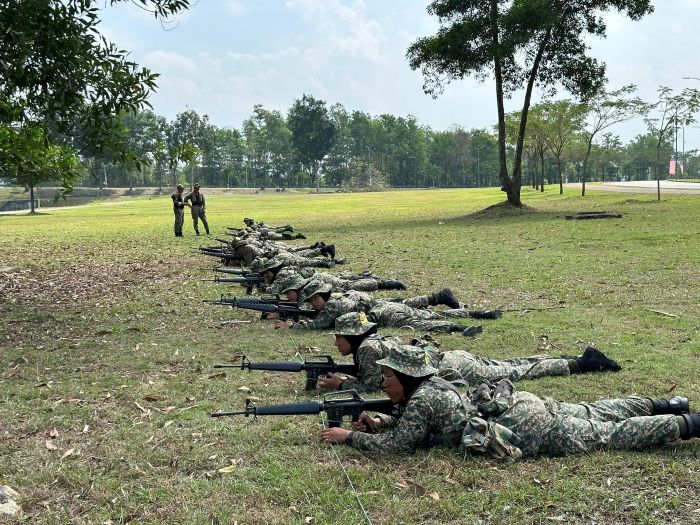
Extracurriculars Build Student Character
Translated from Malay, summarized and contextualized by DistantNews.
TLDR
- Extracurricular activities (kokurikulum) play a vital role in supporting the emotional well-being of university students, especially those from unstable family backgrounds.
- These activities help students build new identities, foster a sense of belonging, and develop crucial life skills like time management and communication.
- While not a replacement for professional counseling, extracurriculars are an essential component of a comprehensive emotional support system for students.
In Malaysia's higher education landscape, the importance of extracurricular activities in nurturing students' emotional resilience cannot be overstated. While academic pressures are widely acknowledged, this article from UiTM highlights a critical, often overlooked factor: the profound impact of students' family backgrounds on their emotional state. Many students arrive on campus carrying the weight of domestic conflicts, poor communication, or economic hardship, issues that significantly affect their psychological well-being.
kokurikulum memainkan peranan penting sebagai ruang sokongan sosial.
Kokurikulum, or extracurricular activities, emerges as a vital social support system within the university environment. It transcends mere supplementary engagement, offering a crucial avenue for emotional recovery. By participating in organized activities, students can forge positive experiences that contrast with personal struggles, helping them build a new sense of self. This is particularly significant for students who may not have had stable home environments, allowing them to redefine themselves through roles like program leaders or team members, thereby boosting self-confidence.
Melalui penglibatan aktif, mahasiswa membina pengalaman baharu yang lebih positif dan teratur berbanding kehidupan peribadi mereka.
The sense of belonging cultivated through these activities is paramount. In a university setting, being accepted into a community can significantly alleviate emotional stress, especially for those lacking robust family support. Furthermore, these activities are instrumental in developing essential life skills. Students learn to manage their time effectively, take on responsibilities, and make decisions in a structured manner, fostering a greater sense of control over their lives. This holistic development, encompassing emotional support and skill-building, is a unique strength of the Malaysian higher education approach, aiming to produce well-rounded individuals ready to face life's challenges.
Perubahan peranan ini membina keyakinan diri dan memperbaiki cara mereka melihat diri sendiri.
DistantNews Editorial
Originally published by Utusan Malaysia in Malay. Translated, summarized, and contextualized by our editorial team with added local perspective. Read our editorial standards.
More Stories


From Our Blog

What Gets Lost (and Found) When News Is Translated

The Critical Role of Diaspora Media in Global News

What Travellers Should Know About Countries with Restricted Press

A Digital Nomad's Guide to Following Local News

How the Same Story Looks Different in Different Countries
