

Extreme Heat Prompts Nationwide Emergency Protocols in Pakistan
Translated from English, summarized and contextualized by DistantNews.
TLDR
- Pakistan's National Disaster Management Authority (NDMA) has issued nationwide emergency protocols due to extreme heat.
- Hospitals are on alert, and all stakeholders are advised to implement guidelines for temperatures expected to remain above normal through June.
- Public awareness campaigns, heatstroke treatment centers, and stockpiling of emergency supplies are mandated.
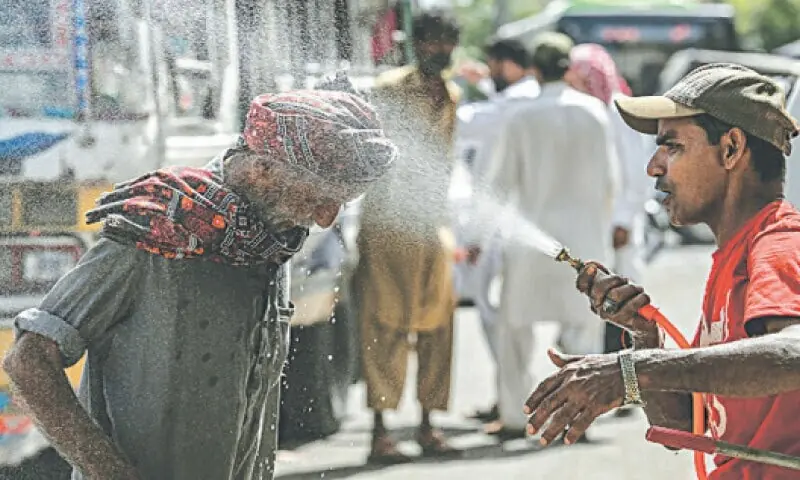
Pakistan is bracing for a severe heatwave, prompting the National Disaster Management Authority (NDMA) to issue sweeping emergency protocols across the country. With daytime temperatures predicted to remain significantly above normal from May through June, the NDMA has placed hospitals on high alert and mandated the implementation of stringent guidelines by all relevant stakeholders.
This proactive measure involves provincial and local administrations, health departments, rescue agencies, the armed forces, and federal ministries. The NDMA's Early Warning Team's forecast underscores the urgency, anticipating conditions that threaten millions. Karachi, in particular, has already experienced its hottest day of the year, with temperatures exceeding 44 degrees Celsius, exacerbating existing challenges like water shortages and power outages.
The NDMA's directives emphasize public awareness campaigns to educate citizens on the dangers of heatwaves and preventive measures. Educational institutions are instructed to protect students, potentially through schedule adjustments or temporary closures. The establishment of heatstroke treatment centers, equipped with medical staff and supplies, is a critical component of the response plan.
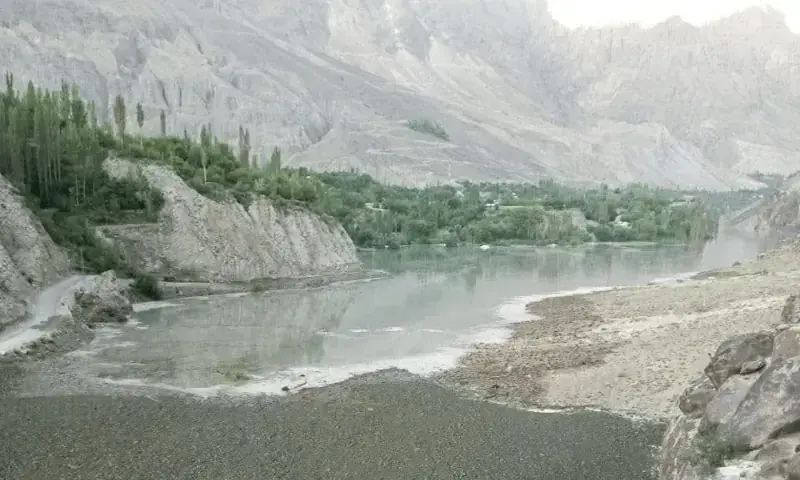
Furthermore, authorities are tasked with identifying high-risk areas and ensuring adequate stockpiles of emergency supplies, including first aid kits and rehydration salts. Vulnerable populations, such as the homeless, are to receive particular attention, with provisions for adequate shelter and hydration. In the northern regions, disaster management authorities are monitoring vulnerable sites for potential GlOF (Glacial Lake Outburst Flood) incidents, a risk amplified by the extreme heat. The NDMA also highlighted the need for vigilance against forest and urban fires, urging relevant departments to undertake preventive measures.
DistantNews Editorial
Originally published by Dawn in English. Translated, summarized, and contextualized by our editorial team with added local perspective. Read our editorial standards.
More Stories
From Our Blog

What Gets Lost (and Found) When News Is Translated

The Critical Role of Diaspora Media in Global News

What Travellers Should Know About Countries with Restricted Press

A Digital Nomad's Guide to Following Local News

How the Same Story Looks Different in Different Countries
