


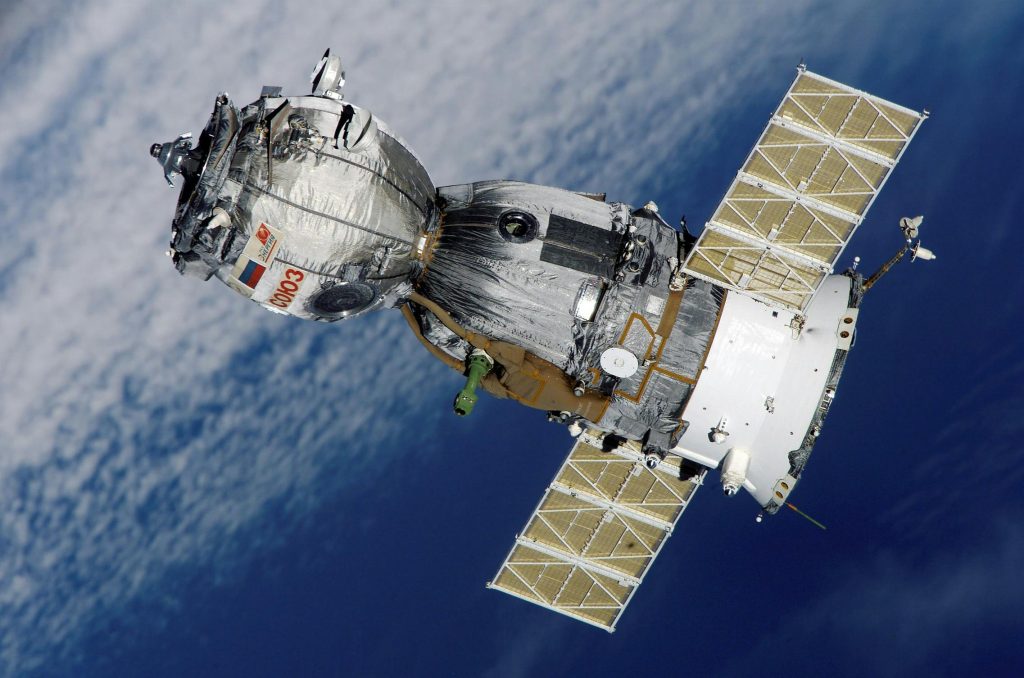
First Greek Thermal Satellites for Fire Monitoring Launched into Orbit
Translated from Greek, summarized and contextualized by DistantNews.
TLDR
- Greece has successfully launched its first thermal satellites into orbit, marking a new era for civil protection and environmental monitoring.
- The four specialized satellites, part of the "National Microsatellite Program," were deployed via SpaceX's Falcon 9 rocket and are designed for real-time fire detection and monitoring.
- Beyond fire surveillance, the satellites will provide high-accuracy data on sea surface temperatures, coastal areas, and land use, aiding decision-making in various environmental sectors.
Greece is embarking on a new chapter in its technological and environmental defense capabilities with the successful launch of its first national thermal satellites. This significant achievement, part of the "National Microsatellite Program," places Greece at the forefront of using advanced space technology for critical applications like civil protection and climate change adaptation. The deployment of these four specialized satellites via SpaceX's Falcon 9 rocket from California signifies a major leap forward for the country's space ambitions and its commitment to safeguarding its territory.
The primary mission of these satellites is to revolutionize fire detection and monitoring. Equipped with advanced thermal sensors, they will provide near real-time tracking of fire outbreaks and their progression. This capability is invaluable for Greece, a country frequently battling devastating wildfires, especially during its hot, dry summers. The data generated will be integrated into a unified operational information system, enhancing the response capabilities of emergency services and bolstering the nation's climate resilience strategy.
However, the utility of these satellites extends far beyond fire prevention. They will also furnish high-precision data on sea temperatures, coastal regions, lakes, and reservoirs, as well as various land-use categories. This comprehensive data stream will empower informed decision-making across diverse sectors, including water resource management, agriculture, environmental protection, and climate change adaptation. Furthermore, the launch also included two experimental CubeSats for Earth observation, testing innovative Greek space technologies like laser-based optical communications.
From a Greek perspective, this technological advancement is particularly resonant. It represents not just an investment in infrastructure but a strategic move to enhance national security and environmental stewardship. While international coverage might focus on the technological feat or the partnership with SpaceX, for Greece, these satellites are vital tools for protecting its natural heritage, its citizens, and its economy from the escalating threats of climate change and natural disasters. This initiative underscores Greece's proactive approach to leveraging cutting-edge technology for tangible national benefit.
Greece is acquiring a comprehensive fire monitoring system for the first time.
DistantNews Editorial
Originally published by Ta Nea in Greek. Translated, summarized, and contextualized by our editorial team with added local perspective. Read our editorial standards.
More Stories



From Our Blog

What Gets Lost (and Found) When News Is Translated

The Critical Role of Diaspora Media in Global News

What Travellers Should Know About Countries with Restricted Press

A Digital Nomad's Guide to Following Local News

How the Same Story Looks Different in Different Countries
