

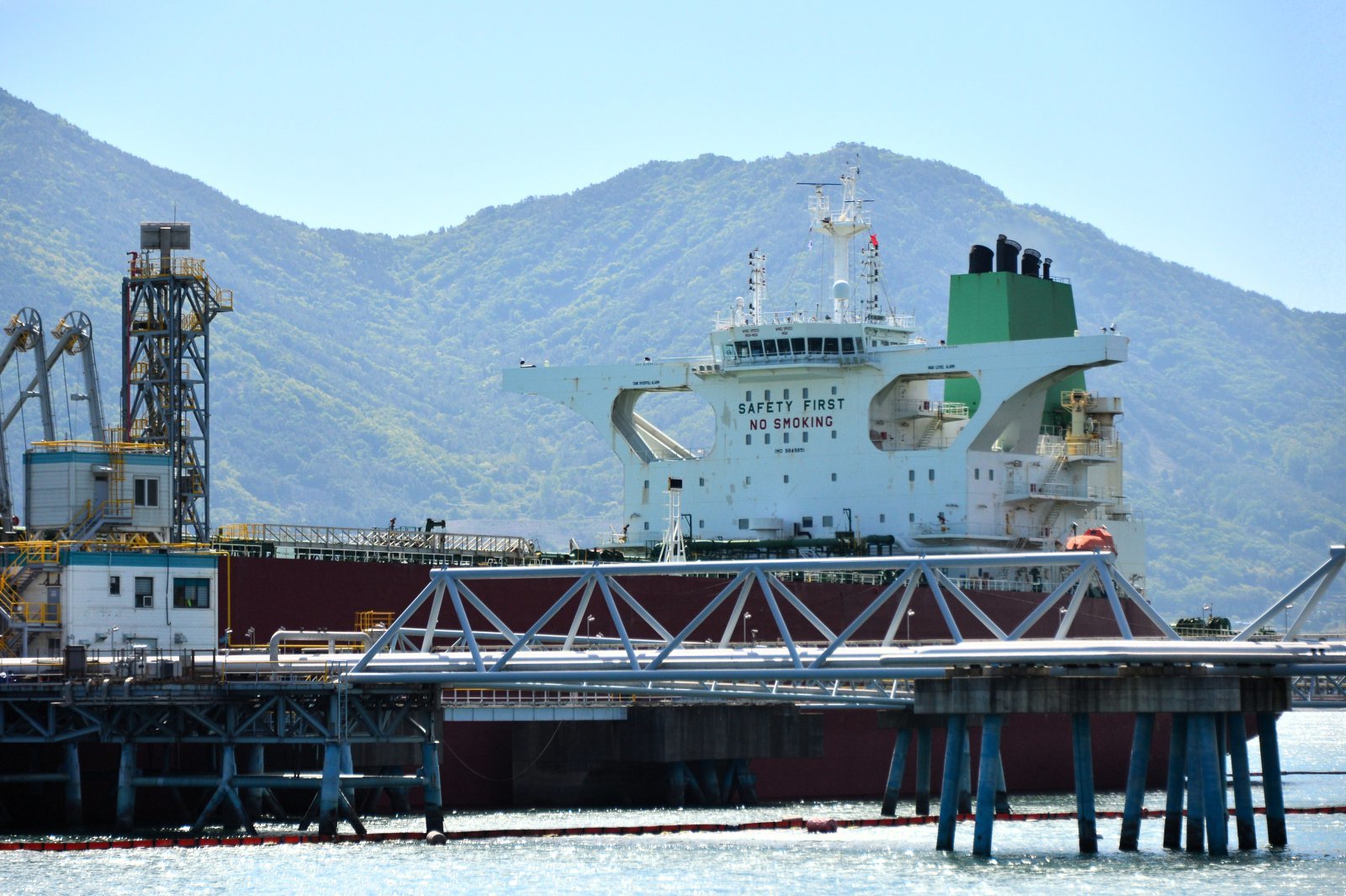

Fourth Korean oil tanker safely passes through Red Sea
Translated from Korean, summarized and contextualized by DistantNews.
TLDR
- A South Korean oil tanker has successfully navigated the Red Sea, marking the fourth such passage by a Korean vessel using the route that bypasses the Strait of Hormuz.
- The Ministry of Oceans and Fisheries confirmed the safe transit, emphasizing continuous monitoring and support for the vessel and its crew.
- This route has been utilized since March 17th as an alternative for transporting crude oil from Saudi Arabia following disruptions in the Strait of Hormuz.
South Korea's maritime security and economic stability remain paramount, especially concerning energy imports. The successful transit of a fourth oil tanker through the Red Sea, bypassing the volatile Strait of Hormuz, is a significant development that underscores our nation's proactive measures to ensure a stable energy supply.
The Ministry of Oceans and Fisheries has been diligently monitoring the situation, providing 24-hour real-time support to our vessels navigating these challenging waters. This commitment to safety, including maintaining constant communication with ships and shipping companies, is crucial in mitigating risks associated with regional tensions.
As of 11 a.m. on the 8th, a fourth Korean vessel is safely passing through the Red Sea and transporting crude oil to Korea. However, specific information related to the vessel cannot be disclosed due to safety threats.
Our reliance on crude oil imports makes routes like the Red Sea passage critical. The fact that we have successfully utilized this alternative route since March 17th, bringing in oil from Saudi Arabia, demonstrates our adaptability and resilience in the face of geopolitical instability. The safe arrival of the first tanker at the GS Caltex terminal in Yeosu on March 7th was a tangible success of these efforts.
From a South Korean perspective, this is not just about oil transport; it's about safeguarding our economic lifeline. While international news may focus on the broader geopolitical implications, for us, it's about the practical, everyday assurance that our industries and households will have the energy they need. This successful navigation highlights the effectiveness of our national maritime strategies and our capacity to manage complex international transit routes.
During the vessel's navigation through the Red Sea, we provided 24-hour real-time monitoring, navigation safety information, and maintained real-time communication channels with the ministry, shipping companies, and the vessel to support the safety of our ships and crew. We will continue to do our best to stabilize the domestic crude oil supply.
DistantNews Editorial
Originally published by Hankyoreh in Korean. Translated, summarized, and contextualized by our editorial team with added local perspective. Read our editorial standards.
More Stories



From Our Blog

What Gets Lost (and Found) When News Is Translated

The Critical Role of Diaspora Media in Global News

What Travellers Should Know About Countries with Restricted Press

A Digital Nomad's Guide to Following Local News

How the Same Story Looks Different in Different Countries
