


Oil Tankers Arrive in South Korea, Navigating Middle East Tensions
Translated from Korean, summarized and contextualized by DistantNews.
TLDR
- Two oil tankers carrying a total of 3 million barrels of crude oil have arrived in South Korea, navigating through or around the Strait of Hormuz amid regional instability.
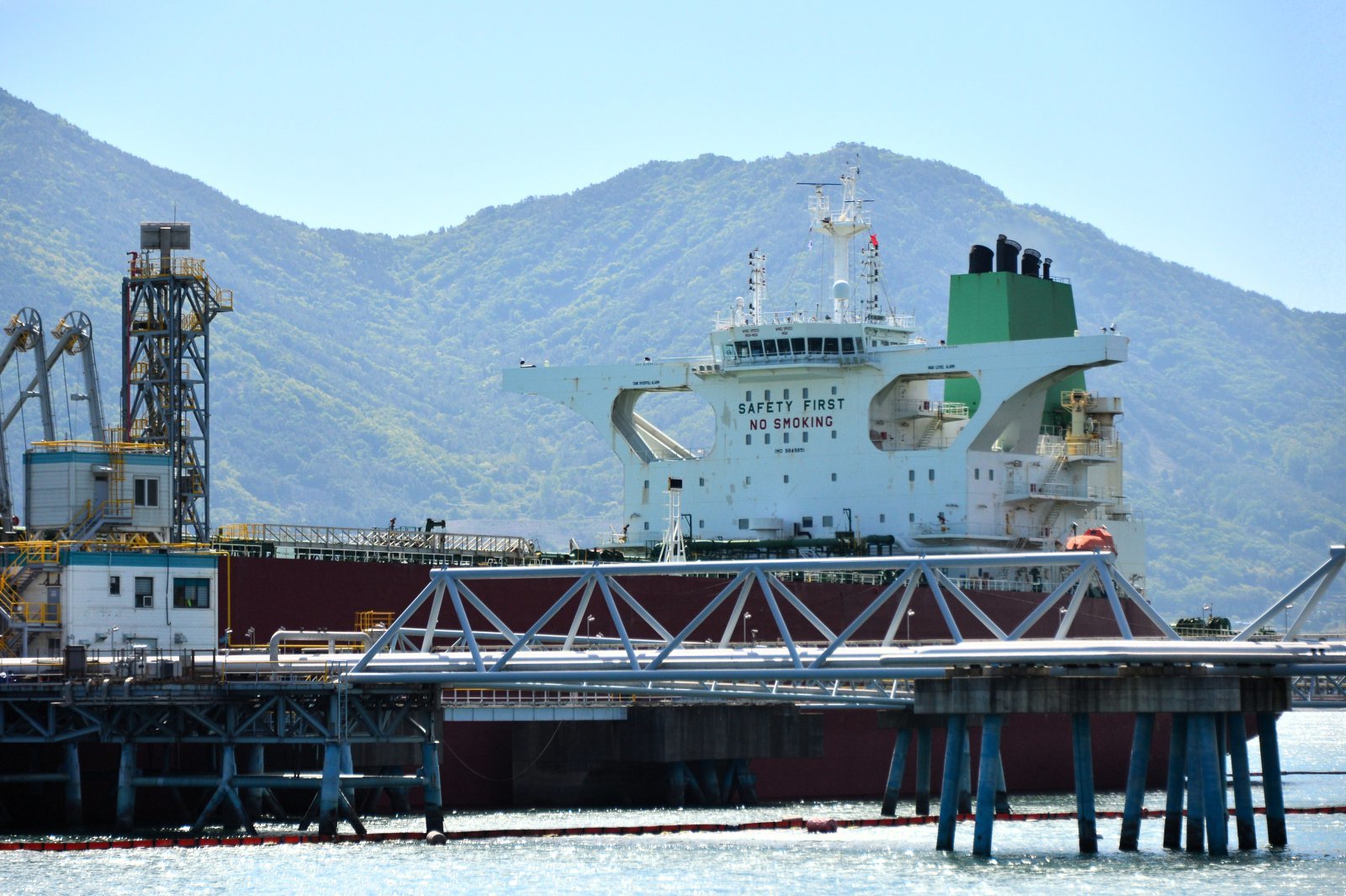
- The 'Odessa' tanker arrived off the coast of Seosan, South Chungcheong Province, carrying 1 million barrels, having passed through the Strait of Hormuz before its potential closure.
- Another tanker, which took an alternative route via the Red Sea to avoid the blocked Strait of Hormuz, arrived in Yeosu, South Jeolla Province, carrying 2 million barrels.
The arrival of these oil tankers, particularly the 'Odessa' and the one that navigated the Red Sea, highlights South Korea's vulnerability and resilience in the face of escalating Middle Eastern tensions. As a nation heavily reliant on imported energy, securing stable oil supplies is paramount, and these successful deliveries, achieved by either timely passage through the Strait of Hormuz or by finding alternative routes, are a significant relief.
The Odessa passed through the Strait of Hormuz on the 13th of last month, just before Iran blocked the Strait of Hormuz again.
The 'Odessa's' timely departure from the Strait of Hormuz just before potential closure underscores the precariousness of global energy transit routes. This event, while a success for South Korea's energy security, serves as a stark reminder of how quickly geopolitical conflicts can impact vital supply chains. The successful unloading of 1 million barrels is not just a commercial transaction; it's a testament to the strategic planning and perhaps a bit of luck involved in navigating these volatile waters.
The oil tanker arrived on the morning of the 8th, off the coast of Seosan, South Chungcheong Province.
Furthermore, the successful transit via the Red Sea by the second tanker marks a crucial precedent. It demonstrates that alternative routes, though potentially longer or more complex, can be viable during times of crisis. This adaptability is key for South Korea's energy independence and showcases the industry's capacity to respond to geopolitical challenges. The 2 million barrels it carries are vital for maintaining domestic energy reserves and economic stability.
The tanker is scheduled to unload 1 million barrels of crude oil at the HD Hyundai Oilbank offshore mooring facility, about 5 kilometers from land, on the afternoon of the same day.
From a South Korean perspective, these events are covered with a mix of relief and underlying concern. While the successful deliveries are celebrated as a win for national security and economic stability, the underlying threat of conflict in the Middle East remains a constant worry. The media here emphasizes the strategic importance of these shipments and the potential consequences should such routes be permanently disrupted. This story is uniquely interesting locally because it directly impacts the daily lives and economic well-being of every South Korean, far more than it might be perceived in countries with more diversified or domestic energy sources.
The oil tanker that departed from Yanbu Port in Saudi Arabia in mid-April arrived in Yeosu the previous night.
DistantNews Editorial
Originally published by Hankyoreh in Korean. Translated, summarized, and contextualized by our editorial team with added local perspective. Read our editorial standards.
More Stories


From Our Blog

What Gets Lost (and Found) When News Is Translated

The Critical Role of Diaspora Media in Global News

What Travellers Should Know About Countries with Restricted Press

A Digital Nomad's Guide to Following Local News

How the Same Story Looks Different in Different Countries
