

France's Climate Battle: Heatwave Fuels Debate Over Air Conditioning
Translated from German, summarized and contextualized by DistantNews.
At a glance
Analysis
Sources not specified
Context piece
- France is grappling with the aftermath of a severe heatwave, which caused a significant increase in daily deaths and overwhelmed hospital emergency rooms.
- The heatwave also disrupted critical infrastructure, including underground power lines and nuclear reactors, due to rising temperatures and water levels.
- Amidst the crisis, the far-right Rassemblement National party is advocating for widespread air conditioning as a solution, proposing a costly national plan that raises questions about funding and feasibility.
France is facing a critical juncture following an eleven-day heatwave that pushed the country to the brink of an "exceptional state." The extreme temperatures, with many areas exceeding 40 degrees Celsius, led to a stark increase in daily fatalities, estimated at 20 to 40 percent higher than in previous months. Hospital emergency rooms reported a surge in patient intake, up to two-thirds more than usual, forcing some hospitals to reallocate staff from non-essential departments like dermatology and diabetes to cope with the influx.
The heatwave's impact extended to vital infrastructure. Underground power lines failed under temperatures reaching up to 90 degrees Celsius, and several nuclear reactors had to be shut down because their cooling water would have heated rivers to nearly 30 degrees Celsius. President Emmanuel Macron is facing growing criticism for not adequately preparing the nation for the increasing frequency of extreme weather events during his nine years in office.
It is nonsense to be against air conditioning. Innovation will allow systems that consume less energy over time. It is obvious that one cannot live without air conditioning.
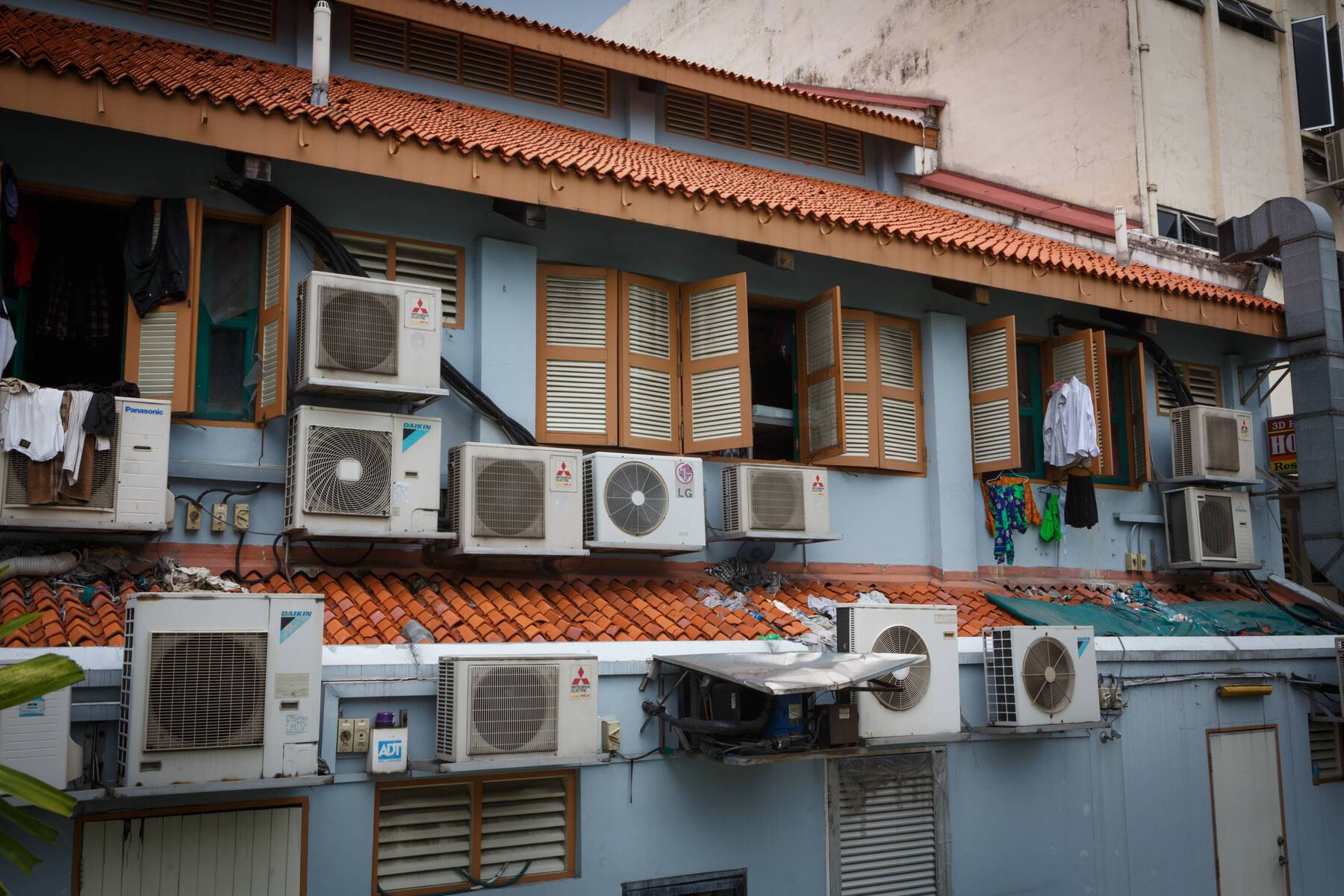
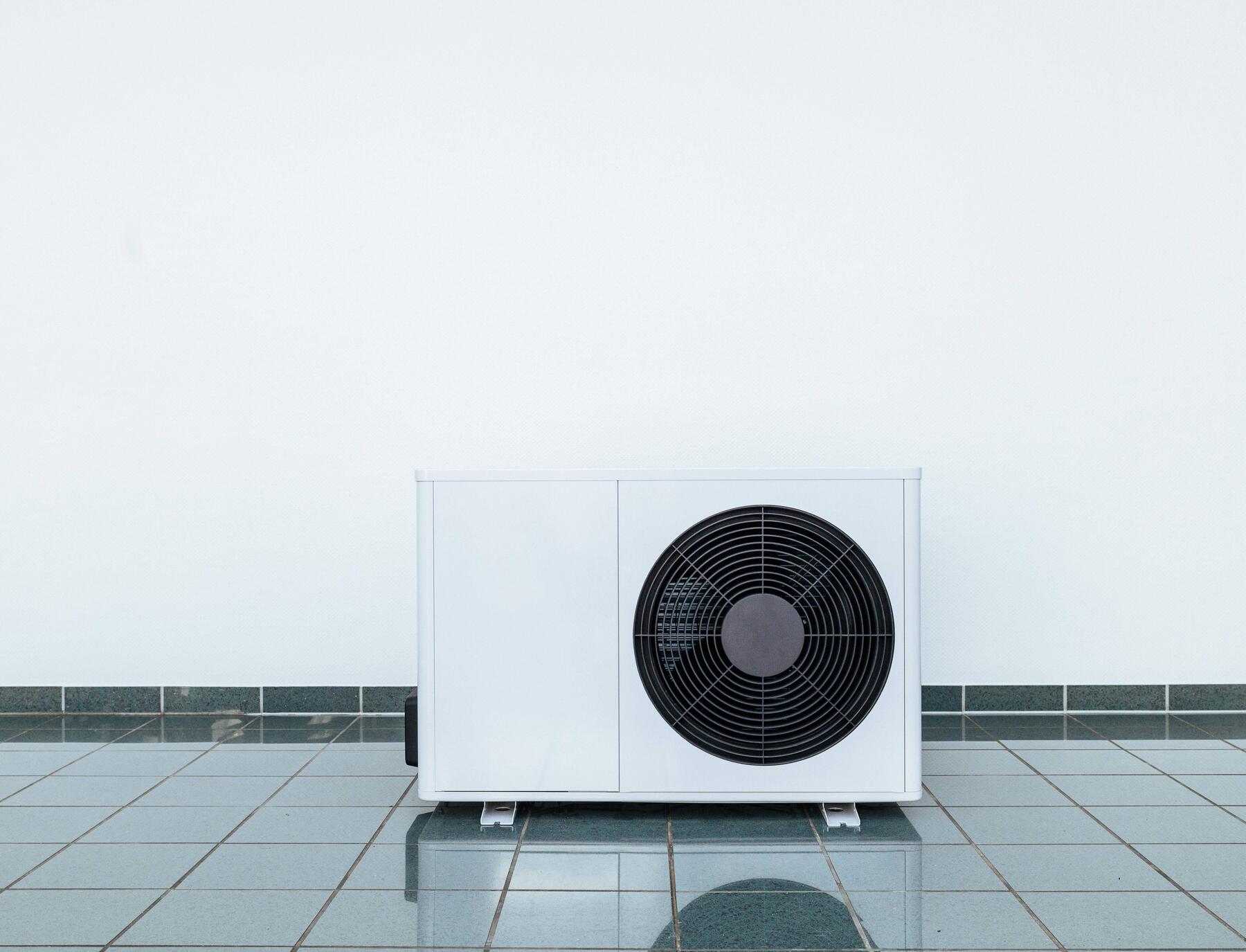
Meanwhile, the Rassemblement National party, which has historically downplayed climate research, is capitalizing on the crisis. They are strongly promoting air conditioning as the primary solution to rising temperatures, proposing a nationwide system. The party seeks 40 billion euros in interest-free loans for this initiative, though the funding mechanism remains vague. This proposal comes as France already carries the third-highest debt ratio in the Eurozone, with a deficit higher than post-pandemic levels.
Despite the controversy, there is a growing consensus in France that increased air conditioning is necessary. Even Nobel laureate Philippe Aghion acknowledged that living without air conditioning will become impossible, though he emphasized the need for energy-efficient innovations. The Green party's stance has also softened, with leader Marine Tondelier admitting that air conditioning is unavoidable in some places. Similar debates are emerging in other European countries, with parties like Germany's AfD and Austria's FPÖ also engaging in the discussion around air conditioning solutions.
There are places where one can no longer do without air conditioning.
DistantNews Editorial
Originally published by Die Presse in German. Translated, summarized, and contextualized by our editorial team with added local perspective. Read our editorial standards.
More Stories


From Our Blog

What Gets Lost (and Found) When News Is Translated

The Critical Role of Diaspora Media in Global News

What Travellers Should Know About Countries with Restricted Press

A Digital Nomad's Guide to Following Local News

How the Same Story Looks Different in Different Countries
