

France to Phase Out Gas Boilers After 2030; Hungary Eyes Slower Transition
Translated from Hungarian, summarized and contextualized by DistantNews.
TLDR
- France plans to phase out gas boilers after 2030 due to emissions regulations, with new installations banned in new buildings.
- While mixed-fuel boilers can remain for now, coal and fossil fuel-based boilers will be gradually phased out.
- Hungary anticipates a slower transition due to its infrastructure, with gas remaining dominant for a longer period, while electric and renewable solutions like heat pumps gain support.
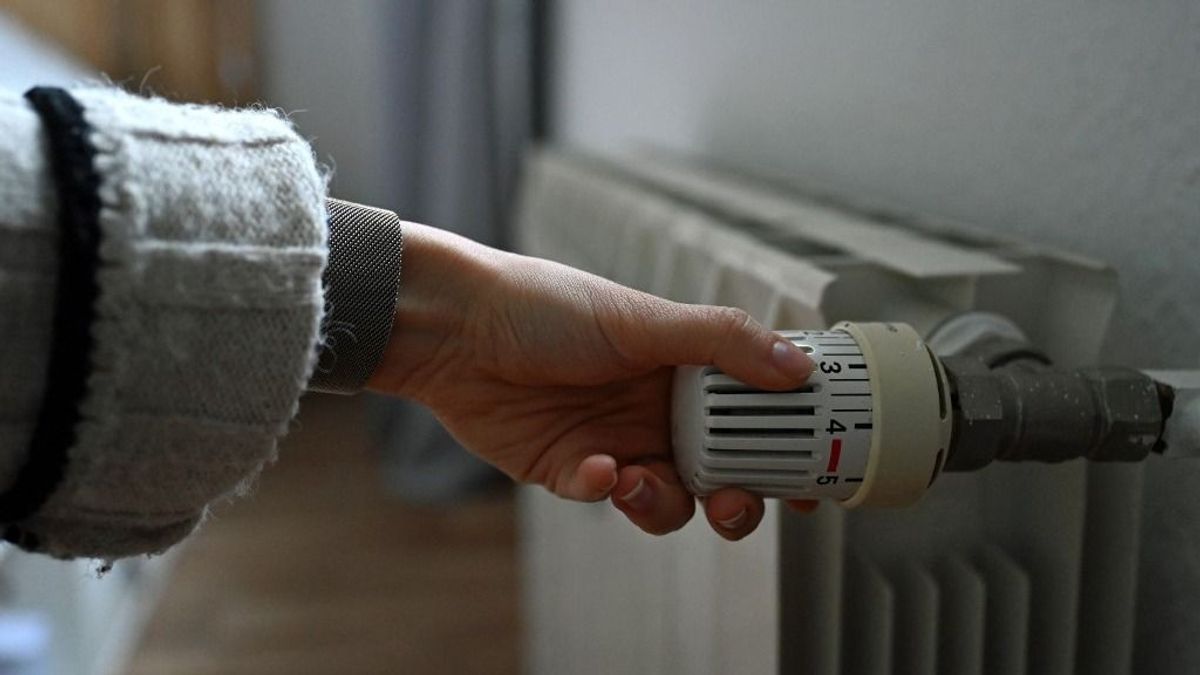
France is taking a decisive step towards decarbonizing its heating systems by planning to phase out gas boilers after 2030. This move aligns with the EU's broader goal of ensuring that only zero-emission buildings can be constructed in member states from 2030 onwards. While mixed-fuel boilers might persist for a while, those relying on coal or fossil fuels will gradually disappear from the market. Crucially, new installations of gas boilers will be prohibited in new buildings, signaling a clear shift away from fossil fuel dependency in the residential sector.
In Hungary, a similar, albeit slower, transition is expected. Somosi Zoltán highlighted that due to existing infrastructure, natural gas is likely to remain the dominant energy source for heating for a considerable time. Consequently, the phase-out of gas boilers in Hungary is anticipated to be a gradual process. This contrasts with the more rapid changes envisioned in France, reflecting differing national contexts and energy landscapes.
Instead, Hungary is focusing on promoting alternative heating solutions. Increased support is expected for electric and renewable energy sources, particularly heat pumps and geothermal energy. These technologies are poised to play a significant role in both individual home heating and district heating systems. The aim is to gradually replace gas-based heating methods, aligning with both EU directives and national climate objectives. While the timeline may differ, the direction is clear: a move towards more sustainable and environmentally friendly heating solutions across Europe.
DistantNews Editorial
Originally published by Magyar Nemzet in Hungarian. Translated, summarized, and contextualized by our editorial team with added local perspective. Read our editorial standards.
More Stories


From Our Blog

Countries Without a Free Press: What You Need to Know

What Press Freedom Means for the News You Read

What Gets Lost (and Found) When News Is Translated

The Critical Role of Diaspora Media in Global News

What Travellers Should Know About Countries with Restricted Press
