

From Anubis to Timmy: Animal Images Between Myth, Science, and Pity
Translated from German, summarized and contextualized by DistantNews.
TLDR
- The article explores the historical and cultural significance of animal imagery, particularly horses, in human society.
- It examines how human perceptions of animals have evolved from mythological and religious interpretations to scientific objectification and empathetic coexistence.
- The piece discusses the tension between the scientific conception of animals as objects and the cultural perception of them as fellow beings, especially in the context of the ecological crisis.
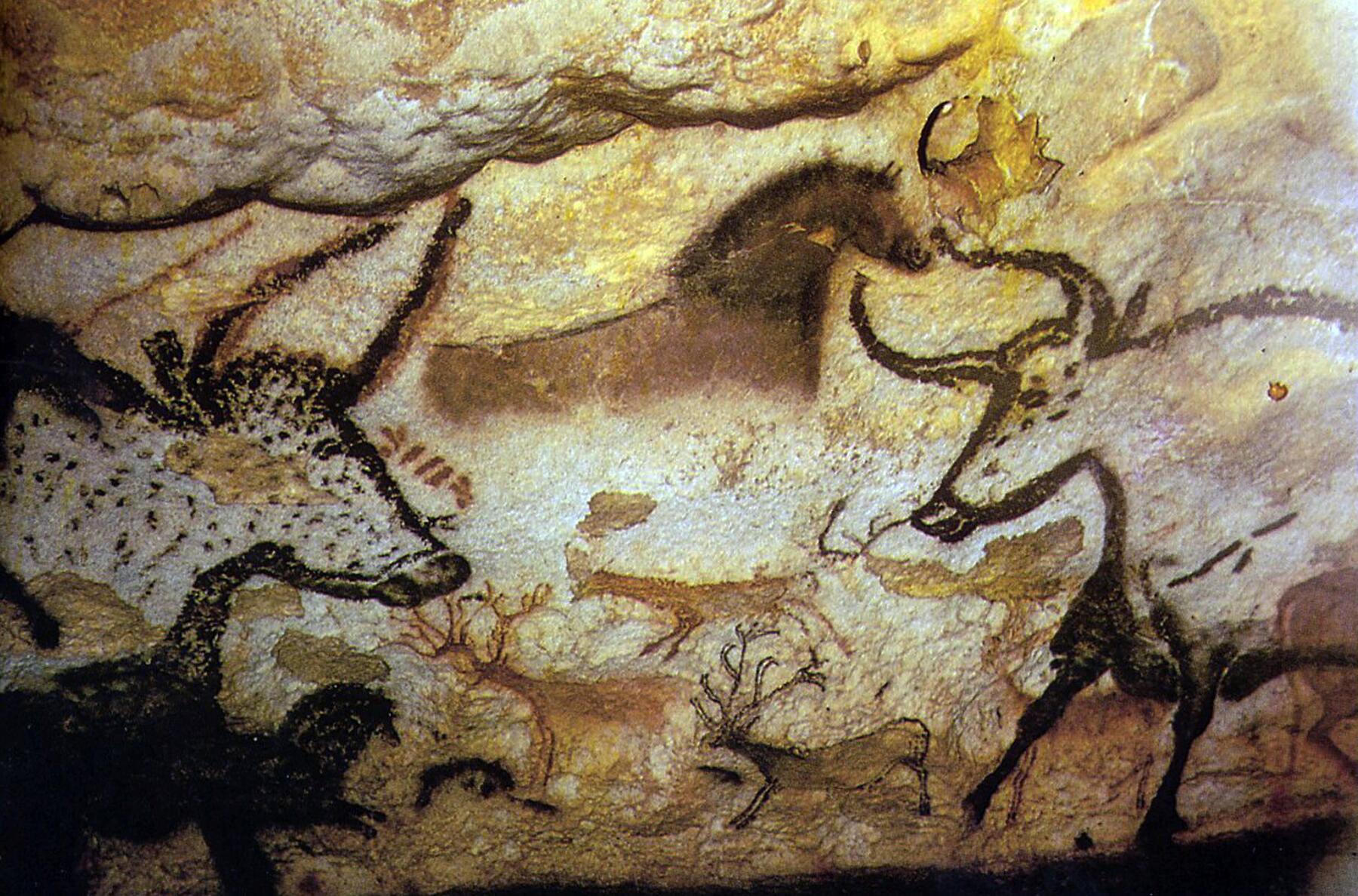
The Die Presse, a respected Austrian newspaper, delves into a fascinating exploration of humanity's relationship with animals as depicted through art and culture. The article, drawing on insights from Bernd Hüppauf's new book, "Auf dem Weg zum Tier," traces the evolution of animal imagery from prehistoric cave paintings to modern interpretations.
Horses are the most popular motif in animal painting. Naturally, the pictures always tell of the wishes and interests of humans, not of those of the horses.
It highlights how horses, in particular, have been a recurring motif, reflecting human desires and interests rather than the animals' own. This human tendency to capture animals visually, as the article points out, has historically positioned them as useful, subordinate, and even as mere machines or raw materials. Yet, simultaneously, animals have populated the human imagination as mythical beings since the Stone Age.
The Enlightenment had no room for the non-rational.
The piece contrasts the ancient Egyptian reverence for animals, where they were linked to the divine, with their diminished role in monotheistic religions and their transformation into allegories in the Christian Middle Ages. The Enlightenment's emphasis on rationality, the article argues, led to the creation of the "zoological animal," a scientific construct that stripped away the non-rational aspects previously associated with animals.
We deduce from later times that animals were gods from the beginning and had magical powers. In rituals and incantations, they gained a position in society.
This division between the scientific view of animals as objects for research and the cultural perception of them as fellow beings with whom we share our world has persisted since Descartes. However, the article suggests, this dichotomy is gaining new urgency in the face of the current ecological crisis. The animal, it seems, is disrupting the order of modernity, forcing a re-evaluation of our long-held perspectives.
The animal disrupts the order of modernity.
DistantNews Editorial
Originally published by Die Presse in German. Translated, summarized, and contextualized by our editorial team with added local perspective. Read our editorial standards.
More Stories



From Our Blog

What Gets Lost (and Found) When News Is Translated

The Critical Role of Diaspora Media in Global News

What Travellers Should Know About Countries with Restricted Press

A Digital Nomad's Guide to Following Local News

How the Same Story Looks Different in Different Countries
