


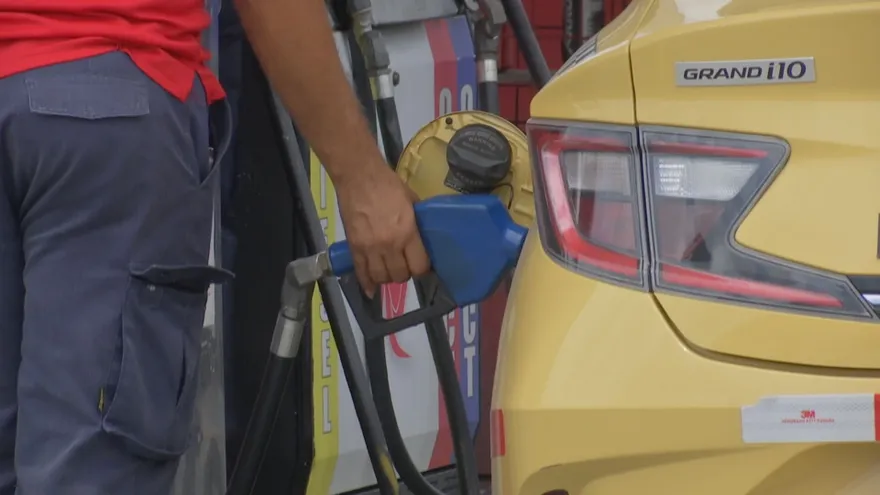
Fuel subsidy: MEF adjusts transport costs and weekly caps
Translated from Spanish, summarized and contextualized by DistantNews.
TLDR
- Panama's Ministry of Economy and Finance has adjusted fuel subsidy amounts and weekly caps following a rise in gasoline prices and a fall in diesel prices.
- The new regulations, effective May 1, 2026, set new maximum prices for 91 and 95 octane gasoline and low-sulfur diesel.
- The ministry reiterated that the subsidy program remains focused, transparent, and within fiscal responsibility limits, warning against misuse.
Panama's government, through the Ministry of Economy and Finance (MEF), has once again demonstrated its commitment to managing the economic impact of global oil price volatility. The recent adjustment of fuel subsidy amounts and weekly caps, detailed in Ministerial Resolution N.° MEF-RES-2026-1552, reflects a dynamic approach to stabilizing fuel costs for transport workers. This measure, directly linked to the ongoing crisis in the Middle East, shows Panama's proactive stance in protecting its citizens from external economic shocks.
The decision to adjust the subsidy reflects a careful analysis of market trends. The observed drop in low-sulfur diesel prices, contrasted with an increase in 91 and 95 octane gasoline prices, necessitates a recalibration of the support mechanism. The MEF's adherence to a bi-weekly adjustment cycle, based on maximum retail prices set by the National Energy Secretariat, ensures that the subsidy remains responsive to real-time market conditions. Minister Felipe E. Chapman's assurance that the program is "focalized, transparent, and within the limits of the Fiscal Social Responsibility Law" highlights the government's dedication to fiscal prudence while providing essential support.
Furthermore, the reinforced controls against the misuse of subsidized fuel underscore Panama's commitment to ensuring that public funds are used effectively and for their intended purpose. The warning of immediate suspension or cancellation of access to the program, along with potential administrative, civil, or criminal sanctions, sends a clear message to any who might seek to exploit the system. The government's firm refusal to eliminate weekly consumption caps, citing the risk of diversion to private vehicles, reinforces its responsible management of this temporary stabilization mechanism. This measured approach, balancing economic support with fiscal discipline and regulatory oversight, is crucial for Panama's continued economic stability.
The program will remain focused, transparent, and within the limits of the Fiscal Social Responsibility Law.
DistantNews Editorial
Originally published by TVN Panamá in Spanish. Translated, summarized, and contextualized by our editorial team with added local perspective. Read our editorial standards.
More Stories
From Our Blog

What Gets Lost (and Found) When News Is Translated

The Critical Role of Diaspora Media in Global News

What Travellers Should Know About Countries with Restricted Press

A Digital Nomad's Guide to Following Local News

How the Same Story Looks Different in Different Countries
