


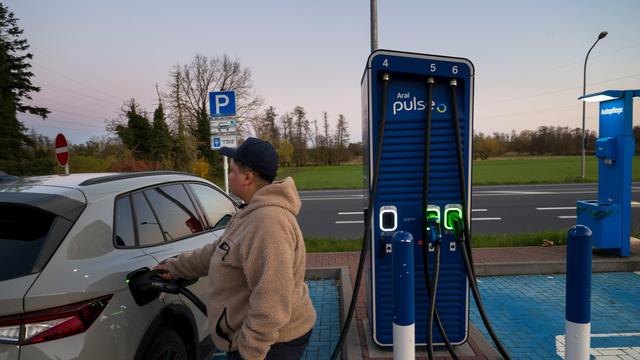
German Associations Demand Efficient E-Charging Station Checks, Citing EU Law
Translated from German, summarized and contextualized by DistantNews.
TLDR
- Industry associations, including the ADAC and ZVEI, are calling for the abolition of German special regulations for the inspection of e-charging stations.
- They advocate for the implementation of EU directives to make inspections more efficient and cost-effective, criticizing current German rules for causing millions in costs.
- The associations suggest measures like random checks by manufacturers for private charging stations and eliminating repeat inspections after qualified service providers replace cables to reduce costs and downtime.
A coalition of German automotive and consumer associations, led by the ADAC and the ZVEI (German Electrical and Electronics Industry Association), is pushing for a significant reform in the inspection of electric vehicle charging stations. The core of their demand is to scrap Germany's unique, and according to them, overly costly, national regulations and instead adopt the existing European Union directives into German law. This move, they argue, would streamline the process, making it both more efficient and significantly cheaper for operators and, ultimately, consumers.
Das Verbändebündnis kritisiert, dass die Kontrollen der E-Ladesäulen nach deutschem Mess- und Eichrecht Millionenkosten verursachen.
The current German inspection regime, particularly the mandatory recalibrations, is criticized for generating millions in unnecessary costs. The associations highlight that these frequent recalibrations, often triggered by minor events like cable replacements or even after thefts, lead to increased electricity prices at charging points and render the stations unusable during the inspection periods. They propose that routine recalibrations for private charging stations could be handled through random checks conducted by the manufacturers themselves, thereby eliminating the need for repeated, costly official inspections.
Die Prüfungen könnten ohne Nachteile für den Nutzerschutz effizienter durchgeführt werden.
With Germany boasting approximately 200,000 public and 50,000 fast-charging points, the potential savings from a more efficient inspection system are substantial. The associations believe that user protection can be maintained without the current stringent and expensive procedures. This push for harmonization with EU standards reflects a broader trend in Germany to reduce bureaucratic hurdles and align national practices with European regulations, aiming to foster the growth of the electric mobility sector by making infrastructure more accessible and affordable.
Etwa könnten die turnusmäßigen Nacheichungen von privaten Ladestationen stichprobenartig durch die Hersteller erfolgen.
DistantNews Editorial
Originally published by Die Zeit in German. Translated, summarized, and contextualized by our editorial team with added local perspective. Read our editorial standards.
More Stories


From Our Blog

What Gets Lost (and Found) When News Is Translated

How the Same Story Looks Different in Different Countries

The Critical Role of Diaspora Media in Global News

What Travellers Should Know About Countries with Restricted Press

A Digital Nomad's Guide to Following Local News
