

Germany Leads Europe in Plastic Waste Exports, Sparking Environmental Alarms
Translated from Polish, summarized and contextualized by DistantNews.
TLDR
- Germany was the world's largest exporter of plastic waste in 2025, sending over 810,000 tons abroad, according to new analysis.
- The UK followed as the second-largest exporter, with a significant portion of European plastic waste ending up in countries like Turkey, Malaysia, and Indonesia.
- Experts warn that this export practice has severe environmental consequences and exposes deep flaws in Europe's waste management systems, despite upcoming EU export bans.
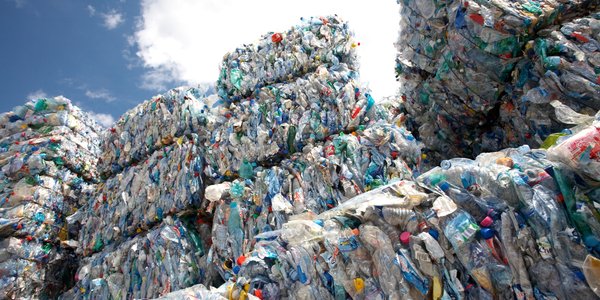
A recent analysis by Watershed Investigations and Basel Action Network paints a grim picture of Europe's plastic waste crisis, with Germany shamefully leading the pack as the world's largest exporter of plastic refuse. In 2025 alone, Germany shipped over 810,000 tons of plastic waste, a staggering figure that underscores a profound failure in domestic waste management and recycling infrastructure. The United Kingdom is not far behind, ranking second in this detrimental global trade.
This export of waste, primarily directed towards countries like Turkey, Malaysia, and Indonesia, carries severe environmental and social costs. As highlighted by Turkish marine biologist Sedat Gündoğdu, the Mediterranean coast of Turkey is becoming heavily polluted, with plastic waste from recycling plants impacting marine ecosystems and even making coastal areas unusable for recreation. This practice not only externalizes environmental damage but also raises concerns about labor rights and illegal dumping in recipient nations, which often lack the capacity to handle such volumes.
Tureckie wybrzeże Morza Śródziemnego jest najbardziej zanieczyszczonym wybrzeżem w całym regionie z powodu odpadów plastikowych z zakładów recyklingu. Ilość mikroplastiku jest ogromna – czasami ludzie nie mogą nawet wejść do morza przez zalegające odpady
While the European Union has taken steps, such as the upcoming ban on plastic waste exports to non-OECD countries from November 2026, the current situation is alarming. Experts fear that the ban will merely redirect the flow of waste to other developing nations within the OECD, such as Turkey, or to Eastern European countries ill-equipped to manage it. Rzeczpospolita views this situation with grave concern, as it reveals a systemic issue where ambitious recycling targets incentivize exporting the problem rather than solving it domestically. Germany's position as the top exporter is not just an economic statistic; it's a moral and environmental failing that demands immediate and comprehensive action beyond superficial regulatory changes.
Kraj (Turcja – przyp. red.) generuje 3,3 mln ton odpadów plastikowych rocznie, co stanowi ponad dwukrotność naszych możliwości recyklingu
DistantNews Editorial
Originally published by Rzeczpospolita in Polish. Translated, summarized, and contextualized by our editorial team with added local perspective. Read our editorial standards.
More Stories



From Our Blog

What Gets Lost (and Found) When News Is Translated

The Critical Role of Diaspora Media in Global News

What Travellers Should Know About Countries with Restricted Press

A Digital Nomad's Guide to Following Local News

How the Same Story Looks Different in Different Countries
