


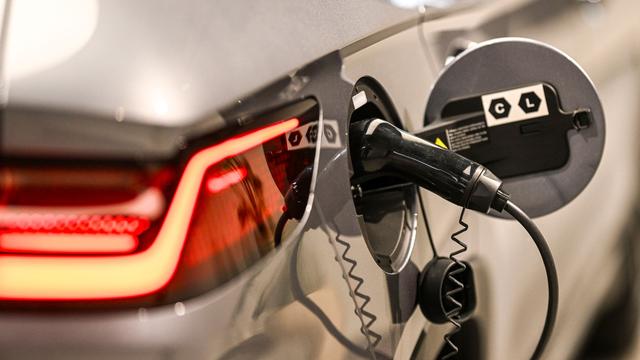
Germany's electric car sales soar thanks to subsidies, Chinese makers profit
Translated from German, summarized and contextualized by DistantNews.
At a glance
News
Documents & data
New plan
- Sales of electric cars in Germany surged by nearly 62% in July compared to the previous year, driven by federal subsidies.
- Electric vehicles (BEVs) accounted for 29.3% of all new registrations last month.
- Chinese manufacturers, particularly BYD, are significantly benefiting from the e-car boom, with BYD sales increasing by 365% year-on-year.
Germany's electric car market experienced a significant boom in July, with new registrations of purely electric cars (BEVs) increasing by almost 62% compared to the same month last year. This surge is largely attributed to federal subsidies aimed at promoting electromobility.
In July, over 78,600 new BEVs hit the roads, representing 29.3% of all new vehicle registrations. This strong growth accelerates the adoption of electric mobility in Germany. However, automotive expert Constantin Gall from the consulting firm EY noted that the domestic automotive industry is seeing only limited benefits from this trend.
Instead, Chinese manufacturers are emerging as major beneficiaries of the electric car boom. Data from the Federal Motor Transport Authority (KBA) shows that Chinese manufacturer BYD recorded 5,240 new car registrations in Germany in July, a staggering increase of 365% compared to July of the previous year.
Overall, the high demand for electric vehicles has stimulated the broader new car market. The KBA reported a 1.2% increase in total new car registrations in July, reaching approximately 268,000 passenger cars compared to the previous year.
The strong growth in electric cars, while accelerating the ramp-up of electromobility in Germany, has so far only brought limited benefits to the domestic automotive industry.
DistantNews Editorial
Originally published by Die Zeit in German. Translated, summarized, and contextualized by our editorial team with added local perspective. Read our editorial standards.
More Stories


From Our Blog

What Gets Lost (and Found) When News Is Translated

How the Same Story Looks Different in Different Countries

The Critical Role of Diaspora Media in Global News

What Travellers Should Know About Countries with Restricted Press

A Digital Nomad's Guide to Following Local News
