

Ghalibaf Warns of Fuel Price Surge: 'You'll Soon Miss $4-$5 Gas' Amid Hormuz Blockade Fears
Translated from Greek, summarized and contextualized by DistantNews.
TLDR
- Iranian Parliament Speaker Mohammad Bagher Ghalibaf warned of impending fuel price hikes due to international pressure and the "blockade" of the Strait of Hormuz, suggesting current prices will soon seem low.
- The US is reportedly implementing a blockade to curb Iran's oil revenue and pressure its economy, potentially making US forces more vulnerable to Iranian attacks.
- Global inflation is rising, with the IMF predicting a downgrade in global growth forecasts.
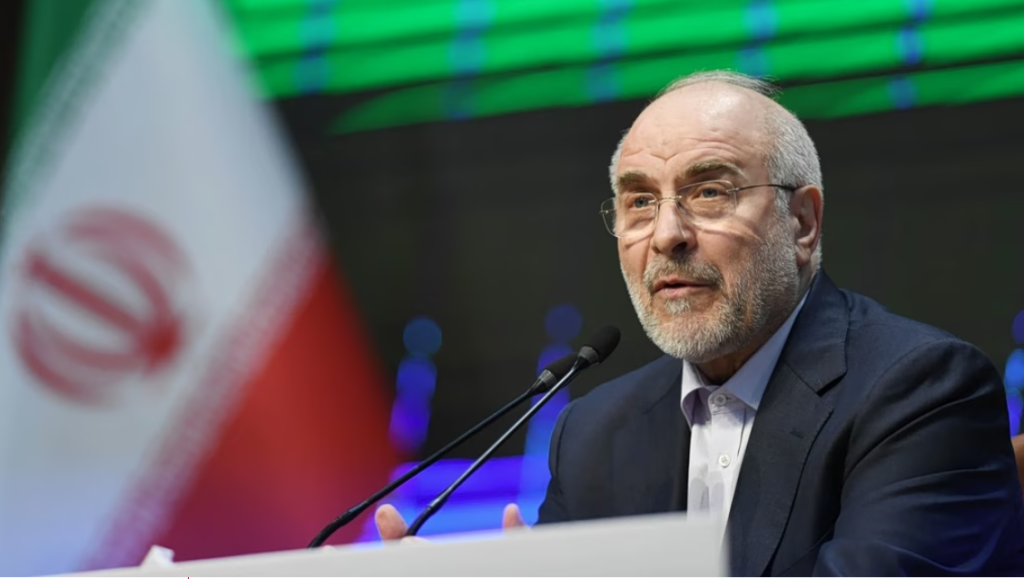
Tehran is sounding the alarm, with Parliament Speaker Mohammad Bagher Ghalibaf issuing a stark warning to the world: brace yourselves for significantly higher fuel prices. Ghalibaf's message, delivered via social media, suggests that the current cost of gasoline, which may already seem high to many, will soon be a nostalgic memory. He attributes this impending surge directly to international pressures and what he terms the 'blockade' of the vital Strait of Hormuz, implying that global energy markets are on the cusp of a major disruption.
Soon you’ll be nostalgic for $4–$5 gas.
The context for Ghalibaf's warning appears to be a reported move by the US to implement a blockade aimed at crippling Iran's oil revenue and exerting economic pressure. This strategy, however, carries inherent risks. While it seeks to curtail Iran's ability to profit from its oil exports and potentially charge for safe passage through the Strait of Hormuz, it also exposes US forces to increased vulnerability to potential Iranian retaliatory actions. The situation highlights the delicate balance of power and the potential for escalation in the region.
The ripple effects of such a blockade are not confined to the Middle East. The article points to growing discontent among American citizens regarding rising prices for gasoline, food, and housing. This surge in energy costs is a significant contributor to escalating inflation, which reached 3.3% in March, impacting the broader US economy. The IMF has also weighed in, with Managing Director Kristalina Georgieva cautioning that global energy prices will take considerable time to stabilize, even if a ceasefire is achieved, and that the IMF anticipates downgrading global growth forecasts due to the ongoing conflict.
The blockade will not impede neutral transit passage through the Strait of Hormuz to or from non-Iranian destinations.
This situation underscores the interconnectedness of global energy markets and geopolitical stability. Iran's actions and the international response are creating a volatile environment where economic consequences are felt worldwide. The warning from Tehran is not just about fuel prices; it's a signal of the potential for wider economic instability and a challenge to the existing international order.
We will need some time, yes, and even more so for regions that are experiencing greater disruption. That is why we must remember the asymmetry of this shock.
DistantNews Editorial
Originally published by Ta Nea in Greek. Translated, summarized, and contextualized by our editorial team with added local perspective. Read our editorial standards.
More Stories
From Our Blog

What Gets Lost (and Found) When News Is Translated

The Critical Role of Diaspora Media in Global News

What Travellers Should Know About Countries with Restricted Press

A Digital Nomad's Guide to Following Local News

How the Same Story Looks Different in Different Countries
