


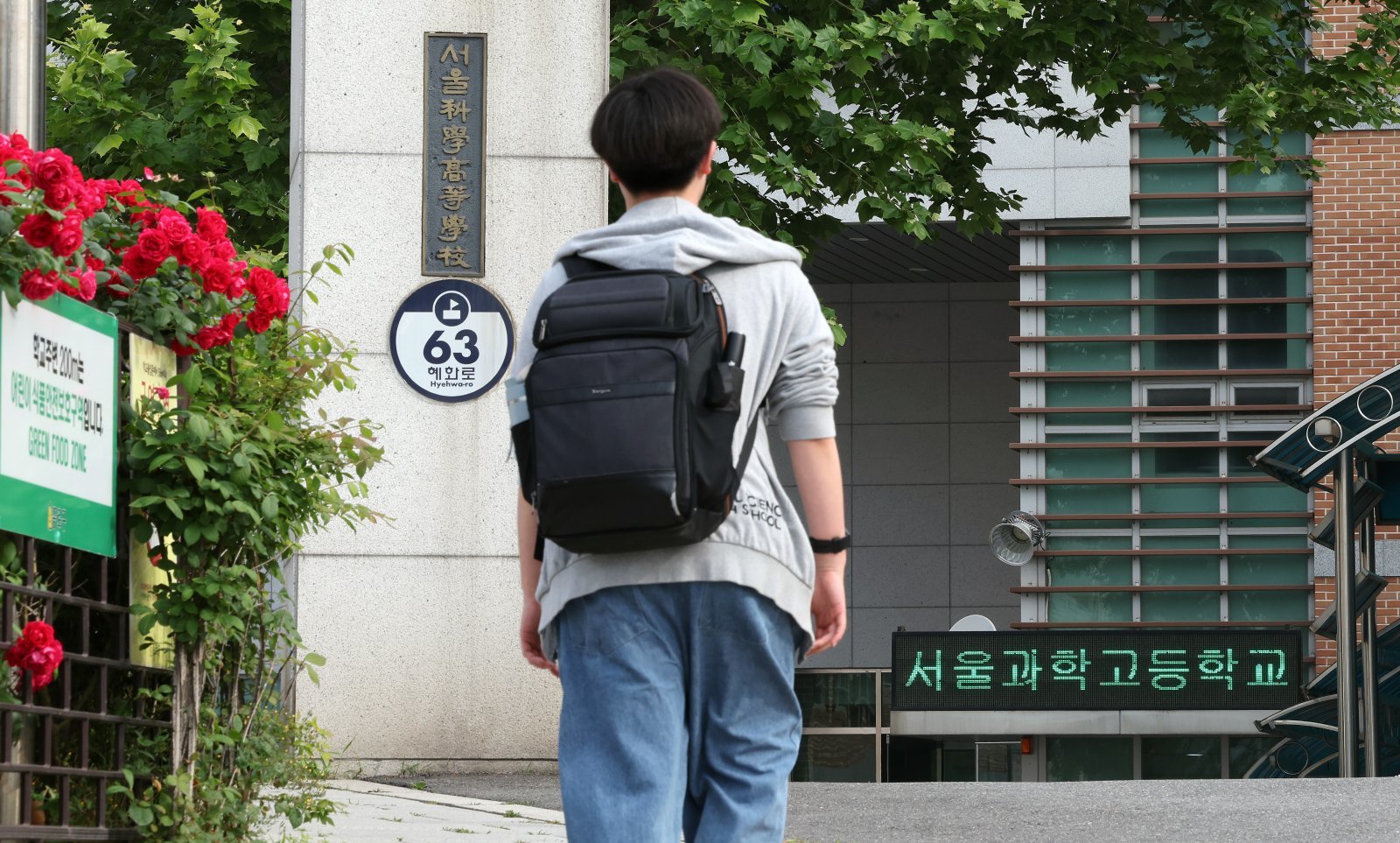
Gifted High School Admissions Begin Amidst AI and Semiconductor Boom
Translated from Korean, summarized and contextualized by DistantNews.
TLDR
- Applications for science-focused gifted high schools (Yeongjaego) begin May 6, with 789 students to be selected nationwide.
- While past interest waned due to penalties for medical school admission, a resurgence in AI and semiconductor fields may boost competition.
- The application process involves document review, a giftedness test, and a comprehensive assessment, with Seoul Science High School, Gyeonggi Science High School, and Korea Science Academy of KAIST admitting the most students.
The highly competitive entrance exams for South Korea's elite science high schools, known as Yeongjaego, are set to commence, marking the beginning of the application period for the 2027 academic year. These institutions, established under the Gifted Education Promotion Act, are dedicated to identifying and nurturing top-tier science and engineering talent, offering specialized curricula distinct from traditional high schools.
Historically, Yeongjaego experienced a decline in popularity as stricter regulations were imposed on graduates seeking admission to medical schools, including disadvantages in the admissions process and potential recovery of scholarships. However, the current surge in interest in artificial intelligence (AI) and the robust performance of the semiconductor industry are generating anticipation for a potential rebound in application rates. This shift reflects a growing demand for specialized talent in these cutting-edge fields, potentially drawing a new wave of gifted students.
The preference for contract departments at major universities, including Samsung Electronics and SK Hynix, is increasing recently.
The application process, typically spanning three stages, includes document evaluation, a giftedness test assessing creative problem-solving skills, and a comprehensive assessment often involving a science-themed camp. While the overall admission numbers remain consistent, with 789 spots available across eight schools, the distribution between national and regional selections varies. This year's admissions cycle is particularly noteworthy as it navigates the evolving landscape of higher education and industry demands, balancing the traditional focus on scientific aptitude with the burgeoning opportunities in AI and semiconductors.
There will be a considerable demand for gifted students with engineering inclinations who are not suited for medical school.
DistantNews Editorial
Originally published by Dong-A Ilbo in Korean. Translated, summarized, and contextualized by our editorial team with added local perspective. Read our editorial standards.
More Stories

From Our Blog

What Gets Lost (and Found) When News Is Translated

The Critical Role of Diaspora Media in Global News

What Travellers Should Know About Countries with Restricted Press

A Digital Nomad's Guide to Following Local News

How the Same Story Looks Different in Different Countries
