


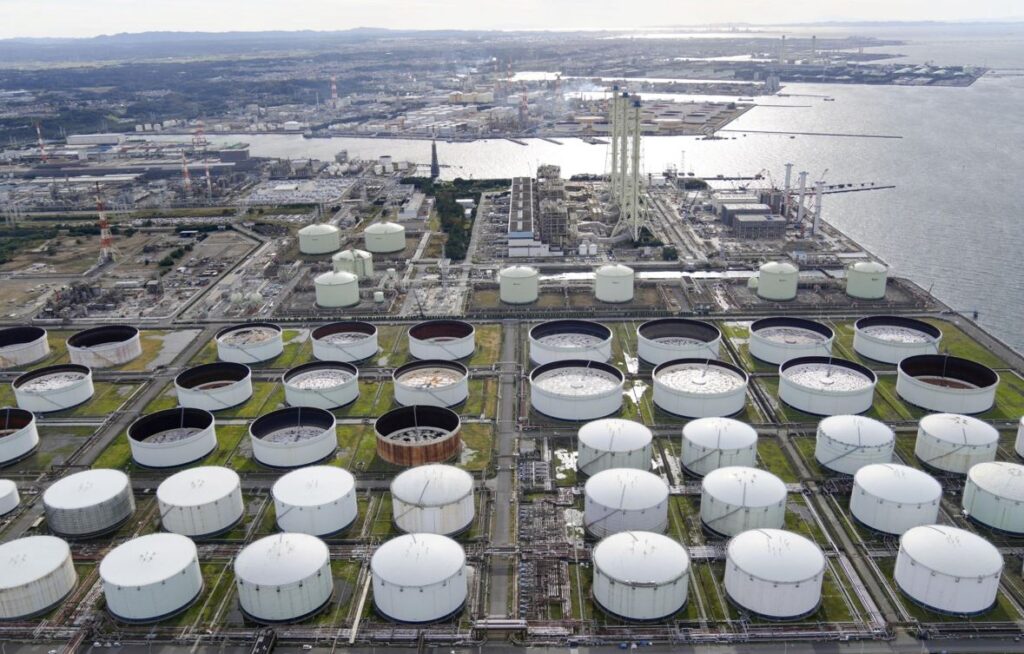
Global Energy Prices Set to Surge 24% This Year, World Bank Warns
Translated from Malay, summarized and contextualized by DistantNews.
TLDR
- Global energy prices are projected to surge by 24% this year, reaching their highest levels since the 2022 Russia-Ukraine conflict, according to a World Bank report.
- The increase is driven by tensions and conflict in West Asia, disrupting global commodity markets and specifically impacting the Strait of Hormuz, a critical oil transit route.
- The World Bank also forecasts a 16% rise in overall commodity prices, with significant increases expected in fertilizers and metals, further contributing to global inflation and potentially impacting food security.
Malaysia is bracing for a significant economic impact as global energy prices are forecasted to skyrocket by 24% this year, a level not seen since the height of the Russia-Ukraine conflict in 2022. This stark projection comes from a recent World Bank report, the Commodity Markets Outlook, which paints a concerning picture for the global economy.
Serangan terhadap infrastruktur tenaga serta gangguan di Selat Hormuz, laluan strategik yang mengendalikan sekitar 35 peratus perdagangan minyak mentah global melalui laut, telah mencetuskan antara kejutan bekalan minyak terbesar dalam sejarah moden, sekali gus menambah tekanan kepada pasaran tenaga dunia.
The primary driver behind this anticipated surge is the escalating geopolitical tensions and ongoing conflict in West Asia. These events have destabilized international commodity markets, with particular concern focused on the Strait of Hormuz. This vital waterway, responsible for transporting approximately 35% of the world's crude oil by sea, has experienced disruptions that the World Bank describes as among the most significant oil supply shocks in modern history.
Harga baja dijangka meningkat sebanyak 31 peratus pada 2026 didorong oleh lonjakan 60 peratus harga urea, manakala kemampuan untuk membeli baja dijangka merosot ke tahap terburuk sejak 2022, sekali gus mengancam pendapatan petani dan hasil tanaman masa depan.
Beyond energy, the World Bank anticipates a broader increase in commodity prices, with an overall rise of 16% expected for the year. This is fueled by sustained hikes in energy and fertilizer costs, alongside record-setting prices for several key metals. The report warns that these higher commodity prices will inevitably fuel inflation and dampen global economic growth. For developing nations, already burdened by debt, the consequences could be severe, potentially pushing millions more into acute food insecurity and exacerbating existing economic vulnerabilities. The report also highlights a projected 31% increase in fertilizer prices, threatening farmers' incomes and future crop yields.
Harga komoditi yang lebih tinggi akan meningkatkan inflasi dan melemahkan pertumbuhan ekonomi global.
DistantNews Editorial
Originally published by Utusan Malaysia in Malay. Translated, summarized, and contextualized by our editorial team with added local perspective. Read our editorial standards.
More Stories


From Our Blog

What Gets Lost (and Found) When News Is Translated

The Critical Role of Diaspora Media in Global News

What Travellers Should Know About Countries with Restricted Press

A Digital Nomad's Guide to Following Local News

How the Same Story Looks Different in Different Countries
