

Global Issues: Budget Adjustments for National Resilience
Translated from Malay, summarized and contextualized by DistantNews.
TLDR
- The Malaysian government is adjusting its budget due to global uncertainties, including supply chain crises and geopolitical tensions.
- This fiscal recalibration aims to strengthen national resilience by focusing spending on essential supplies, vulnerable groups, and maintaining fiscal capacity.
- The government urges an end to political politicking on the issue, emphasizing the need for prudent financial management and collective effort to navigate the crisis.
In a world grappling with unprecedented volatility, Malaysia's decision to undertake a budget recalibration is not merely an option, but a responsible necessity. The lingering global supply chain crisis, exacerbated by geopolitical tensions, demands a more prudent, disciplined, and forward-thinking approach. We can no longer afford to base our economic stability on short-term assumptions. Prolonged conflicts in various regions and policy uncertainties from global leaders are creating waves of instability that directly impact global energy prices, logistics costs, and food supplies.
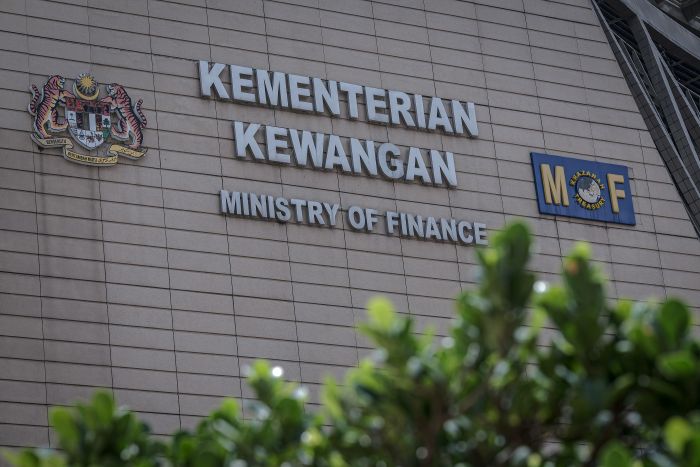
Against this backdrop, the Ministry of Finance's budget adjustment must be viewed as a strategic move to bolster national resilience. Spending must be prioritized on critical areas: ensuring the stability of essential goods, safeguarding vulnerable populations, and preserving the nation's fiscal capacity to respond effectively should the situation worsen. It is deeply regrettable that some quarters are attempting to politicize this issue. In these challenging times, narrow political games serve no one – neither the people nor the nation. We must cease unproductive polemics and focus entirely on wise and bold measures to manage this crisis effectively. The reality is, the government cannot continue to spend as if in normal times.
With monthly fuel subsidies alone reaching approximately RM7 billion, the sustainability of such expenditure is questionable, especially if this crisis persists, mirroring the Ukraine conflict now entering its third year. The critical question arises: can the nation bear this burden long-term without jeopardizing its financial standing and economic future? This underscores the importance of fiscal discipline in national financial management. Frugality does not mean neglecting the welfare of the people, but ensuring that every ringgit is spent with maximum impact. If savings are necessary, they must be implemented swiftly and decisively. This includes prioritizing expenditures with a high economic multiplier effect and strengthening critical sectors that underpin national supply stability.
Malaysians, by and large, understand this reality. We have weathered numerous crises before, from the Asian Financial Crisis to the global pandemic. In each instance, our strength lay in our ability to unite, adapt, and make difficult decisions for the long-term good. In this highly uncertain environment, we must also be grateful that Malaysia remains in a relatively stable condition. This stability is not accidental; it is the result of prudent economic management and consistent policies. Therefore, it is incumbent upon all of us to support these necessary adjustments, recognizing them as vital steps towards securing a more resilient and prosperous future for our nation. This is not just about numbers on a spreadsheet; it's about safeguarding our collective well-being.
DistantNews Editorial
Originally published by Utusan Malaysia in Malay. Translated, summarized, and contextualized by our editorial team with added local perspective. Read our editorial standards.
More Stories



From Our Blog

What Gets Lost (and Found) When News Is Translated

The Critical Role of Diaspora Media in Global News

What Travellers Should Know About Countries with Restricted Press

A Digital Nomad's Guide to Following Local News

How the Same Story Looks Different in Different Countries
