


Glucose Spikes: How to Avoid Them and Why They Affect Your Energy and Health
Translated from Spanish, summarized and contextualized by DistantNews.
TLDR
- Glucose spikes, caused by rapid increases and subsequent sharp drops in blood sugar, can lead to afternoon energy slumps and cravings.
- These spikes occur when the digestive system rapidly breaks down food into glucose, prompting a strong insulin response.
- Frequent glucose spikes, if left unaddressed, can contribute to chronic inflammation and potentially type 2 diabetes.
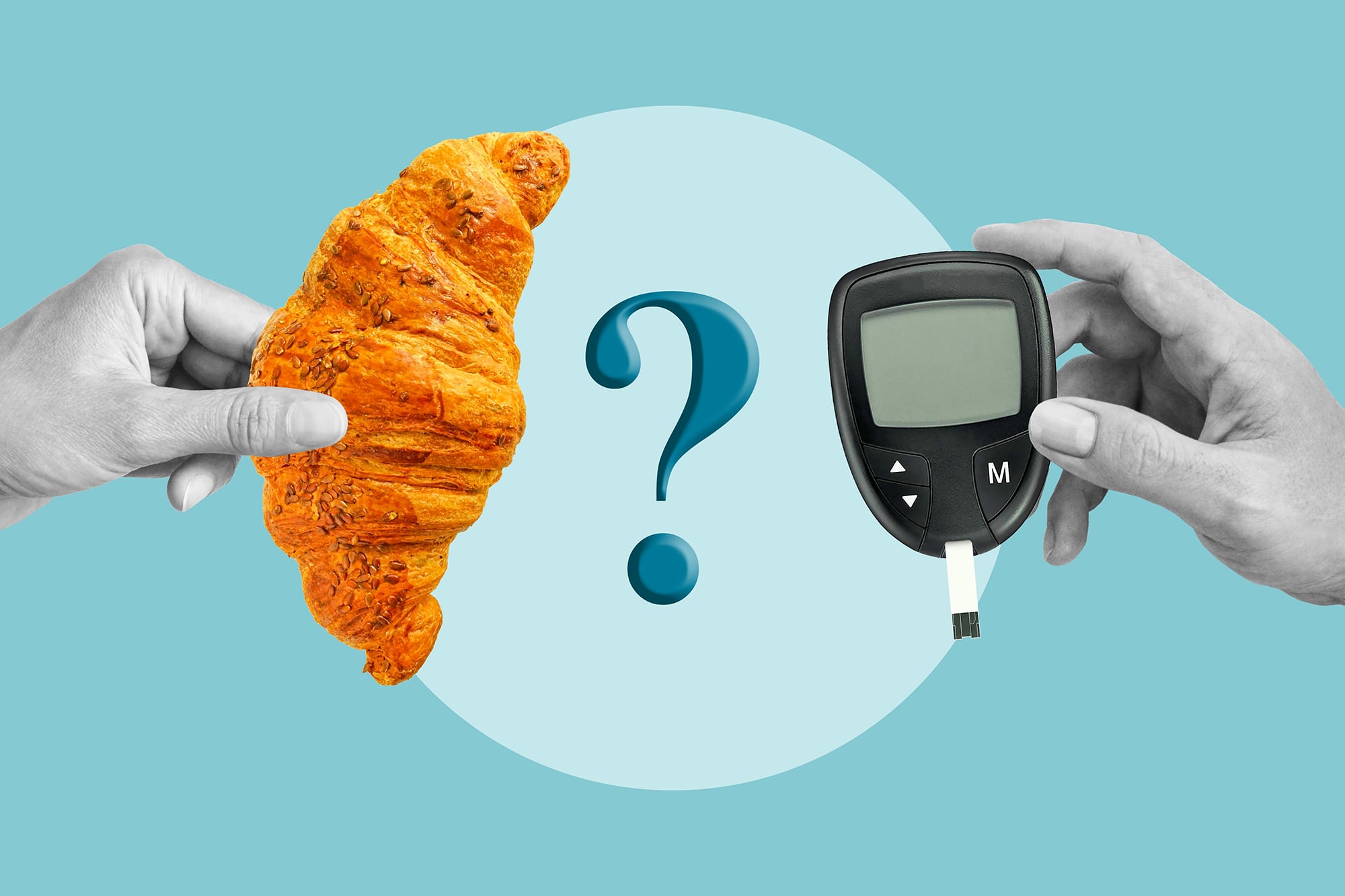
At La Nación, we understand that the afternoon slump—that feeling of concentration loss, heavy eyelids, and an insatiable craving for something sweet—is a common experience. However, we emphasize that 'frequent' does not equate to 'inevitable.' Behind this daily dip often lies a precise metabolic mechanism: a glucose spike followed by a sharp fall. When we eat, our body converts food into glucose, flooding the bloodstream. The pancreas releases insulin to help cells absorb this glucose for energy. Normally, this process is gradual. But when glucose enters the bloodstream too quickly and in excessive amounts, the pancreas overreacts, leading to a rapid drop in blood sugar. This oscillation, a quick rise followed by a steep fall, is what we call a glucose spike. Nutritionist Linda Jungwirth explains that these spikes disrupt our body's balance, triggering an inflammatory process that, if repeated, can lead to chronic inflammation and, long-term, conditions like type 2 diabetes. While this topic was once confined to endocrinologists, the increased use of continuous glucose monitors has brought it to the forefront for many. We believe it's crucial for our readers to understand how lifestyle choices directly impact blood sugar levels, influencing everything from mental clarity to energy and mood. Recognizing and managing these glucose spikes is key to maintaining overall health and well-being.
Glucose spikes unbalance our organism. When that happens, an inflammatory process is automatically activated which, if repeated frequently, can lead to chronic inflammation and, in the long term, to conditions like type 2 diabetes.
DistantNews Editorial
Originally published by La Nación in Spanish. Translated, summarized, and contextualized by our editorial team with added local perspective. Read our editorial standards.
More Stories



From Our Blog

What Gets Lost (and Found) When News Is Translated

The Critical Role of Diaspora Media in Global News

What Travellers Should Know About Countries with Restricted Press

A Digital Nomad's Guide to Following Local News

How the Same Story Looks Different in Different Countries
