


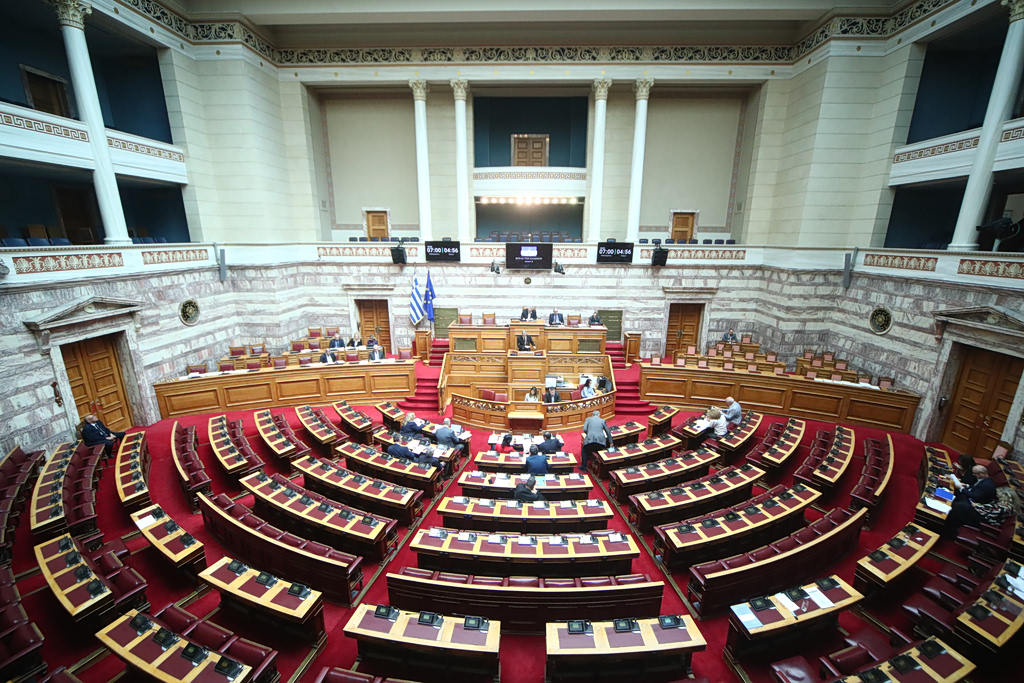
Greece: Wiretapping Scandal Dominates Parliament Debate on Rule of Law
Translated from Greek, summarized and contextualized by DistantNews.
TLDR
- Greek lawmakers debated the rule of law amid a widening wiretapping scandal.
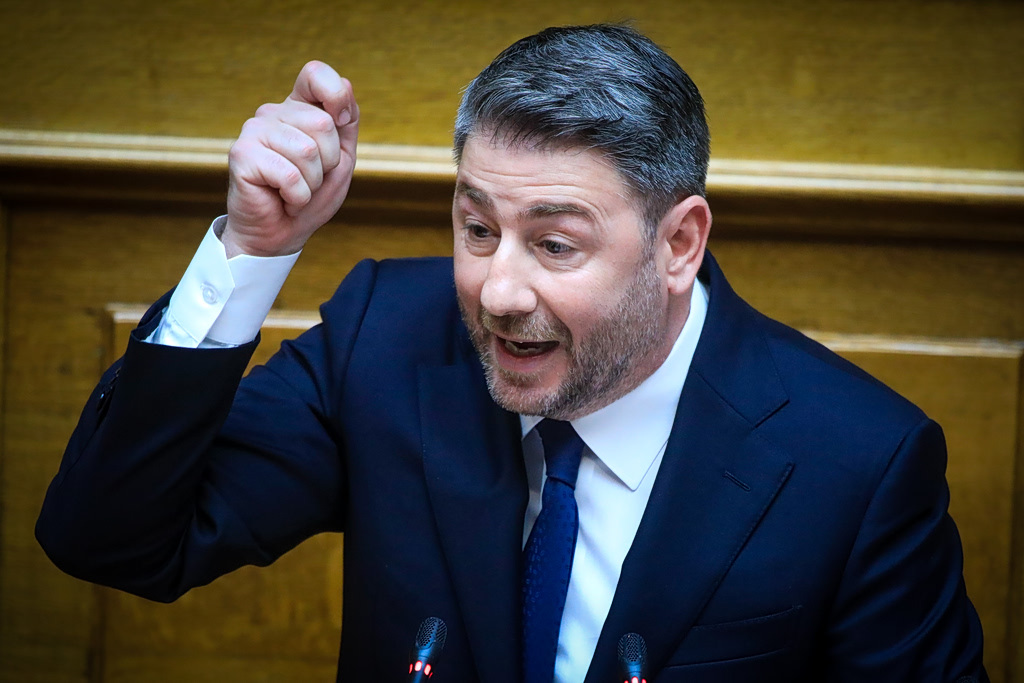
- Opposition leader Nikos Androulakis accused Prime Minister Kyriakos Mitsotakis of manipulating institutions and demanded early elections.
- The government aimed to focus on institutional changes and reforms, while internal party issues also surfaced.
The Greek Parliament convened for a critical session on the rule of law, with the pervasive wiretapping scandal dominating the political discourse. Prime Minister Kyriakos Mitsotakis and opposition leader Nikos Androulakis approached the debate with starkly different agendas. Mitsotakis sought to steer the conversation toward institutional reforms and European economic indicators, aiming to project an image of stability and progress. However, his government faces internal dissent and scrutiny over its handling of various dossiers, including those related to the agricultural payments organization, OPЕКЕП.
The wiretapping scandal has entered the central frame of the confrontation between the government and the opposition.
Conversely, Androulakis, representing PASOK, launched a scathing attack on the New Democracy government, characterizing it as a system that "manipulates institutions, uses the state and public money as spoils, and subverts transparency and good legislation." Following recent statements by Tal Dilian, linked to the illegal wiretapping operation and the Predator spyware, Androulakis labeled Mitsotakis an "extorted prime minister" and called for immediate elections. This strong stance, however, did not translate into a formal no-confidence motion, as PASOK aims to avoid unifying the ruling party. This strategic decision highlights a divergence from other progressive opposition parties like SYRIZA and New Left, who, despite lacking the necessary signatures for a no-confidence vote, signaled their intent to raise the issue.
He seeks answers for the wiretapping scandal, considering the prime minister himself morally responsible.
Despite the heavy political atmosphere, a gesture of political courtesy from Androulakis towards a government official facing a health crisis was noted. His call to the Speaker of Parliament to consider postponing the session due to the critical condition of Deputy Minister Giorgos Mylonakis was conveyed to the Prime Minister's office, indicating a sliver of civility amidst the intense political battles. This incident, while minor, underscored the complex dynamics at play, where political maneuvering intersects with personal circumstances, a common theme in Greek politics.
The government of New Democracy and the prime minister's office as a system that manipulates institutions, uses the state and public money as spoils, and subverts transparency and good legislation.
DistantNews Editorial
Originally published by Ta Nea in Greek. Translated, summarized, and contextualized by our editorial team with added local perspective. Read our editorial standards.
More Stories


From Our Blog

What Gets Lost (and Found) When News Is Translated

The Critical Role of Diaspora Media in Global News

What Travellers Should Know About Countries with Restricted Press

A Digital Nomad's Guide to Following Local News

How the Same Story Looks Different in Different Countries
