


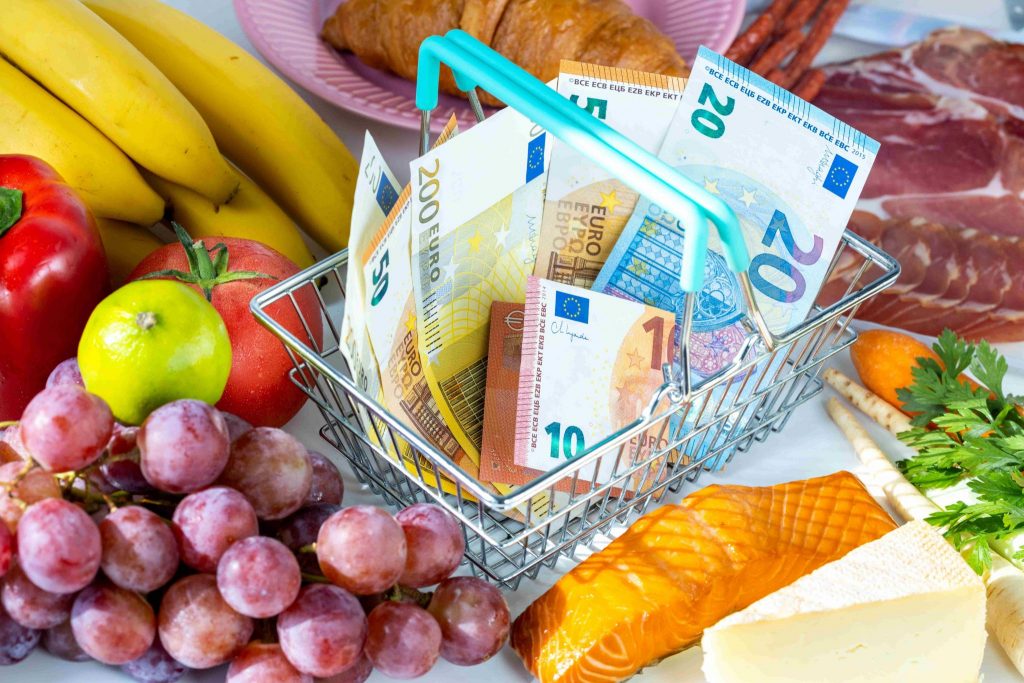
Greek inflation surges to 3.9% in March, driven by food and energy costs
Translated from Greek, summarized and contextualized by DistantNews.
TLDR
- Inflation in Greece accelerated to 3.9% in March, up from 2.7% in February and 2.4% in March of the previous year.
- The primary drivers of this increase were food and non-alcoholic beverages, housing costs, and transportation expenses, largely due to energy prices.
- Significant price hikes were recorded across various categories, including beef, lamb, poultry, fruits, vegetables, and energy products like heating oil and gasoline.
Greece's inflation rate surged significantly in March, reaching 3.9%, a marked increase from the previous month and a notable jump compared to the same period last year. This acceleration, detailed by the Hellenic Statistical Authority (ELSTAT), paints a concerning picture for consumers already grappling with rising costs.
The primary culprits behind this inflationary pressure are clear: the escalating costs of essential goods like food and beverages, coupled with increased expenses for housing and transportation. The energy sector, in particular, continues to exert a substantial influence, with prices for heating oil and gasoline showing steep increases.
Consumers are feeling the pinch across a wide array of products. From staples like bread and beef to seasonal items like fruits and vegetables, price increases are widespread. Even non-essential items such as chocolate and coffee have seen significant markups. This broad-based inflation erodes purchasing power and impacts household budgets across the country.
As a Greek publication, we view this data with considerable concern. While global factors contribute, the impact on everyday Greeks is profound. The rising cost of living, particularly for food and energy, is a critical issue that demands attention. This isn't just an economic statistic; it's a daily struggle for many families, highlighting the need for effective measures to stabilize prices and support households.
DistantNews Editorial
Originally published by Ta Nea in Greek. Translated, summarized, and contextualized by our editorial team with added local perspective. Read our editorial standards.
More Stories



From Our Blog

What Gets Lost (and Found) When News Is Translated

The Critical Role of Diaspora Media in Global News

What Travellers Should Know About Countries with Restricted Press

A Digital Nomad's Guide to Following Local News

How the Same Story Looks Different in Different Countries
