


Hajj is a spiritual duty, not tourism: Aim for an accepted pilgrimage
Translated from Malay, summarized and contextualized by DistantNews.
TLDR
- Muslims undertaking the Hajj pilgrimage are reminded that it is a sacred duty, not a tourist trip, emphasizing the pursuit of a 'mabrur' (accepted) Hajj.
- The article quotes Maulana Wan Adli Wan Mohammed, who stresses the importance of sincere intention and adherence to religious rites over mere sightseeing.
- Hajj fosters a sense of equality among Muslims worldwide, transcending differences in wealth, race, and nationality as they gather for worship.
As the Hajj season commences, Utusan Malaysia underscores the profound spiritual significance of this once-in-a-lifetime pilgrimage for Muslims. The publication emphasizes that Hajj is far more than a mere journey; it is a sacred obligation, the fifth pillar of Islam, and an opportunity to achieve a 'Hajj mabrur' – an accepted and spiritually rewarding pilgrimage. This perspective is crucial for pilgrims, especially those who have saved for years or utilized government-sanctioned packages, to approach the journey with the utmost sincerity and devotion.
And complete the Hajj and Umrah for Allah.
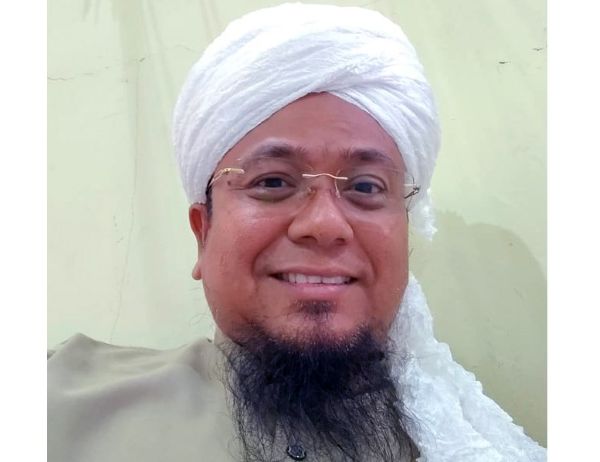
Maulana Wan Adli Wan Mohammed, Principal of Madrasah Assyarif Bukit Rang, is featured prominently, offering guidance to prospective pilgrims. He sternly advises against viewing the Hajj as a tourist excursion, cautioning against a casual approach driven solely by financial means or a desire to fulfill a 'dream' without the proper spiritual intent. Citing Quranic verses and Hadith, Maulana Wan Adli reinforces that the reward for a Hajj mabrur is nothing less than Paradise, highlighting the immense spiritual stakes involved. Utusan Malaysia, aligning with a conservative Islamic viewpoint, amplifies this message to ensure pilgrims remain focused on the devotional aspects of their journey.
There is no reward for a Hajj mabrur except Paradise.
The article also touches upon the unique unifying power of Hajj. Maulana Wan Adli explains how the pilgrimage creates a powerful sense of equality and brotherhood among Muslims from all walks of life. Regardless of their background – rich or poor, different races, or nationalities – pilgrims don the same simple ihram attire, share a common faith, and perform the same rituals, all in devotion to Allah. This shared experience, Utusan Malaysia suggests, is a beautiful manifestation of Islamic unity that transcends worldly distinctions.
During the holy land, there is no distinction between the rich and the poor, the white and the black, and various races from all over the world with one intention and goal, which is to perform the Hajj.
From the perspective of Utusan Malaysia, a publication often reflecting traditional Malay-Muslim values, this emphasis on spiritual intention and the communal aspect of Hajj is paramount. The message is clear: the Hajj is a deeply spiritual undertaking that requires focus, humility, and a sincere desire for divine acceptance. The publication aims to guide its readers towards a more meaningful and spiritually fulfilling pilgrimage, reinforcing the core tenets of the faith.
The presence of pilgrims from all corners of the world is accompanied by pure and sincere intentions to worship, asking for their deeds to be accepted and for forgiveness of all sins from Allah SWT.
DistantNews Editorial
Originally published by Utusan Malaysia in Malay. Translated, summarized, and contextualized by our editorial team with added local perspective. Read our editorial standards.
More Stories


From Our Blog

What Gets Lost (and Found) When News Is Translated

The Critical Role of Diaspora Media in Global News

What Travellers Should Know About Countries with Restricted Press

A Digital Nomad's Guide to Following Local News

How the Same Story Looks Different in Different Countries
