



Handicrafts: I Practice Friction-Maxxing, and I Often Want to Set Myself on Fire
Translated from Finnish, summarized and contextualized by DistantNews.
TLDR
- The author, Anu-Elina Lehti, describes becoming intentionally slow in the age of artificial intelligence and rapid technological advancement.
- She contrasts her deliberate pace with others who are "prompting their fingers bloody" to optimize everything.
- Lehti finds value in slow, physical crafts like weaving, despite the frustrations and difficulties involved, as a form of resistance to the relentless speed of the modern world.
In an era defined by the lightning pace of artificial intelligence and the constant drive for optimization, Helsingin Sanomat contributor Anu-Elina Lehti offers a counter-narrative: the embrace of slowness. Her column reflects a growing sentiment among some in Finland, and indeed globally, that the relentless pursuit of speed is not only exhausting but potentially detrimental to genuine human experience and craft.
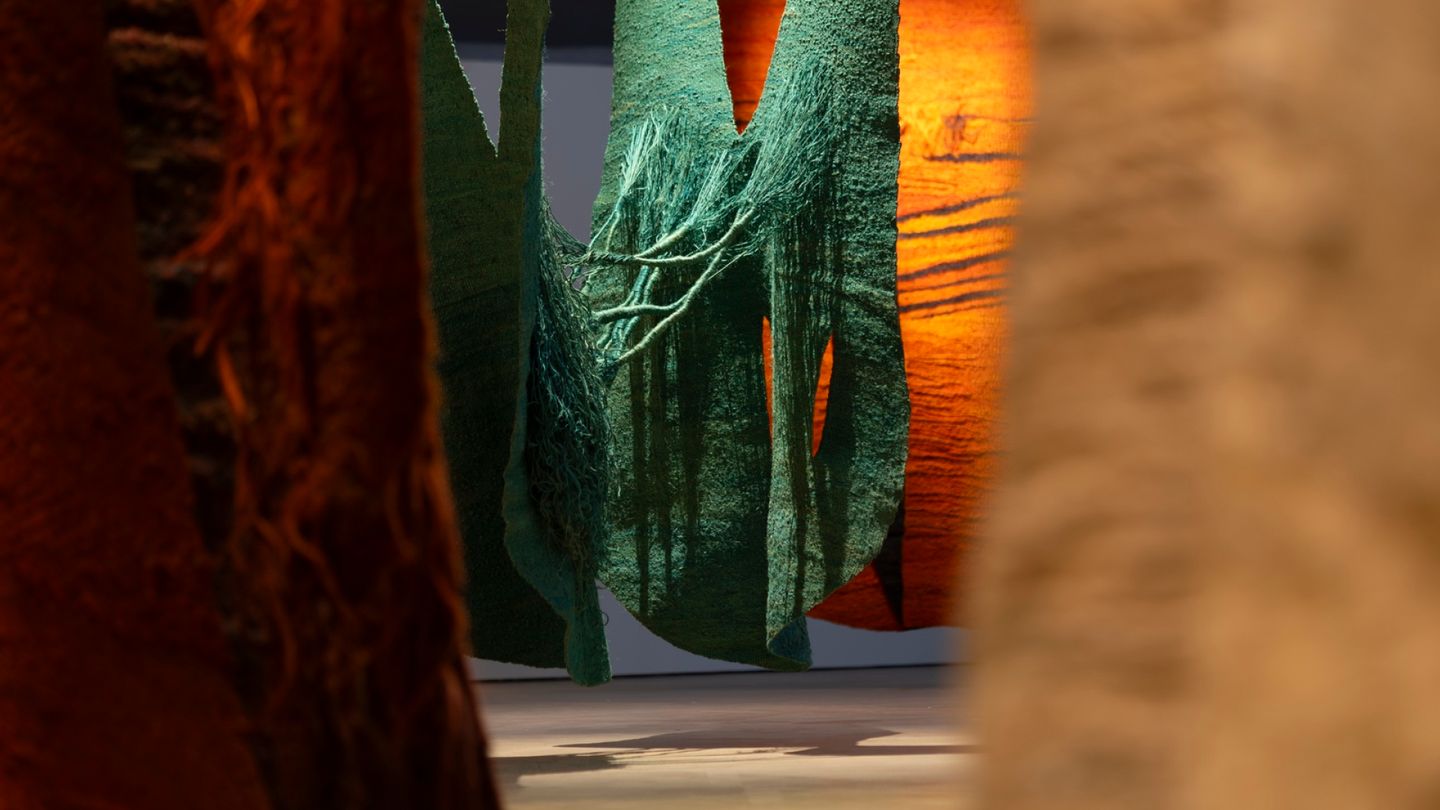
Lehti contrasts her own deliberate approach—taking the metro to a silk weaving studio—with the frenetic energy of those "prompting their fingers bloody" to maximize efficiency. This isn't just about personal preference; it's a conscious choice to resist the prevailing culture of instant gratification and hyper-optimization. The act of weaving, she admits, is inherently "pointless, physical, and difficult." Threads break, mistakes are made, and the frustration can be immense, even leading to thoughts of destruction, as she humorously (and perhaps a little darkly) recounts wanting to "burn the loom, then myself" after a difficult Easter.
Yet, it is precisely within these struggles that Lehti finds meaning. The physical engagement with the material, the tangible process of creation, and the acceptance of imperfection stand in stark contrast to the abstract, often ephemeral nature of digital interactions. This perspective resonates in a society like Finland, which values craftsmanship, thoughtful design, and a connection to nature and tangible skills, even as it leads in technological innovation.
Lehti's column is a quiet rebellion. It suggests that true progress might not always be measured in speed or efficiency, but in the depth of engagement and the resilience developed through overcoming tangible challenges. In a world rushing headlong into the future, her deliberate slowness is a radical act, a reminder that some of the most rewarding human endeavors require patience, persistence, and a willingness to get one's hands dirty.
DistantNews Editorial
Originally published by Helsingin Sanomat in Finnish. Translated, summarized, and contextualized by our editorial team with added local perspective. Read our editorial standards.
More Stories

From Our Blog

What Gets Lost (and Found) When News Is Translated

The Critical Role of Diaspora Media in Global News

What Travellers Should Know About Countries with Restricted Press

A Digital Nomad's Guide to Following Local News

How the Same Story Looks Different in Different Countries
