


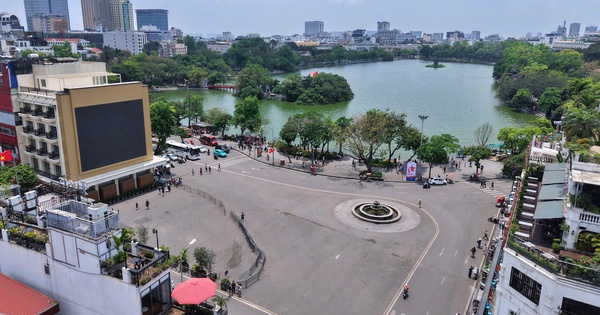
Hanoi Bans Gasoline Cars: 13 Suitable Locations Identified for Charging Stations
Translated from Vietnamese, summarized and contextualized by DistantNews.
TLDR
- Hanoi plans to implement a low-emission zone in the Hoan Kiem district starting July 1, restricting gasoline-powered vehicles.
- The pilot program will initially focus on the core and buffer zones, with specific time-based restrictions for motorcycles and cars.
- The city is also preparing infrastructure, including charging stations and battery swap points, to support the transition to cleaner transportation.
Hanoi is taking a bold step towards a greener future by proposing a low-emission zone in its historic Hoan Kiem district. Thanh Niên reports that the city's leadership is committed to tackling air pollution and traffic congestion through a phased approach, beginning with significant restrictions on gasoline-powered vehicles in the heart of the capital.
The plan, set to be presented to the City Council, outlines a detailed strategy for the initial six months. This includes outright bans on gasoline-powered motorcycles and ride-sharing services during certain hours within the core zone, and stricter emission standards for cars. The phased implementation, starting with a pilot in the Hoan Kiem district, demonstrates a cautious yet determined approach to managing the transition. The article highlights the city's proactive stance in encouraging residents to register their transition plans, signaling a collaborative effort between the government and the public.
What makes this initiative particularly noteworthy from a Vietnamese perspective is its ambition to integrate environmental sustainability with urban development in a densely populated and historically significant area. While Western cities have often implemented similar measures, Hanoi's approach is unique in its focus on motorcycles, which are the dominant mode of transport. The article also details the significant infrastructure development planned, including over 200 potential locations for parking, transfer points, battery swap stations, and electric car charging stations. This comprehensive planning underscores Vietnam's commitment to adopting cleaner technologies and improving the quality of life for its citizens, even as it navigates the complexities of rapid urbanization.
DistantNews Editorial
Originally published by Thanh Niên in Vietnamese. Translated, summarized, and contextualized by our editorial team with added local perspective. Read our editorial standards.
More Stories

From Our Blog

What Gets Lost (and Found) When News Is Translated

The Critical Role of Diaspora Media in Global News

What Travellers Should Know About Countries with Restricted Press

A Digital Nomad's Guide to Following Local News

How the Same Story Looks Different in Different Countries
